All bites
The whole library, newest first. Filter by what you are here for, or pick a topic if you already know.
8667 bites
Page 375

CSS Positioning: Taking Elements Out of Normal Flow
CSS position lets you override the default document flow. Think of it as telling an element to ignore its neighbors and listen to top/left coordinates instead. Use it for overlays, modals, and sticky headers.
CSS Pseudo-classes: Style Elements Based on State
CSS pseudo-classes style elements based on their state, not just their HTML structure. Use them for interactive states like :hover, form validation like :invalid, or structural position like :first-child.
CSS box-sizing: Predictable Element Sizing
The box-sizing property controls if padding and borders are added outside an element's width or carved out from inside. Using border-box makes layouts predictable, ensuring a width: 100px box is exactly 100px wide.
CSS 'display': How Elements Occupy Space
The CSS display property defines an element's layout role: does it demand its own line (block) or share space (inline)? It's essential for everything from text flow to complex layouts with flex and grid.
CSS Selectors: How to Target HTML for Styling
CSS selectors are like addresses for your HTML, telling the browser which elements to style. They're used to apply everything from colors to layouts. The main footgun is specificity: an overly specific selector can be difficult to override later.
CSS Inheritance: Styles Flow Downhill
CSS inheritance is like genetics for web elements: children inherit styles like color and font-family from their parents. This is why setting a font on <body> styles a whole page.
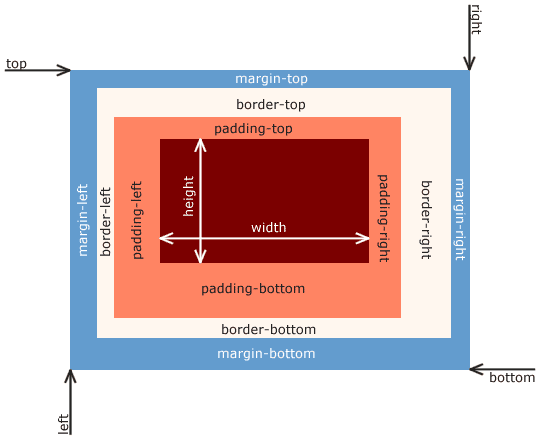
CSS Box Model: Every Element is a Box
Every HTML element is a box with layers: content, padding, border, and margin. This model dictates how elements take up space and align, forming the basis of all CSS layout. The footgun is the default sizing, which adds padding *outside* the set width.
CSS Specificity: The Browser's Tie-Breaking Rule
CSS Specificity is the browser's tie-breaking system for conflicting styles. Think of it as a score: an ID is worth more than any number of classes, and a class is worth more than any number of elements. The footgun: using !important to win.
CSS Cascade: How Browsers Resolve Style Conflicts
The CSS Cascade is a tie-breaking algorithm that decides which style rule applies when multiple rules target the same element. It resolves conflicts between browser defaults, user styles, and your CSS.

GDPR: Marketing is More Than Just Selling
Under GDPR, direct marketing isn't just selling products; it's promoting your 'aims and ideals.' This applies to email newsletters and targeted ads. The biggest footgun is assuming non-profits are exempt—they aren't, and users have an absolute right to opt…

Retargeting Copywriting: Guide, Don't Stalk
Retargeting copy shouldn't remind users you're tracking them. Instead, it should feel like the next logical step in their journey, like offering an e-book to a blog reader. The biggest footgun is being explicit, which feels creepy and breaks trust.

Dialogue Pacing: Controlling a Scene's Rhythm
Dialogue pacing is about controlling a scene's emotional rhythm, not just making it fast. Use short, clipped lines for urgency and longer sentences with pauses for reflection.

Onboarding Copy: Guide Users, Don't Just Describe
Onboarding copy guides users to value, making products easy to learn. It appears in tooltips, welcome emails, and walkthroughs. Since decisions are mostly emotional, bland, unemotional text is a footgun that makes it mentally harder for users to commit.

The Slippery Slide: Writing Copy Readers Can't Stop Reading
The Slippery Slide treats your copy like a playground slide: the only goal of the first sentence is to get the reader to the second, and so on, until the call to action. It's used in ads to guide users from headline to purchase.
Active vs. Passive Voice: Who Did What?
Active voice puts the actor first ("The engineer deployed the code"). Use it in docs and commits for clarity. The footgun is overusing passive voice, which makes writing wordy and hides who is responsible for an action, creating ambiguity.
Scope Creep: When 'Just One More Thing' Derails a Project
Scope creep is the slow, uncontrolled addition of work after a project starts. It happens when requirements aren't locked down, causing budget and schedule overruns. The footgun is thinking it can be eliminated; the real skill is managing it, not ignoring it.
Crafting a Winning Freelance Pitch
A great pitch answers "someone is doing something for a compelling reason." This formula ensures your story has stakes and action, whether you're pitching an article to a journalist or your services to a marketing manager.

FTC Endorsement Guides: Disclose Your Connections
The FTC requires you to disclose any material connection to a brand you endorse. If you got paid, received free products, or work there, your audience must know. This applies to social media posts, affiliate links, and reviews.
Dwell Time: The Metric for Post-Click Satisfaction
Dwell time is a search engine's proxy for content quality, measuring how long you stay on a page after clicking. It's a key ranking signal for Google and a recommendation driver for YouTube.
Marketing Attribution: Who Gets Credit for a Sale?
Marketing attribution decides which ad or email gets credit for a sale. It helps justify marketing spend by showing which channels work, preventing the common mistake of giving 100% credit to the final click and ignoring what built initial interest.