A manager wants to attend your team's Sprint Retrospective. What's the risk?
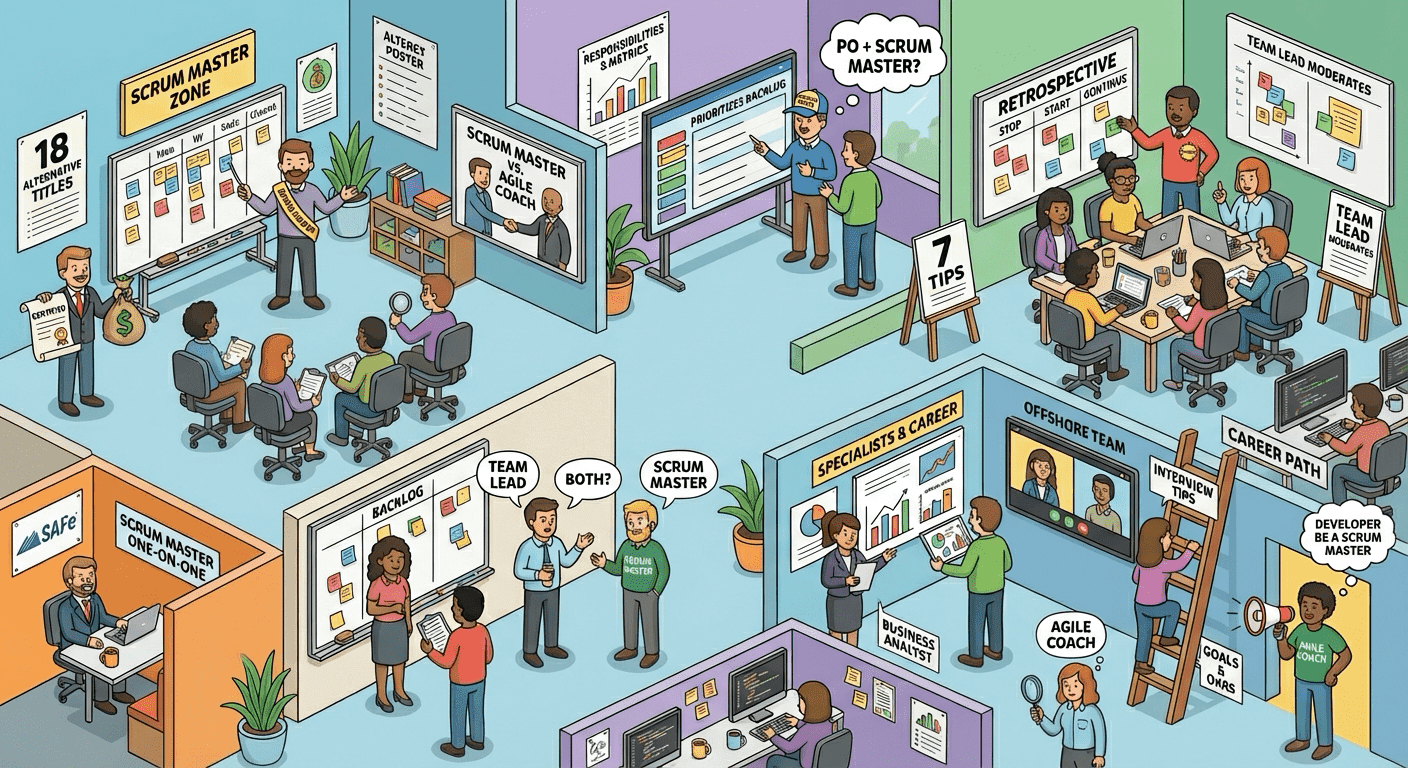
Tests your grasp of psychological safety in Agile and stakeholder management. A great answer identifies the risk of chilled feedback, diagnoses the manager's underlying need, and proposes an alternative forum.
What's really being asked
This question tests your ability to protect your team's psychological safety, a critical foundation for high-performing teams. The interviewer wants to see if you can diagnose the root cause of a stakeholder request (the manager's need to be informed) and propose a solution that respects their intent while protecting the team's process. It's a classic test of stakeholder management within an Agile framework.
The full answer
A strong answer addresses three points in order. First, explicitly state the primary risk: The manager's presence, regardless of intent, will likely chill open and honest feedback. Team members may fear their contributions being misinterpreted or used against them, destroying psychological safety. Second, instead of a flat 'no', propose to meet with the manager to understand their goal. Why do they want to attend? What information are they seeking? This shows you're a collaborative problem-solver, not a rigid rule-follower. Third, suggest alternatives based on their need. The classic answer is to propose a different forum. Other options include providing anonymized retro summaries, inviting them to a specific part of the retro to discuss a known impediment they can help with, or running a one-time experiment with them as a silent observer, with clear expectations set beforehand.
The mistakes people make
The biggest red flag is being dogmatic. Saying "Scrum says managers aren't allowed" without further discussion shows rigidity and poor stakeholder management skills. Another common mistake is immediately caving and letting the manager attend without any safeguards. This signals a failure to protect the team and a misunderstanding of a retrospective's purpose. Finally, weak answers focus only on the problem ("it's bad for the team") without proposing concrete, constructive solutions.
What usually comes next
Be ready for follow-ups like, "What if the manager insists, saying it's a matter of trust?" or "How would you measure the impact of their presence if you did run it as an experiment?" They might also ask, "What kind of information is appropriate to share with the manager from a retrospective?"
A concrete example
"In a previous role, a director wanted to understand our team's velocity dips. Instead of having them join the retro where we'd discuss interpersonal issues, I scheduled a 30-minute 'sprint review debrief' with them and the tech lead. We presented the key impediments identified in the retro that were blocking us, like cross-team dependency delays, and framed them as problems they could help us solve. The director got the information they needed to unblock us, and the team's retro remained a safe space for candid feedback."
Interview question
What is the primary concern when a manager requests to attend a team's Sprint Retrospective?
- a.Scrum guidelines strictly prohibit managers from attending, so the request should be denied based on framework rules.
- b.The manager's presence will likely inhibit open and honest feedback, so understand their goal and propose alternative ways to share information.Correct
- c.Their attendance is crucial for transparency and trust, so they should be allowed to observe silently without intervention.
- d.The team might feel micromanaged, so the manager should submit their questions beforehand for the team to address.
Why? this is the answer
The card emphasizes that a manager's presence, regardless of intent, will likely chill open and honest feedback, destroying psychological safety. The recommended approach is to understand their underlying need and propose alternative forums or information-sharing methods. Option A is considered dogmatic and poor stakeholder management, while Option C is a common mistake that fails to protect the team's psychological safety.
Just read this? Test yourself on what you have been reading.
Read the original → echometerapp.com
- #agile
- #scrum
- #stakeholder management
- #psychological safety
You just looked this up. Could you explain it out loud?
That is the part interviews actually test. Tezvyn takes questions like this one and gives you what the interviewer is really checking, the answer that lands, and the mistake that ends the conversation, in the four minutes before your next meeting.
The iPhone app is on the way
We are building it. Until it lands, nothing here is held back from you: every interview card, your saved cards, streaks and the job board all work in Safari, plus hundreds of free practice quizzes of thirty questions each. Sign in and it all carries over to the app the day it arrives.
Want it as an icon? Tap Share at the bottom of Safari, then Add to Home Screen. It opens full screen and the cards you have read stay available offline.
We are hiring for this. Open roles that interview on agile — each one lists the topics its interview covers.
See open roles