Describe a time you influenced the roadmap via a technical opportunity
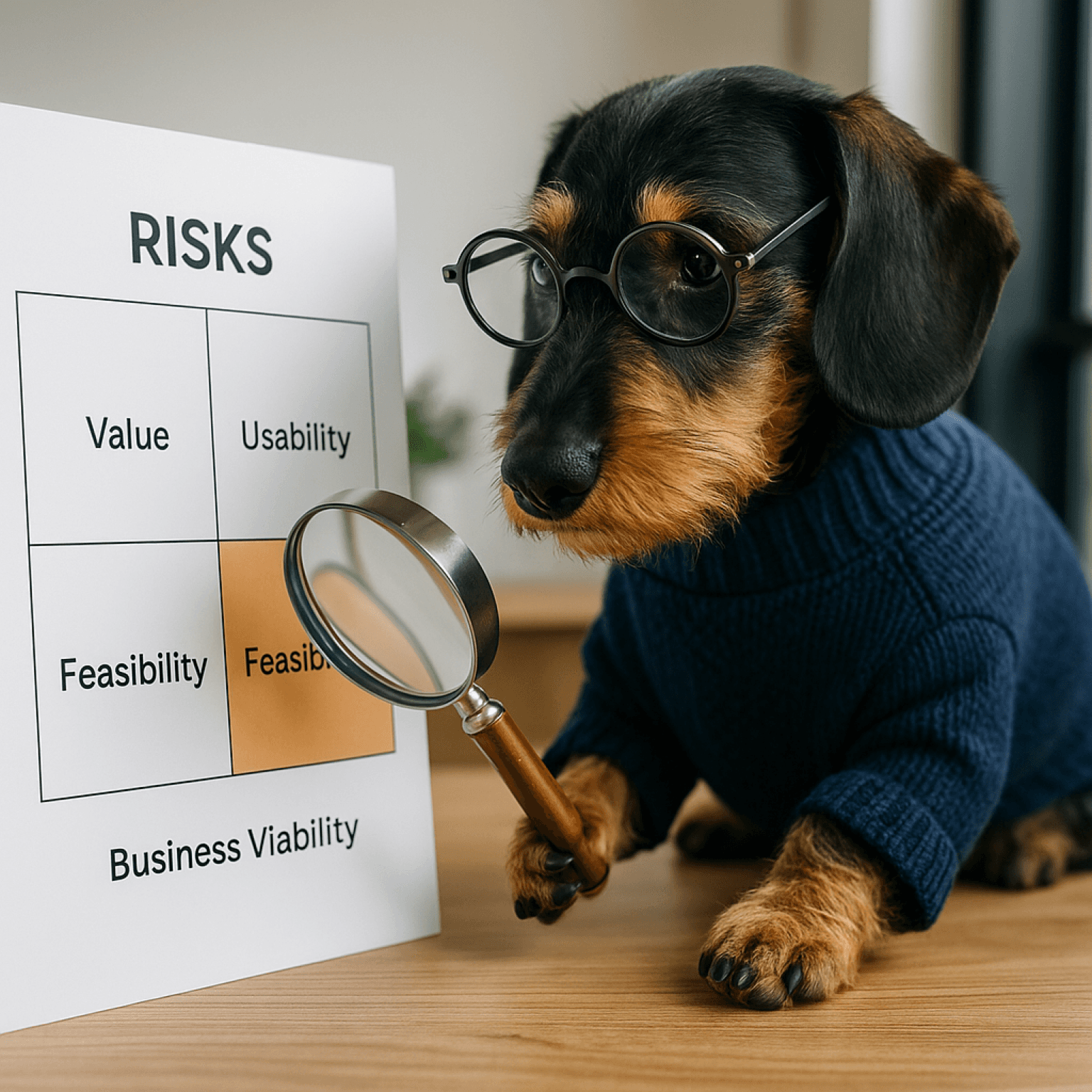
This tests converting technical insights into business cases that shift roadmaps. A strong answer names the SVPG risk, quantifies value for leadership, identifies who was persuaded, and cites discovery artifacts.
What's really being asked
The interviewer wants to see if you can translate a technical insight into a business case and drive cross-functional alignment. Senior engineers are expected to own roadmap influence, not just execute tickets. Specifically they are checking whether you can identify a technical opportunity, often feasibility or platform work, reframe it as business value such as cost reduction or risk mitigation, persuade non-technical stakeholders, and validate through disciplined discovery rather than gut feel. This maps directly to Marty Cagan's Four Product Risks: Value, Usability, Feasibility, and Business Viability. A strong candidate shows they know which risk their proposal addresses and how discovery artifacts de-risk the commitment before engineering starts.
The full answer
A great story follows this arc in order. First, the technical opportunity and the specific risk it addressed, such as a feasibility bottleneck or compounding technical debt that threatened velocity. Second, the business frame, translating engineering metrics into dollars, time, or competitive positioning that finance and product leadership understand. Third, the coalition you built, naming the specific personas like the product manager, engineering manager, or executive sponsor and how you adapted the pitch for each audience. Fourth, the validation process, describing discovery artifacts like a technical spike, benchmark report, or prototype that proved feasibility or value before roadmap commitment. Fifth, the outcome in roadmap terms, whether it became an OKR, received dedicated funding, or shifted quarterly priorities.
The mistakes people make
Red flags include framing the win as simply convincing people because you were right, which signals ego over evidence. Skipping business translation and staying in technical jargon like faster queries or cleaner architecture without tying to revenue or risk. Presenting validation as already complete before socialization, which ignores the political reality of roadmap decisions. Failing to name who you actually convinced, suggesting you bypassed stakeholders rather than aligned them. Another anti-pattern is retroactively justifying a project that was already approved instead of describing active influence.
What usually comes next
Interviewers often dig deeper with these questions. How did you handle pushback from product when they had committed features already planned. What would you have done if the technical spike had disproved your hypothesis. How did you quantify business value when hard revenue data was not available. Can you describe a time this same approach failed and what you changed.
A concrete example
Imagine you identified that your checkout service had a single point of failure causing two hours of downtime quarterly. Instead of filing a reliability ticket, you partnered with a product manager to model the revenue at risk during peak hours, framed the fix as a Business Viability risk per SVPG tagging because legal and finance were worried about SLA penalties, and ran a two-week feasibility spike proving the refactor could happen without freezing feature work. You presented the spike data to the VP of Engineering and Head of Product, secured a dedicated OKR for resilience, and moved the initiative from backlog to the committed roadmap before the next planning cycle.
Interview question
When pitching technical debt remediation to leadership, which approach best demonstrates senior-level roadmap influence?
- a.Quantifying the impact in dollars or time saved and naming the specific stakeholders persuadedCorrect
- b.Framing the win around cleaner architecture that improves developer velocity and system health
- c.Presenting a completed technical spike and benchmark report before socializing with product
- d.Retroactively explaining why a project that was already approved deserved roadmap priority
Why? this is the answer
A strong answer translates technical work into quantifiable business value and explicitly names the cross-functional coalition built to secure commitment. Option C is a tempting distractor because rigorous discovery seems correct, yet presenting validation as complete before socialization ignores the political reality of roadmap decisions and skips the alignment process.
Just read this? Test yourself on what you have been reading.
Read the original → roadmap.one
- #product strategy
- #roadmap influence
- #behavioral
- #svpg
- #cross-functional leadership
You just looked this up. Could you explain it out loud?
That is the part interviews actually test. Tezvyn takes questions like this one and gives you what the interviewer is really checking, the answer that lands, and the mistake that ends the conversation, in the four minutes before your next meeting.
The iPhone app is on the way
We are building it. Until it lands, nothing here is held back from you: every interview card, your saved cards, streaks and the job board all work in Safari, plus hundreds of free practice quizzes of thirty questions each. Sign in and it all carries over to the app the day it arrives.
Want it as an icon? Tap Share at the bottom of Safari, then Add to Home Screen. It opens full screen and the cards you have read stay available offline.
We are hiring for this. Open roles that interview on product strategy — each one lists the topics its interview covers.
See open roles