ResearchOps Maturity Matrix: Built for Operations
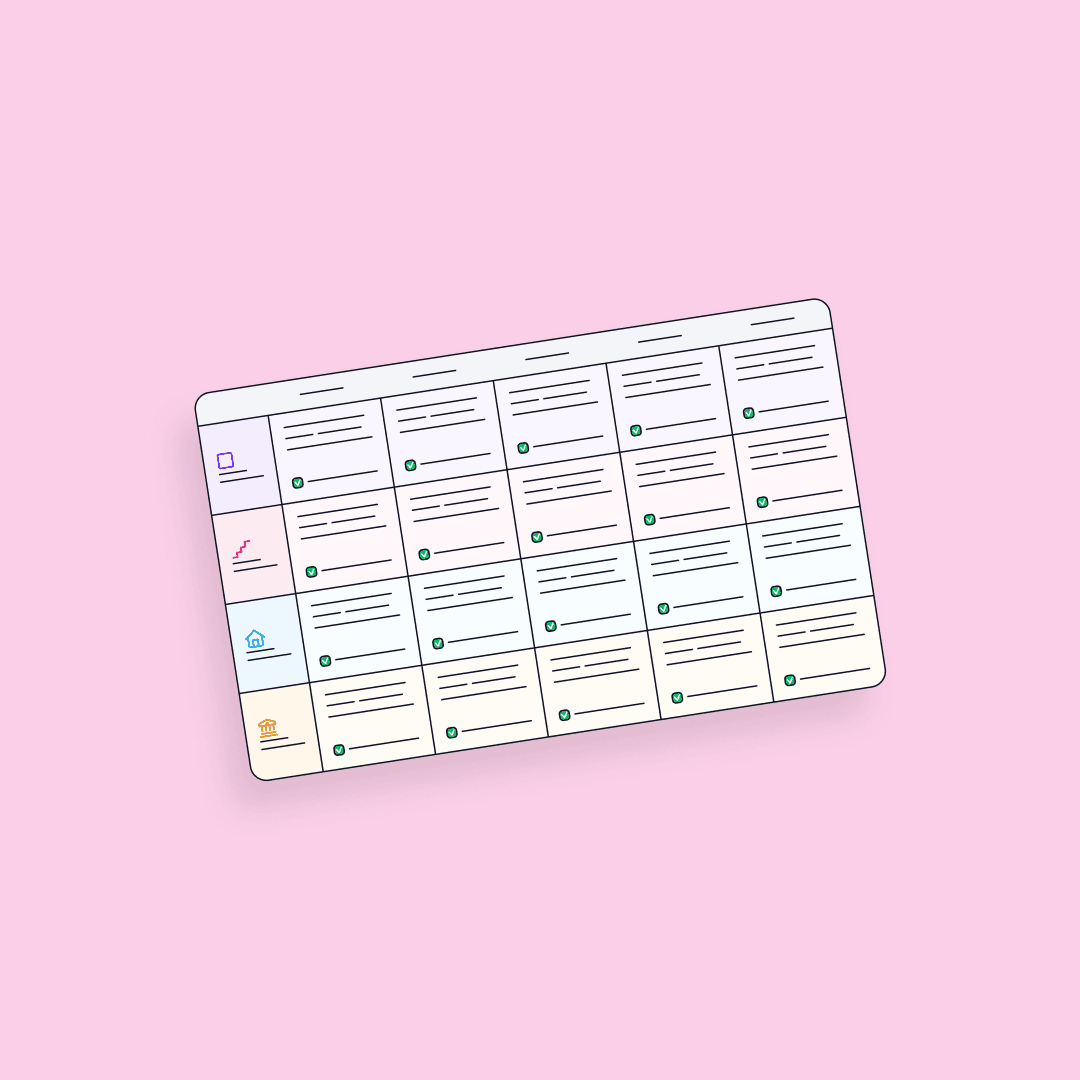
UX maturity scores insights; ResearchOps maturity scores the factory producing them. Use it to audit governance, participant pipelines, and tooling strategy. The mistake is judging research quality instead of operational infrastructure.
Why it exists
Since 2018, Research Operations has become a distinct function that powers user research at scale. Yet maturity frameworks like NN/g's UX Maturity Model were built to assess research quality and organizational UX adoption, not the operational plumbing behind it. ReOps teams were forced to retrofit generic models that ignored governance, participant management, and tooling strategy, leaving them without a roadmap to diagnose their own infrastructure gaps.
The mental model
Think of a manufacturing plant. Most maturity models inspect the finished product; the ResearchOps Maturity Matrix inspects the assembly line. It evaluates whether you have reliable supply chains for participants, safety protocols for data governance, and scalable machinery for scheduling, incentives, and study management. The output is only as good as the operational system that produces it.
How it works
The matrix was built with input from ReOps leaders at MongoDB, Dropbox, HelloFresh, Google, and Webflow. It functions as a tailored diagnostic that lets teams evaluate current practices across operational dimensions rather than research methodology. Teams identify their current state, spot growth opportunities, and take concrete steps toward operational excellence. It treats maturity as a spectrum of infrastructure capability, not insight quality.
When to use it
Reach for this matrix when your research team is growing beyond ad-hoc operations and needs to standardize how it handles participant recruitment, ethics governance, and tool stacks. It is especially useful when different parts of the organization run research in inconsistent silos, or when leadership asks for a concrete plan to scale user touchpoints without scaling chaos.
When not to use it
Do not use this framework to judge the quality of individual studies, the sophistication of research methods, or the strategic impact of UX insights on product decisions. It will not tell you if your usability testing is rigorous enough or if your personas are accurate. Those questions belong in research-quality and UX-maturity frameworks.
One canonical example
A large enterprise might discover through the matrix that one division manages participants through scattered spreadsheets with no privacy oversight, while another has a centralized CRM but lacks global incentive payout infrastructure. The matrix reveals that the bottleneck is not researcher skill but operational asymmetry, prompting investment in unified governance and participant management rather than more research training.
Interview question
A research director finds that skilled researchers produce excellent insights, yet recruitment, governance, and tooling are inconsistent across divisions. What should the ResearchOps Maturity Matrix diagnose?
- a.Which divisions need additional research training to manage recruitment and privacy more effectively.
- b.Whether individual study quality and research methods are rigorous enough to support scaling.
- c.The degree to which UX maturity and research adoption vary across the organization.
- d.Gaps in the operational infrastructure governing participant pipelines, data protocols, and tooling strategy.Correct
Why? this is the answer
The matrix audits operational infrastructure such as participant pipelines and governance, not the quality of insights or researcher skill. Although inconsistent recruitment and privacy practices might suggest a training gap, the matrix reveals that fragmented operational systems—not skill deficiencies—are the true bottleneck.
Just read this? Test yourself on what you have been reading.
Read the original → rallyuxr.com
- #researchops
- #ux-research
- #maturity-model
- #operations
- #scaling
You just looked this up. Could you explain it out loud?
That is the part interviews actually test. Tezvyn takes questions like this one and gives you what the interviewer is really checking, the answer that lands, and the mistake that ends the conversation, in the four minutes before your next meeting.
The iPhone app is on the way
We are building it. Until it lands, nothing here is held back from you: every interview card, your saved cards, streaks and the job board all work in Safari, plus hundreds of free practice quizzes of thirty questions each. Sign in and it all carries over to the app the day it arrives.
Want it as an icon? Tap Share at the bottom of Safari, then Add to Home Screen. It opens full screen and the cards you have read stay available offline.
We are hiring for this. Every open role lists the topics its interview covers, so you can prepare for the real thing rather than guessing.
See open roles