Writing Sound Cues: When to Yell 'BANG!' on the Page
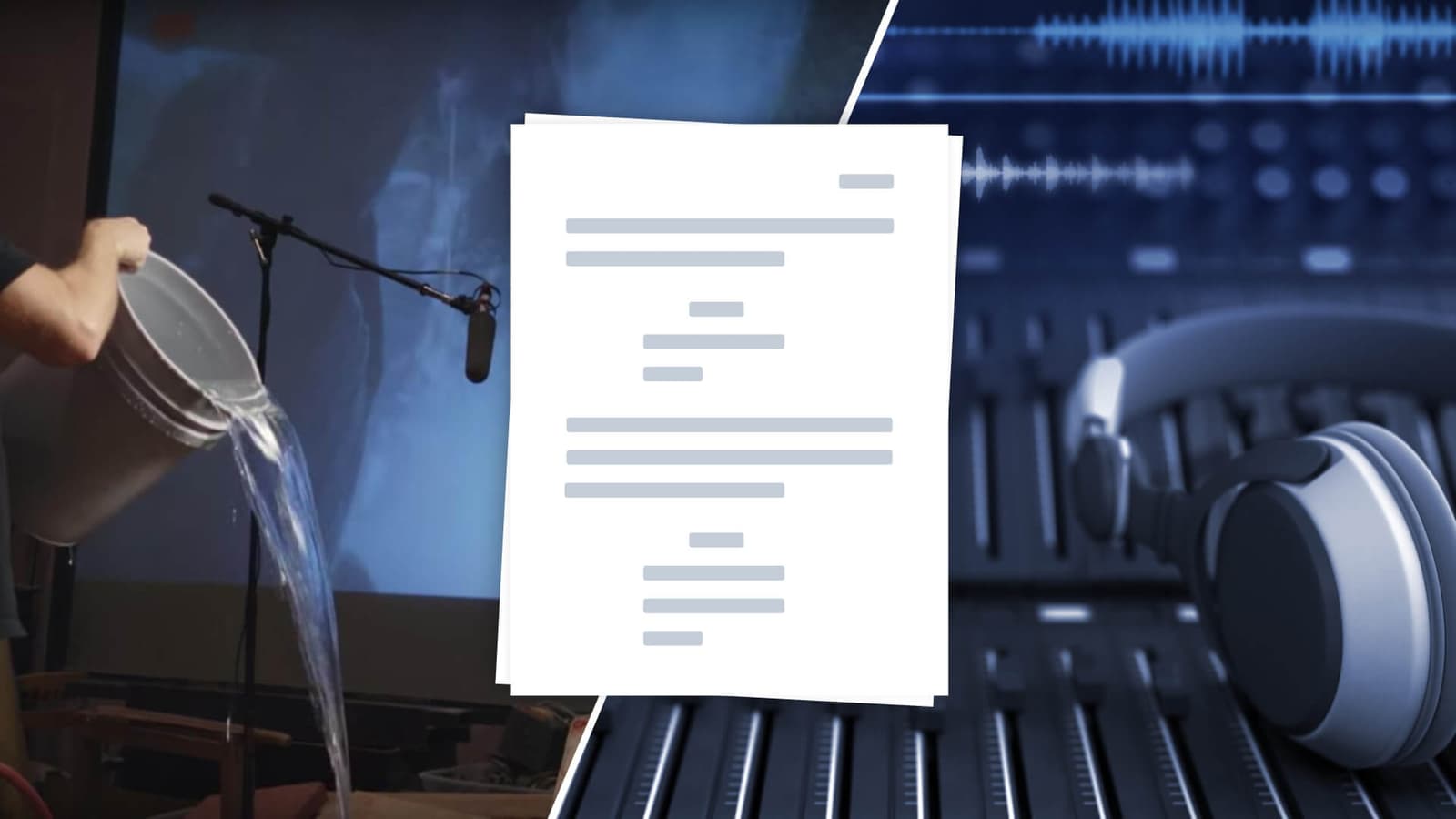
Don't just describe a sound; make it heard. In screenplays, write plot-critical sounds as capitalized onomatopoeia in the action lines, like a gunshot (BANG!). The footgun is capitalizing ambient noise or using it to direct an actor's vocal delivery.
Why it exists
A screenplay's job is to convey a cinematic experience on a static page. Sound is a huge part of that experience, but only some sounds actually drive the plot forward. A specific convention is needed to distinguish a story-altering sound from simple background noise, forcing the reader to pay attention.
The mental model
Think of it as shouting on the page. When a sound is so important that it changes what characters do, think, or feel, you capitalize it. This forces the reader to "hear" it and register its significance, mirroring how that same sound would grab an audience's attention in a finished film.
How it works
When a sound is critical to the plot, write it in ALL CAPS within the action description. Use onomatopoeia—the word for the sound itself—rather than a neutral description. For example, write CRACK instead of "the sound of a branch breaking." This technique is for diegetic sounds, meaning sounds that exist within the world of the story and can be heard by the characters.
When to use it
Use this for any sound that functions as a plot point. Three places this shows up: first, a sound that motivates an action, like a BANG! that causes characters to flee; second, a sound that creates suspense, like a faint SCRAPE from outside a locked door; third, a sound that triggers a sequence of events, like the RRRING! of a phone that must be answered.
When not to use it
Do not capitalize sounds that are purely ambient background and have no bearing on the plot, such as general traffic noise or birds chirping. Most importantly, do not use sound cues to direct an actor's vocal performance. Never write that a character YELLS their line; the actor and director will interpret the delivery from the dialogue and context. An exclamation point is sufficient.
One canonical example
A character is hiding in the woods at night. The tension is high. The action line reads: "He holds his breath. Silence. Then, a twig behind him goes SNAP!" The capitalized SNAP instantly creates a jolt for the reader, signals a turning point in the scene, and flags a non-negotiable sound effect for the production team.
Interview question
Which scenario correctly applies the screenplay convention of capitalizing a sound cue?
- a.Writing the sudden SCREECH of tires as a car narrowly avoids an accident, alerting the protagonist.Correct
- b.Describing a character's dialogue as a WHISPER to indicate their fear.
- c.Indicating the general CHATTER of a busy restaurant where a secret meeting is taking place.
- d.Capitalizing the constant HUM of a refrigerator in a domestic scene.
Why? this is the answer
Option A correctly applies the convention because the sudden SCREECH of tires is a plot-critical sound that motivates action and creates suspense. Options like D, which describe general background noise, should not be capitalized as they do not drive the plot forward.
Just read this? Test yourself on what you have been reading.
Read the original → studiobinder.com
- #screenwriting
- #copywriting
- #sound design
- #filmmaking
You just looked this up. Could you explain it out loud?
That is the part interviews actually test. Tezvyn takes questions like this one and gives you what the interviewer is really checking, the answer that lands, and the mistake that ends the conversation, in the four minutes before your next meeting.
The iPhone app is on the way
We are building it. Until it lands, nothing here is held back from you: every interview card, your saved cards, streaks and the job board all work in Safari, plus hundreds of free practice quizzes of thirty questions each. Sign in and it all carries over to the app the day it arrives.
Want it as an icon? Tap Share at the bottom of Safari, then Add to Home Screen. It opens full screen and the cards you have read stay available offline.
We are hiring for this. Every open role lists the topics its interview covers, so you can prepare for the real thing rather than guessing.
See open roles