Search
Find a bite, explore a topic or look for a role.
Results for “Python”
Bites 291
The Object-Relational Impedance Mismatch
The Object-Relational Impedance Mismatch is the friction between how SQL databases see data (tables, rows) and how OO code sees it (objects, inheritance). It's the core problem ORMs solve. The footgun is thinking an ORM makes the database disappear.
Document Databases: Store Data as Flexible Objects
A document database stores data as self-contained objects, like JSON, instead of rows and columns. It's ideal for user profiles or product catalogs where each item might have different attributes. The footgun is treating it as a schema-less free-for-all.
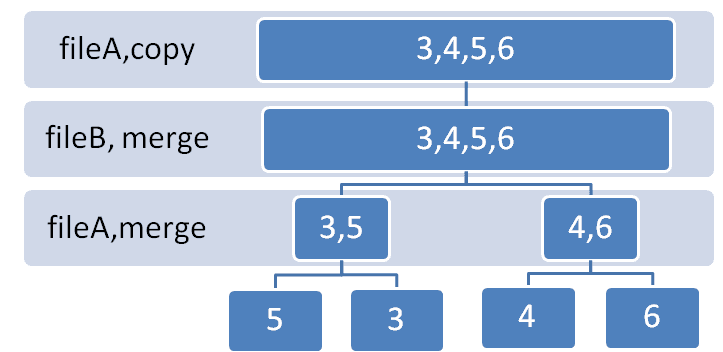
External Merge Sort: Sorting Data Bigger Than RAM
External merge sort handles datasets too big for RAM. It sorts the data in memory-sized chunks, writes them to disk, then merges the sorted chunks back together. It's crucial for database indexing, but its speed is limited by disk I/O, not CPU.
Spark DataFrame API: SQL Smarts on Distributed Data
The DataFrame API is like giving Spark a schema for your distributed data, letting its Catalyst optimizer plan queries like a database would. Use it for structured data processing with column-based operations.
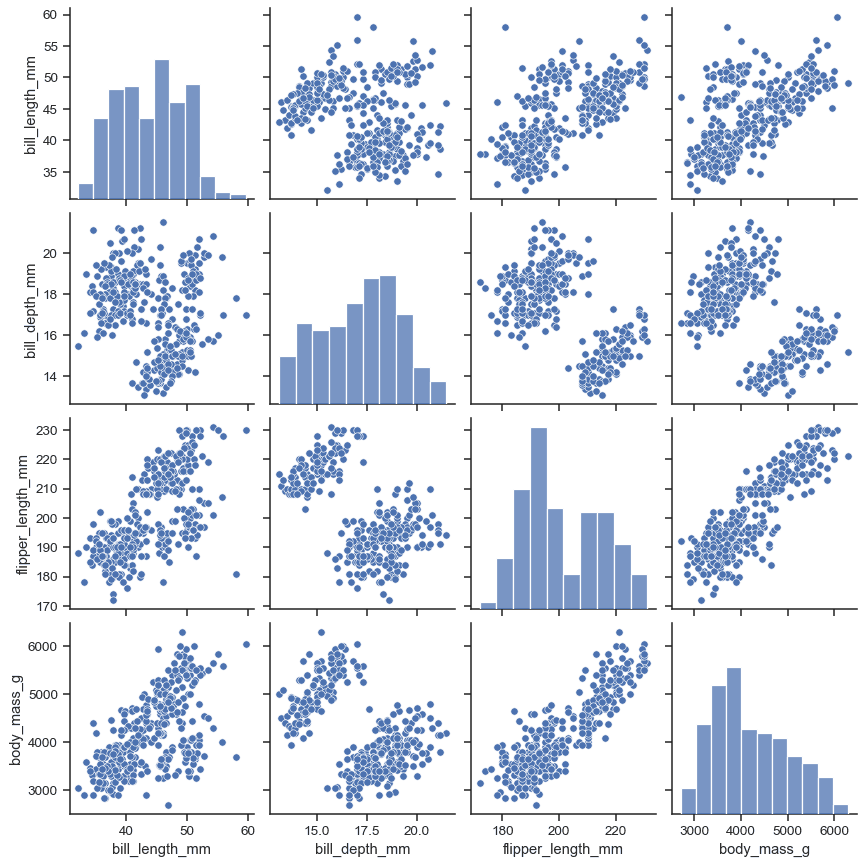
Pair Plot: See All Your Data's Relationships at Once
A pair plot is a matrix of charts showing every pairwise relationship in a dataset. Use it in exploratory data analysis to spot correlations and distributions at a glance. The footgun: it becomes unreadably large and slow with more than ~10 variables.
Box-Cox Transformation: Forcing Skewed Data to Look Normal
The Box-Cox transformation is a statistical lens that reshapes skewed data to better resemble a normal distribution. It helps meet the assumptions of models like linear regression, but it only works on positive data and complicates direct interpretation of…
HTML Parsing: Turning Web Pages into Data
Think of HTML parsing as X-ray vision for web pages, revealing the underlying data structure. It's used for web scraping and automated testing. The main footgun is using regex; a real parser is robust against markup changes.
Tidy Data: One Variable, One Column
Tidy data is a standard for structuring datasets: each column is a variable, each row an observation. This format simplifies analysis, as tools can expect a consistent input shape.
NumPy ndarray: Fast, Typed, Multidimensional Grids
A NumPy ndarray is a fast, memory-efficient grid for numbers of a single type. It's the backbone for scientific computing, used for image data to ML model weights. The main footgun: slicing often creates a view, not a copy, so edits can alter the original.
ONNX: The Universal Translator for ML Models
ONNX is a universal translator for ML models, letting you train in one framework (like PyTorch) and run in another. It's used to deploy models to diverse hardware without rewriting them.

The Sidecar Pattern: Offload and Isolate Application Logic
The Sidecar Pattern attaches a helper container to your main application, like a sidecar on a motorcycle. It offloads tasks like logging or proxying, letting you add features without changing the main app's code. The footgun is over-engineering a solution.
Managed ML Platforms: Heroku for Machine Learning
A managed ML platform is like Heroku for machine learning, providing an integrated environment for the entire model lifecycle. Use it to build, train, and deploy models without managing servers, data pipelines, or inference endpoints yourself.
Apache Beam: Write-Once, Run-Anywhere Data Pipelines
Apache Beam is a universal remote for big data engines. You write your pipeline logic once using its SDK, and it translates your code to run on different "runners" like Spark or Flink. The footgun is thinking Beam is an engine; it's an abstraction that.
Apache Airflow: Code-Defined Data Pipelines
Airflow lets you define, schedule, and monitor complex data workflows as code, replacing brittle cron jobs. It's used for ETL jobs or ML training pipelines. The footgun is treating it as a data processing engine; it's an orchestrator, not the worker.

AWS SAM: A Shorthand for Serverless on AWS
Think of AWS SAM as a developer-friendly shorthand for defining serverless applications. It simplifies creating Lambda functions and APIs by abstracting away verbose CloudFormation syntax, letting you build and test locally before deploying.
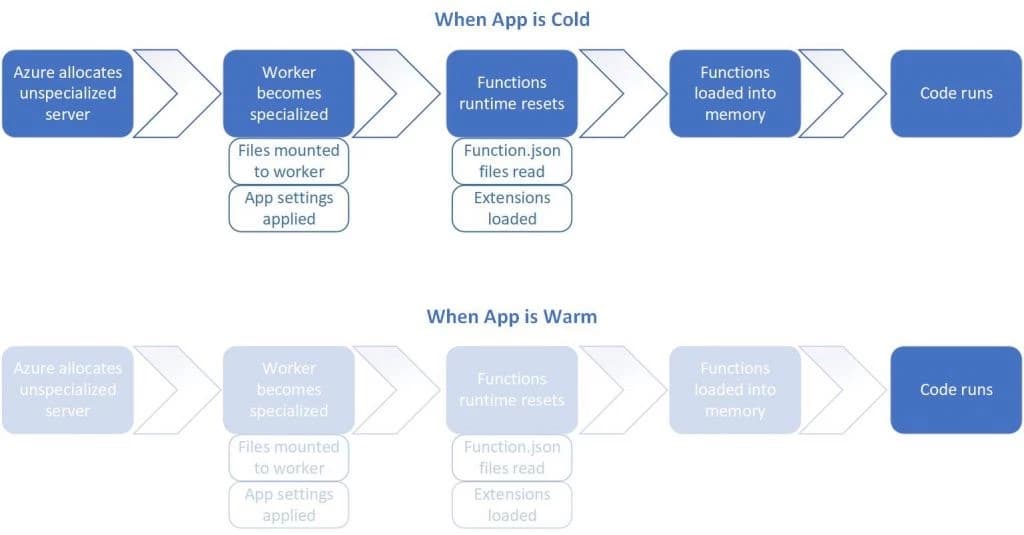
Serverless Cold Starts: The Price of 'Pay-per-Use'
A serverless cold start is the initial delay when a function boots from scratch, like waking a computer from being off versus asleep. It happens on the first request or after inactivity.
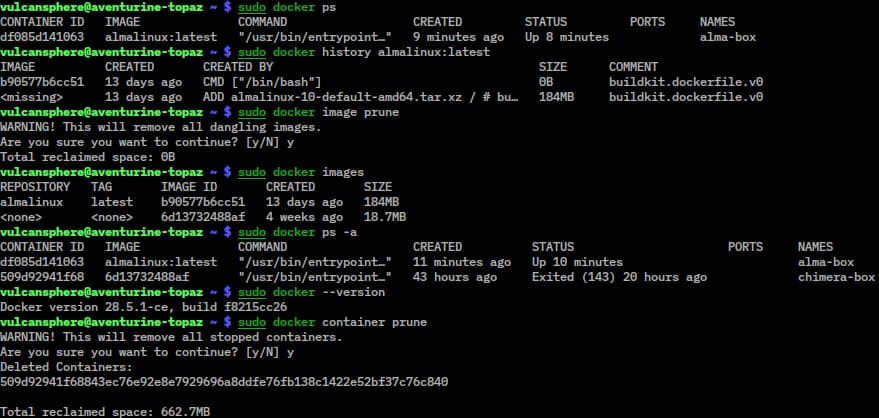
Docker Engine: Shipping Your Code in a Standard Box
Think of Docker as a standard shipping container for your code. It packages an app and all its dependencies into one unit that runs anywhere, solving the classic "it works on my machine" problem. The footgun is confusing it with a full VM; it's lighter.
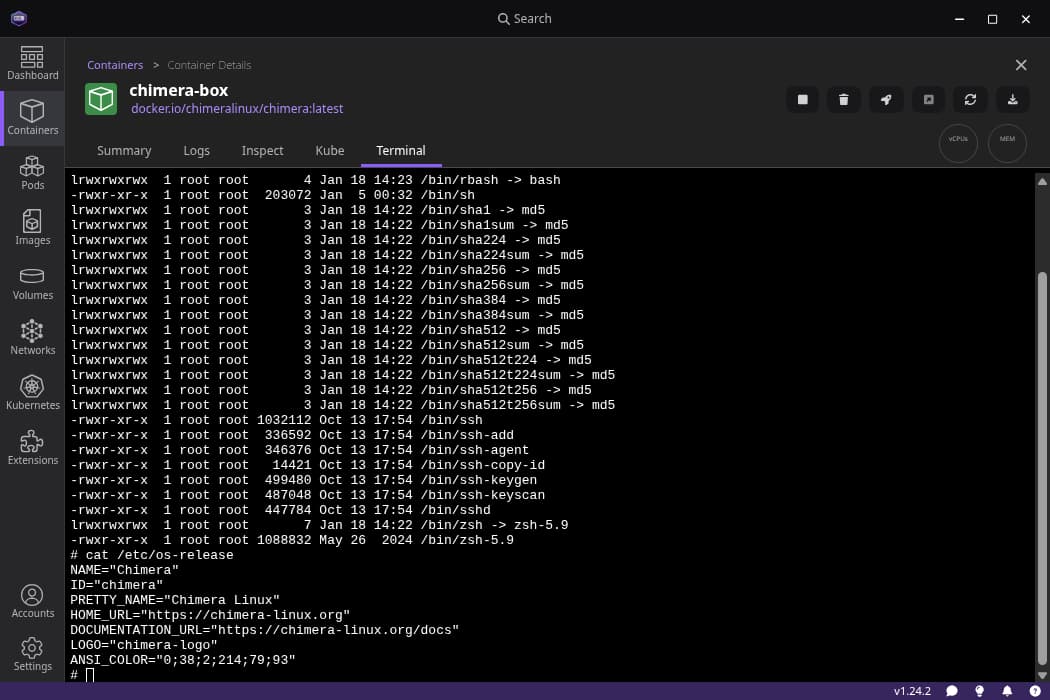
Containerization: Packaging Apps to Run Anywhere
Think of a container as a standardized box for your app, bundling its code and all dependencies. This ensures it runs the same everywhere, solving "it works on my machine" problems. The footgun is confusing them with VMs; containers are less isolated.
AWS Elastic Beanstalk: Your App, Not Your Servers
Elastic Beanstalk is a PaaS-like wrapper for AWS infrastructure. You upload your code, and it handles provisioning servers, load balancers, and scaling. It's great for standard web apps but its abstraction is leaky; debugging often requires knowing the…
Platform as a Service (PaaS): Focus on Code, Not Infrastructure
PaaS is like a managed workshop for your code; you just bring your application, and the platform handles the servers, OS, and runtime. It's used to quickly deploy web apps without managing infrastructure. The footgun is inflexibility and vendor lock-in.