Search
Find a bite, explore a topic or look for a role.
Results for “React”
Bites 747
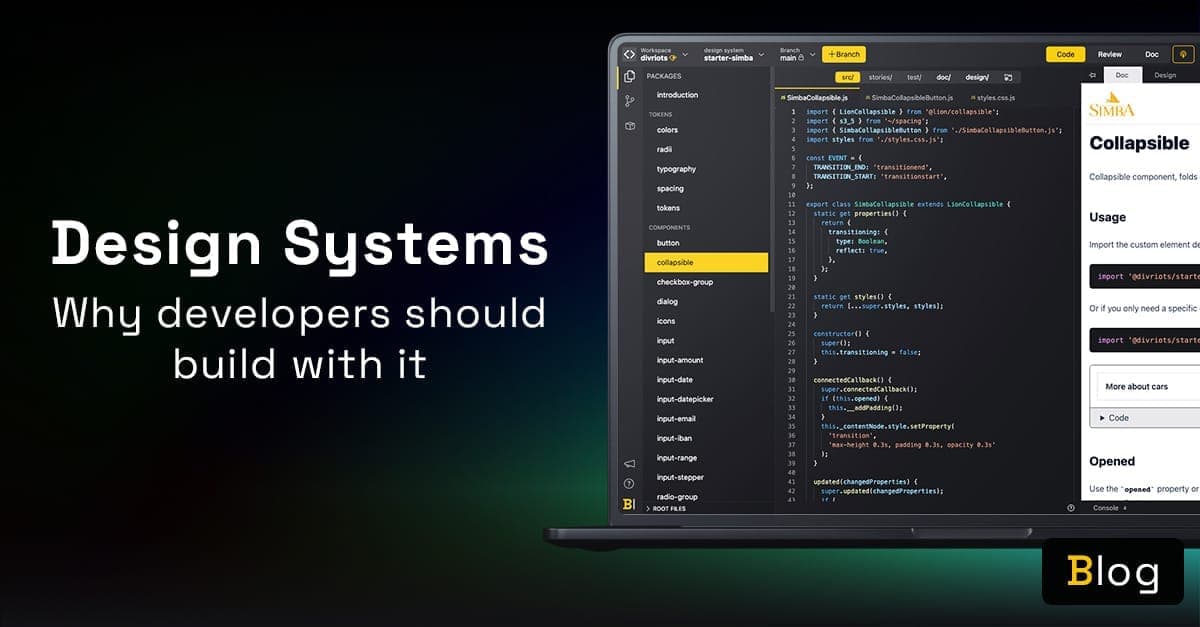
What are the main benefits of consuming a design system?
Cite tokens for theming, isolated components, live docs, and designer collaboration.
What is a design system and its primary engineering components?
Tests if you treat design systems as engineering infrastructure, not just UI kits. Strong answers cite reusable coded components, design tokens, documentation, and governance as the core. Red flag: calling it just a component library or style guide.
Map Components to Native Platform Equivalents
Map design system components to native OS equivalents instead of forcing identical custom widgets everywhere. Use this when cross-platform apps must respect platform conventions.
Scoped Theming: Local Overrides Without Global Leaks
Scoped theming is sunglasses for a UI subtree: it swaps tokens for one section without touching the global page. Use it for a dark-mode dashboard or white-label widget inside a light app, but avoid deep nesting or you will fight invisible inheritance chains.
Token Aliasing: Theme by Role, Not Value
Token aliasing names a color by its job, not its hex, so you swap the underlying value per theme. One library supports light mode, dark mode, or multiple brands without code changes. The footgun is deep alias chains that hide which primitive value renders.
Design System API Review
A design system API review treats component props as a public contract before code ships. It catches inconsistent naming, prop bloat, and breaking changes that fragment the product. Teams skip it because "it is just UI," creating unmaintainable interfaces.
Release Cadence: The Design System Heartbeat
Release cadence is the heartbeat of a design system: a fixed shipping rhythm that lets teams plan upgrades instead of absorbing random change. It is vital when many squads share a library.
Centralized Design System Team Model
A centralized design system team acts as a central kitchen: one dedicated group owns the components and standards that every product team consumes. It guarantees consistency but becomes a bottleneck if the team loses touch with shipping product teams.
Federated Docs: One Hub, Many Authors
A federated documentation strategy treats your design system docs like a network, not a monolith. Each team maintains docs in their own repo, and a central hub aggregates them.

Storybook: Design System Documentation
Storybook is a workshop for building UI components in isolation, then auto-publishing docs from those living examples. Teams use it to catalog design systems without maintaining a separate documentation site.
How would you scrape a page with dynamically loaded JavaScript content?
It tests if you know dynamic pages need a real renderer. A great answer names Playwright or Selenium, uses explicit waits for elements, and extracts via DOM or network interception. Red flag: suggesting only static parsers like BeautifulSoup or blind sleeps.

CSS will-change: purpose, appropriate use, and overuse consequences
Tests whether you know will-change is a last-resort hint, not a default. Strong answers: hint imminent changes, toggle via script, and warn that overuse wastes memory. Red flag: leaving it in CSS permanently or applying it preemptively to many elements.
Private NPM Registry for Internal Packages
A private registry hosts packages so teams npm install internal design systems like public dependencies. It matters when you split a monolith into shared libraries. The footgun is skipping scoped names and auth, which risks leaking code to the public registry.
Auto-Generated Changelogs for Design Systems
Automated changelog generation turns structured commits into release notes without hand editing. It rescues teams when design systems ship frequent token or component updates. The footgun is that sloppy commits produce useless logs so discipline beats tooling.
CSS :has(): Query Parents and Previous Siblings
CSS :has() styles an element based on its children or later siblings, like highlighting a section with a featured card. Previously this required JavaScript. If unsupported, the whole selector block fails, so wrap it in :is() or use progressive enhancement.
Design System Dependency Update Automation
Automating dependency updates pushes design system releases to apps without manual pull requests. It matters when token changes must reach dozens of repositories at once. The footgun is automating bumps without visual regression, which silently breaks UI.
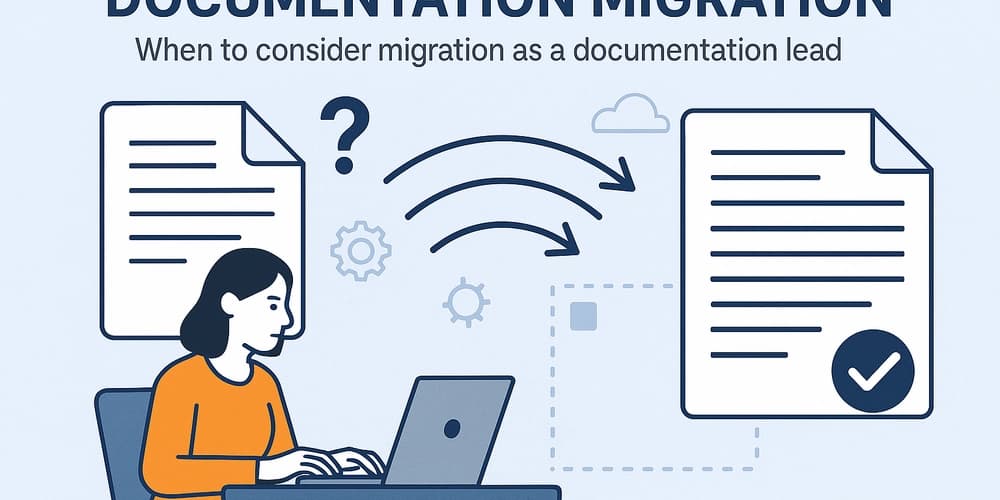
Propose a strategy to migrate fragmented docs into a unified docs-as-code system
Inventory sources; choose SSG by team fit; automate extraction; phased rollout with redirects.
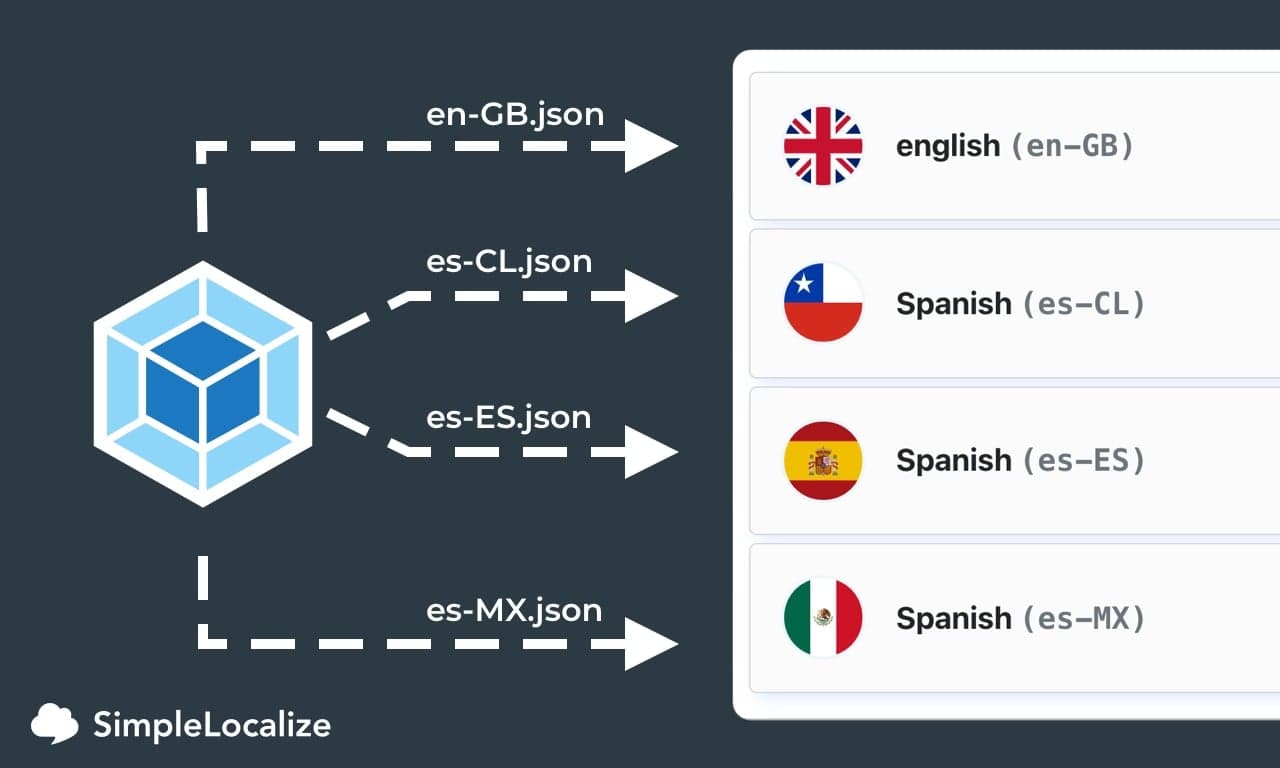
Propose two strategies for lazy-loading SPA localization data
This tests code-splitting for i18n. Strong answers cover: first, per-locale dynamic imports creating separate chunks per language; second, namespace splitting fetching only keys for active UI. Red flag: ignoring bundler chunking or Core Web Vitals impact.

Design an A/B test system for homepage headlines without deployments
Tests decoupling experiment configuration from deploys via a headless CMS and feature flagging. A strong answer covers variation containers, server-side bucketing, conversion tracking, and marketer-controlled copy swaps.
Replace a hardcoded error message with a scalable copy system
Tests decoupling UI copy from code via key-based i18n. Move the string into a JSON namespace, wire through i18next, load dynamically, and lint against hardcoded strings. Manual find-and-replace without keys or fallback is a red flag.