Search
Find a bite, explore a topic or look for a role.
Results for “Python”
Bites 291
Koog 1.0 Stabilizes Kotlin AI Agent Framework
Koog 1.0 locks APIs for one year in JetBrains' Kotlin AI agent framework, adding local Android LiteRT inference and OpenTelemetry. JVM teams can build production agents without breaking changes. Adopt stable core first, then add beta features as needed.
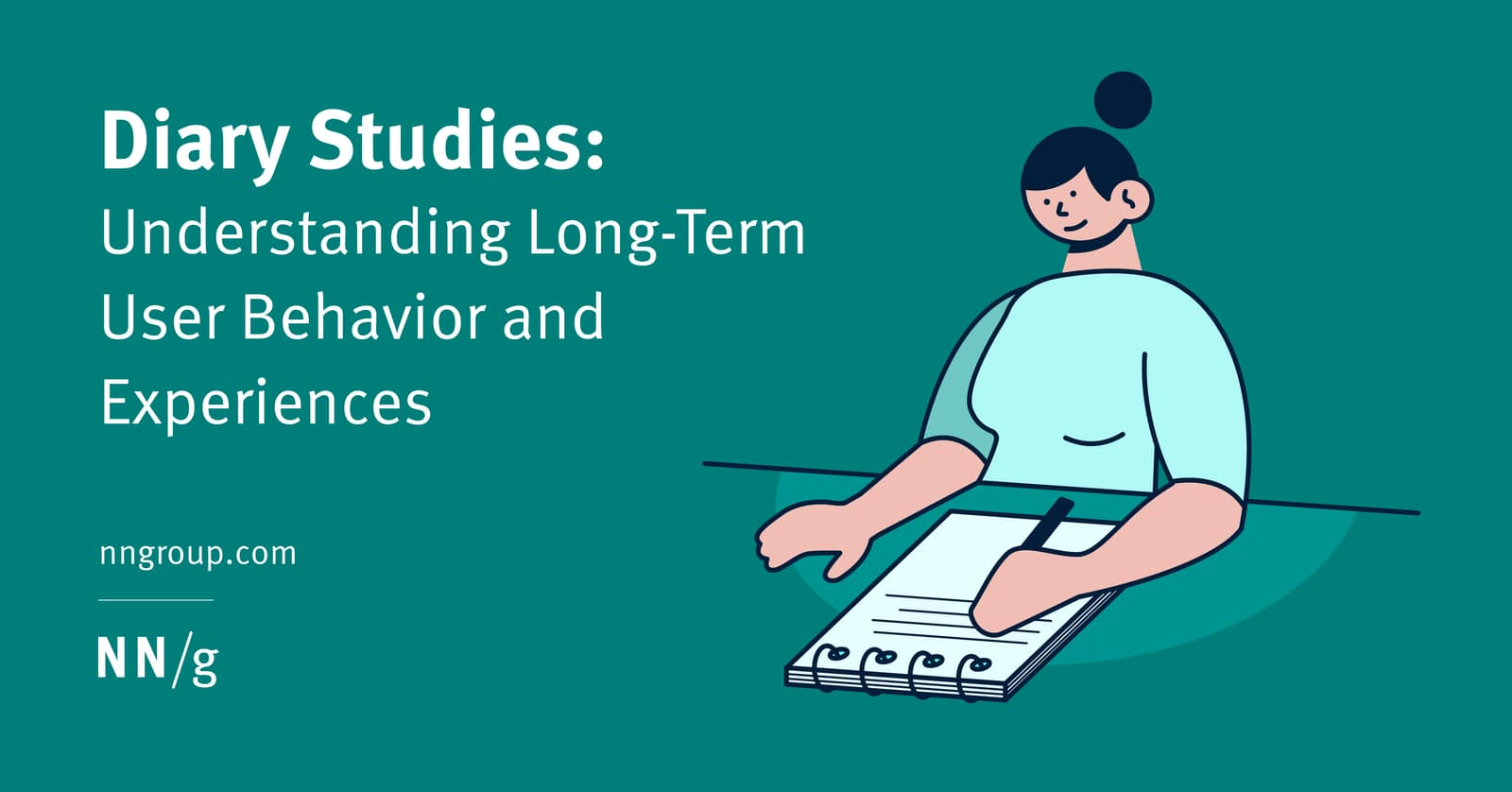
Describe a workflow to automate a 50-person diary study
Tests operational UX research automation and API integration. A strong answer maps a pipeline of calendar APIs, email triggers, and reminder bots with no-show fallbacks. Red flag: manual spreadsheets or survey tools lacking scheduling logic.

How would you automatically audit WCAG AA contrast in Figma?
This tests Figma plugin vs REST API color extraction limits. Good answers contrast live traversal with export-based analysis, cite WCAG AA ratios of 4.5:1 and 3:1, and note opacity. A red flag is assuming the REST API can sample pixels without image export.
How do you manage configuration and secrets for a containerized FastAPI app?
Tests 12-factor config separation and Docker secret hygiene. A strong answer uses pydantic-settings with runtime env vars, lru_cache, and keeps .env out of the image. Red flag: baking credentials into Dockerfile layers or committing .env files.
How do you directly modify FastAPI's generated OpenAPI dictionary?
Tests deep FastAPI lifecycle knowledge. Override app.openapi: save the original, call it to get the dict, mutate it, cache on app.openapi_schema, and return. Red flag: rewriting /openapi.json in middleware or touching the schema cache directly.
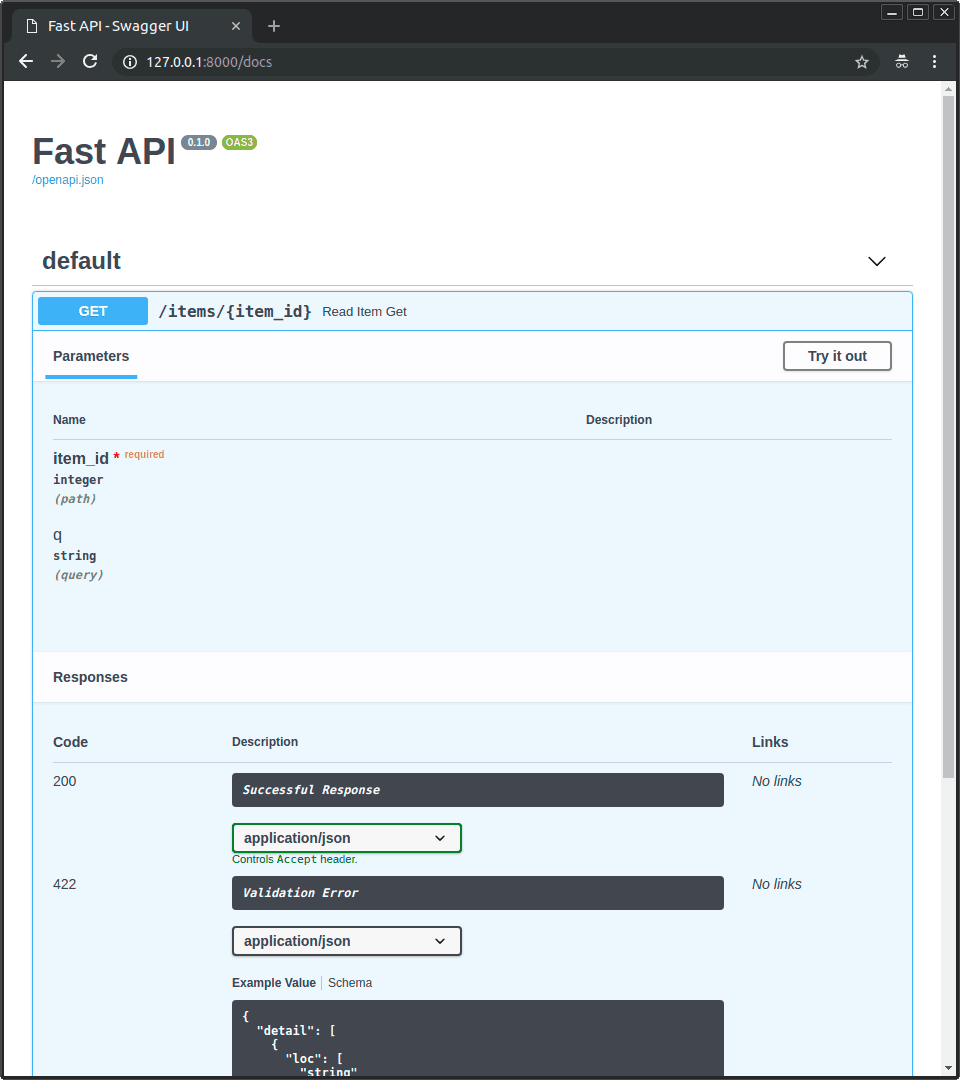
What are FastAPI's two default interactive documentation UIs and URL paths?
This tests whether you know FastAPI's built-in auto-generated docs. A strong answer names Swagger UI at /docs and ReDoc at /redoc, then notes the OpenAPI schema at /openapi.json. A weak answer confuses these with external tools or custom routes.
How do you test FastAPI background tasks are enqueued correctly?
This tests mocking framework hooks without firing side effects. A great answer: mock BackgroundTasks or override its dependency, assert add_task got the right function and payload, and test the sender separately.
How should you store user passwords in a database?
Tests knowledge of slow salted hashing versus encryption. Strong answers pick Argon2id or bcrypt, require unique per-user salts, describe verification via re-hashing with constant-time comparison, and cite bcrypt or argon2-cffi.
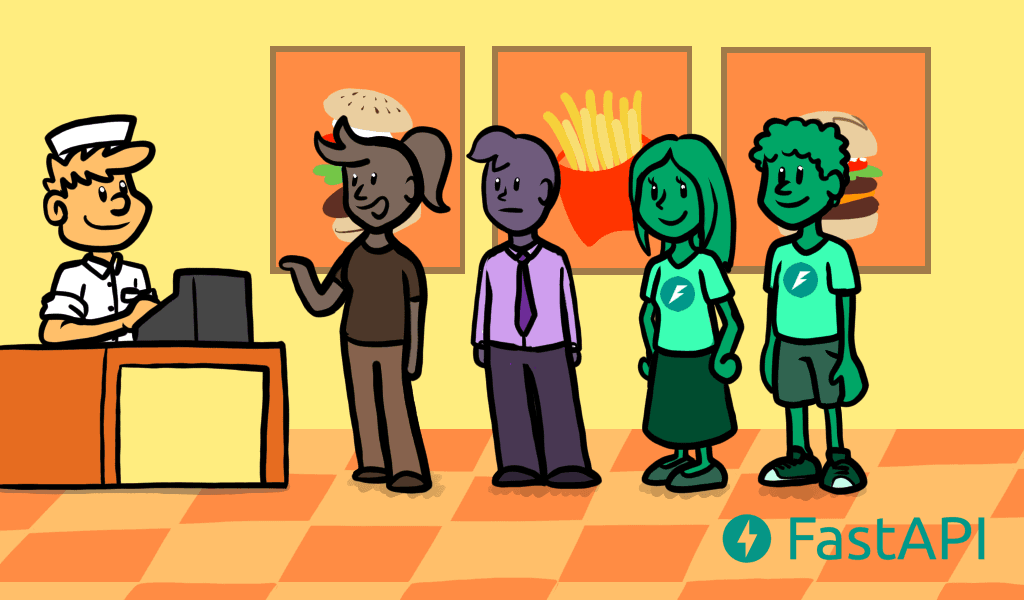
Why synchronous DB libraries block async FastAPI endpoints and correct SQLAlchemy usage
This tests event loop blocking: sync DB calls in async def halt all requests. Answer: sync drivers block the loop despite releasing the GIL; use asyncpg with SQLAlchemy create_async_engine and AsyncSession. Red flag: recommending run_in_executor as default.
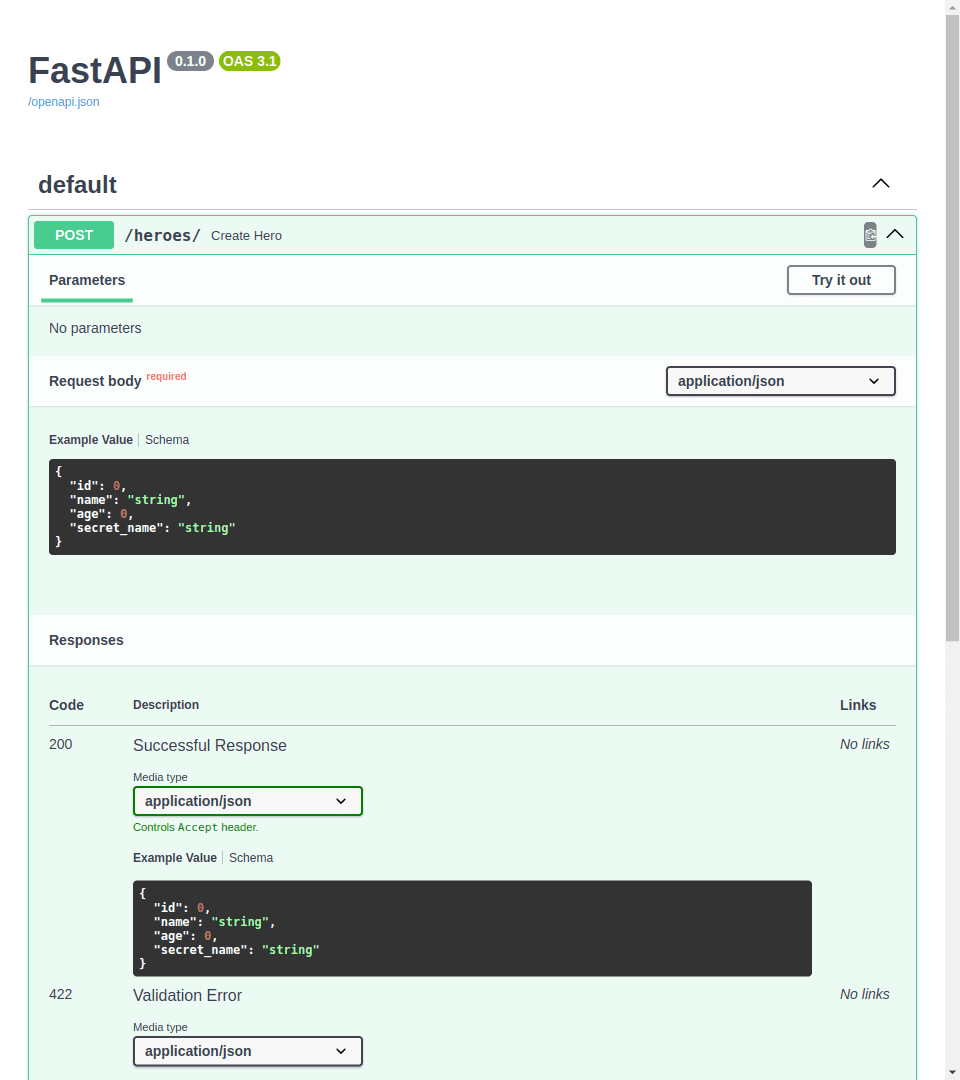
Explain SQLAlchemy ORM vs Pydantic models in FastAPI
This tests separation of database schema from API contracts. A strong answer distinguishes SQLAlchemy table rows from Pydantic validation and OpenAPI generation, and notes that create schemas exclude auto-generated IDs.
Describe SQLAlchemy setup in FastAPI from database config to endpoint
Tests FastAPI dependency injection and SQLAlchemy session lifecycle. Good answers cover: engine with pooling, declarative models, a yield-based session dependency, and endpoint queries. Red flag: engine per request or global session shared everywhere.
How do you gracefully cancel and clean up an asyncio task?
This tests asyncio cooperative cancellation and cleanup. A strong answer covers catching CancelledError at await points, using try/finally or async context managers for cleanup, and re-raising.
Unhandled exception in asyncio.create_task(): consequence and detection
Tests Task exception capture vs propagation. Good answer: exceptions are stored in the Task object, the loop keeps running, and the creator must await the task or call task.exception() to retrieve it; unretrieved ones may be logged.
When should you use asyncio.Lock over threading.Lock?
This tests cooperative multitasking knowledge: asyncio.Lock yields to the event loop via await, while threading.Lock blocks the OS thread and freezes the loop. A red flag is claiming threading.Lock works because locks are universal.
Explain the asyncio event loop and cooperative multitasking
Tests if you view the event loop as a single-threaded orchestrator, not magic parallelism. Strong answers note it runs tasks and callbacks, manages a ready queue, and yields control at await. Red flag: calling it multithreading or parallel execution.
How do you safely execute blocking code from an async function
Tests whether you know how to prevent event loop blocking by offloading sync work. Name asyncio.to_thread or run_in_executor, explain ThreadPoolExecutor scheduling, and note when processes beat threads.
Explain await's purpose, awaitable types, and event loop signaling
This tests whether you understand await as a yield point. A strong answer lists three awaitables (coroutines, Tasks, Futures), explains await yields control to the event loop until completion, and warns that a bare coroutine call does not run it.
What is the difference between async def and regular functions?
This tests async def call semantics. A strong answer contrasts regular functions, which execute immediately, with async def, which returns a coroutine object that does nothing until awaited or wrapped in create_task.
How do you dynamically discover and register FastAPI routers from a directory?
Scan app/routers/ with importlib, validate APIRouter objects, include_router with prefixes, and isolate failures.
Manage dev, staging, and prod configs in a large FastAPI app
This tests separating environment config from code with pydantic-settings and env vars. A strong answer covers .env files for local dev, per-environment validation, and secret injection for prod. Red flags are hardcoded values or scattered conditionals.