Search
Find a bite, explore a topic or look for a role.
Results for “Python”
Bites 291
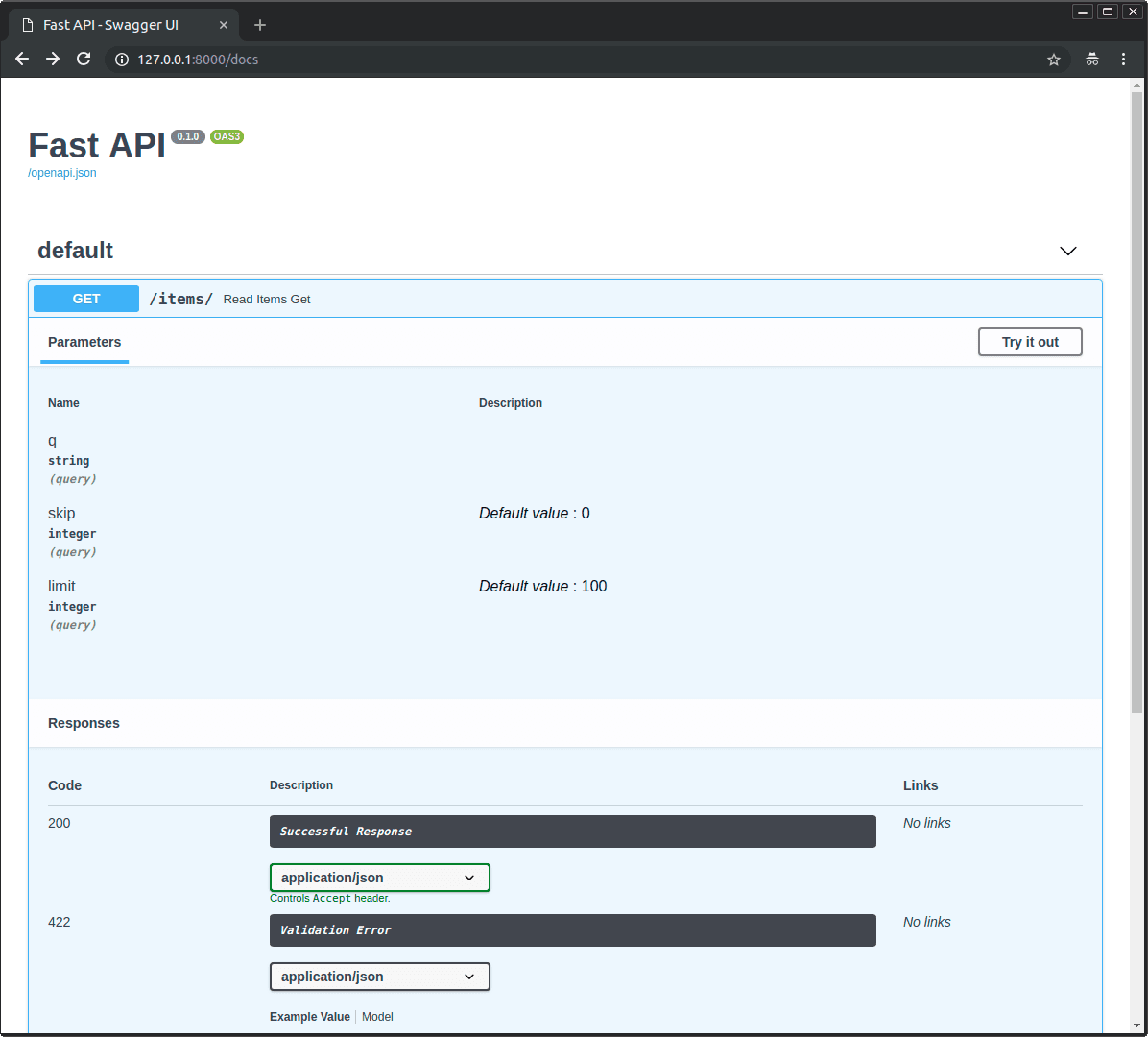
How would you implement a dependency requiring multi-source parameters?
Tests if you know FastAPI resolves dependency params like endpoint params. Great answers annotate each parameter with its source inside the dependency so FastAPI injects them independently. Red flag: manually parsing Request or merging values in the endpoint.
How does FastAPI cache dependencies within a single request?
Tests if you know FastAPI caches a dependency after the first call in a request and reuses it across the tree. A strong answer covers default use_cache=True, request-scoped lifetime, and disabling it.
How does FastAPI execute setup and teardown in nested yield dependencies?
It tests FastAPI's dependency injection lifecycle and stack-like teardown for nested yield dependencies. Setup runs top-down; teardown runs bottom-up after the response. A red flag is claiming teardown order is arbitrary or follows garbage collection.
Implement a custom exception handler to catch ItemNotFoundError and return 404
Tests FastAPI exception handler registration beyond HTTPException. A strong answer covers creating a custom exception, using app.exception_handler, and returning a JSONResponse with status 404 and a structured body. Red flag: per-route try/except, plain dict.
How do you create a reusable current-user dependency in FastAPI?
Tests DRY auth with FastAPI Depends. Answer: create get_current_user that Depends on OAuth2PasswordBearer, verifies token, returns User model, inject into routes. Red flag: middleware or manual header parsing in each endpoint.
Define a FastAPI endpoint with path and query parameters
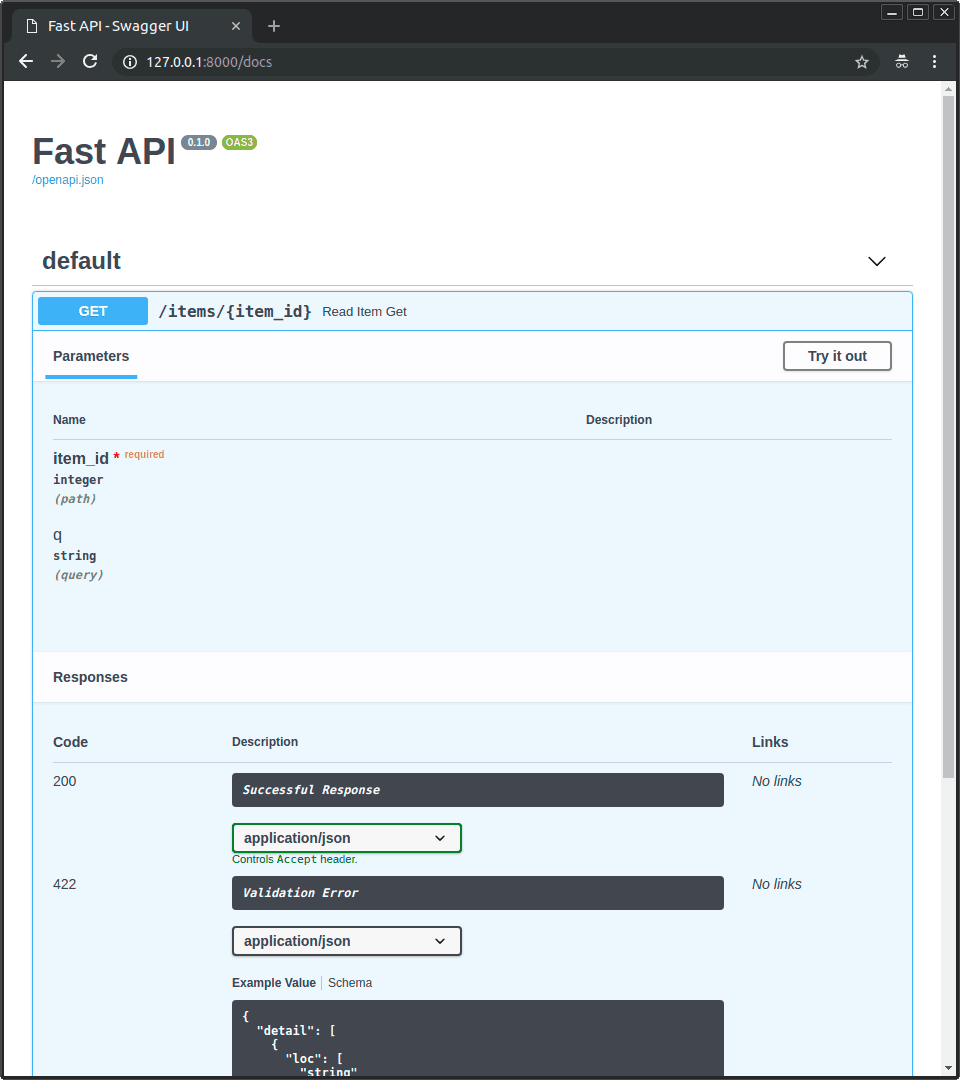
Tests if you know FastAPI infers parameter location from the route string. Good answer: route with {item_id}, signature item_id: int, q: str | None = None, noting any param not in the path becomes a query param.
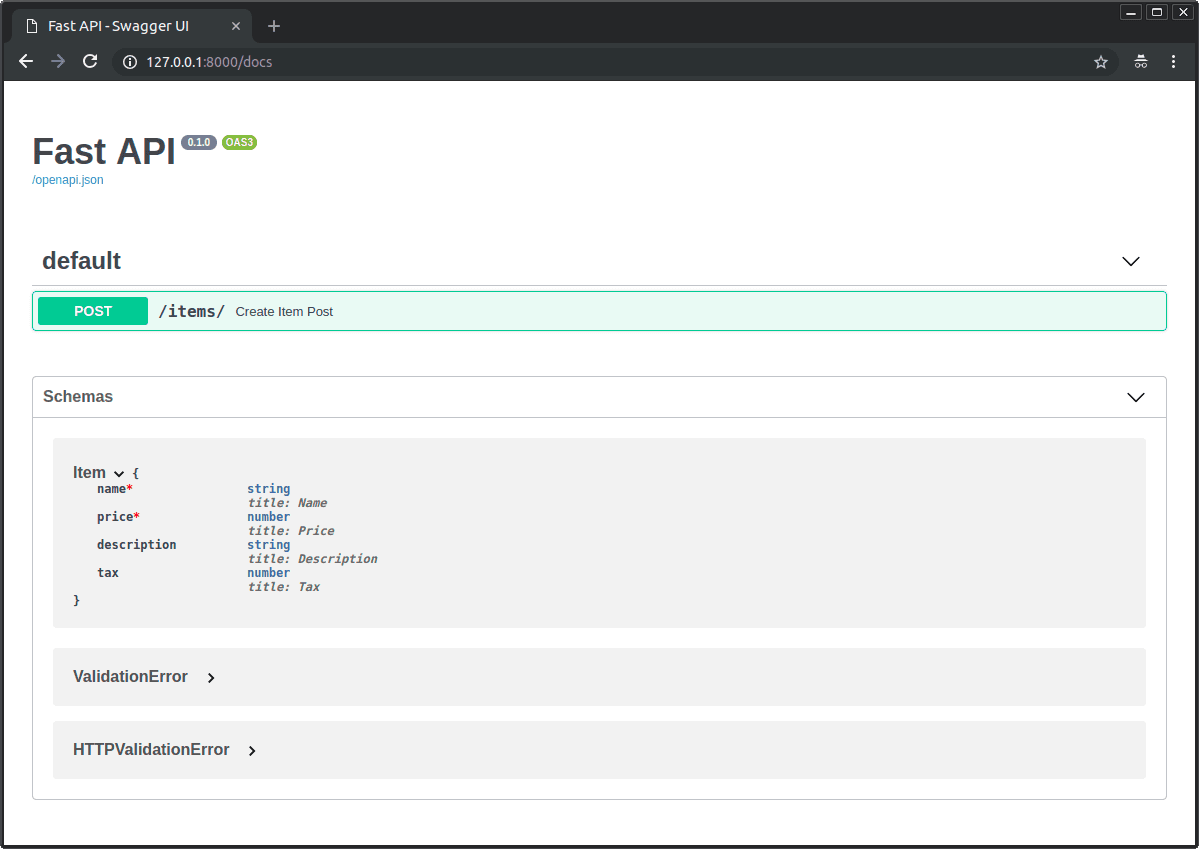
How do you define a Pydantic model and use it in FastAPI?
Subclass BaseModel with name str and age int, then type-hint the parameter with the model.
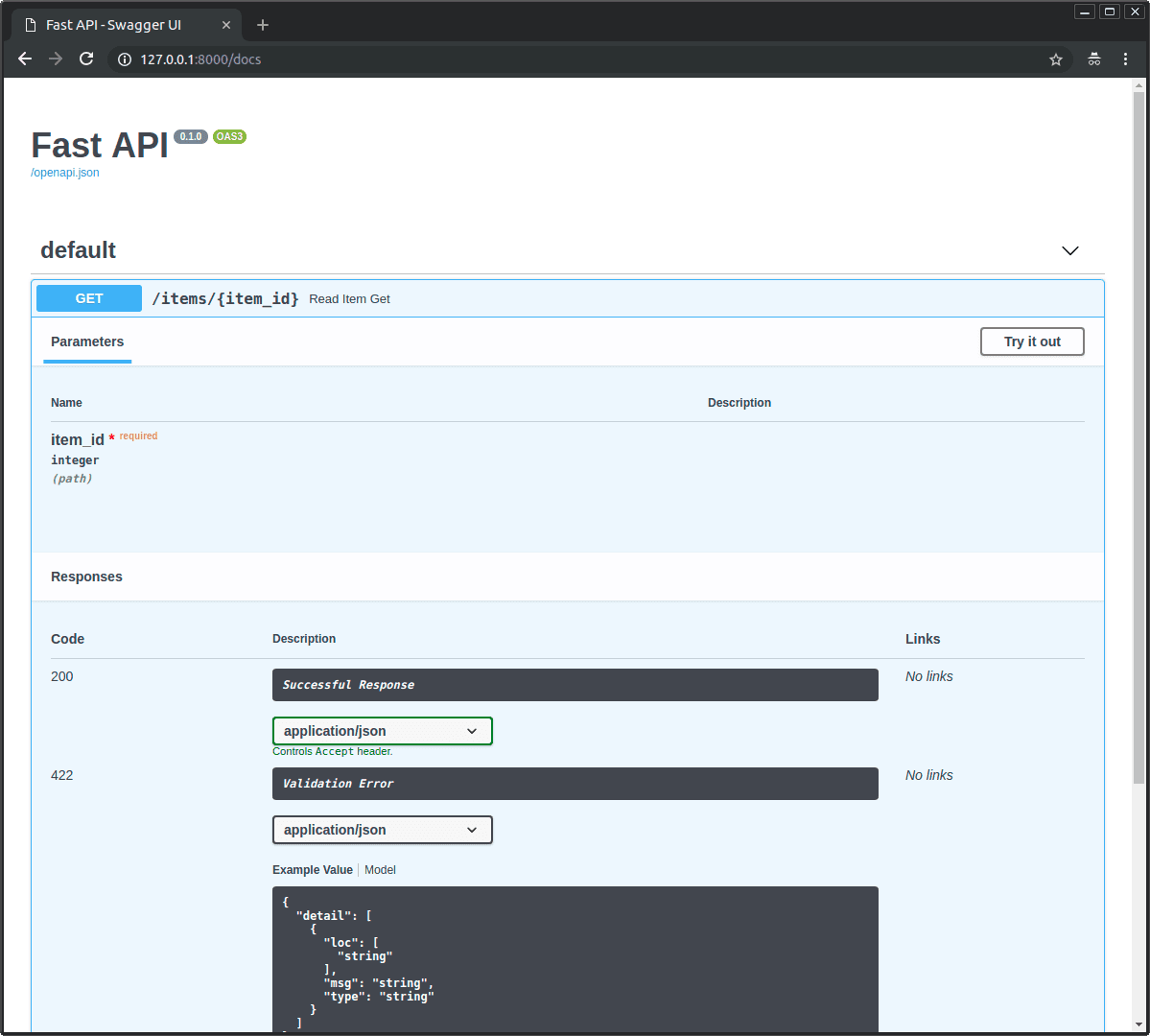
What is the :path converter in FastAPI?
Tests FastAPI routing semantics and URL segmentation. A strong answer states :path captures slashes across segments while plain str stops at the next slash, and cites file-serving as the use case.
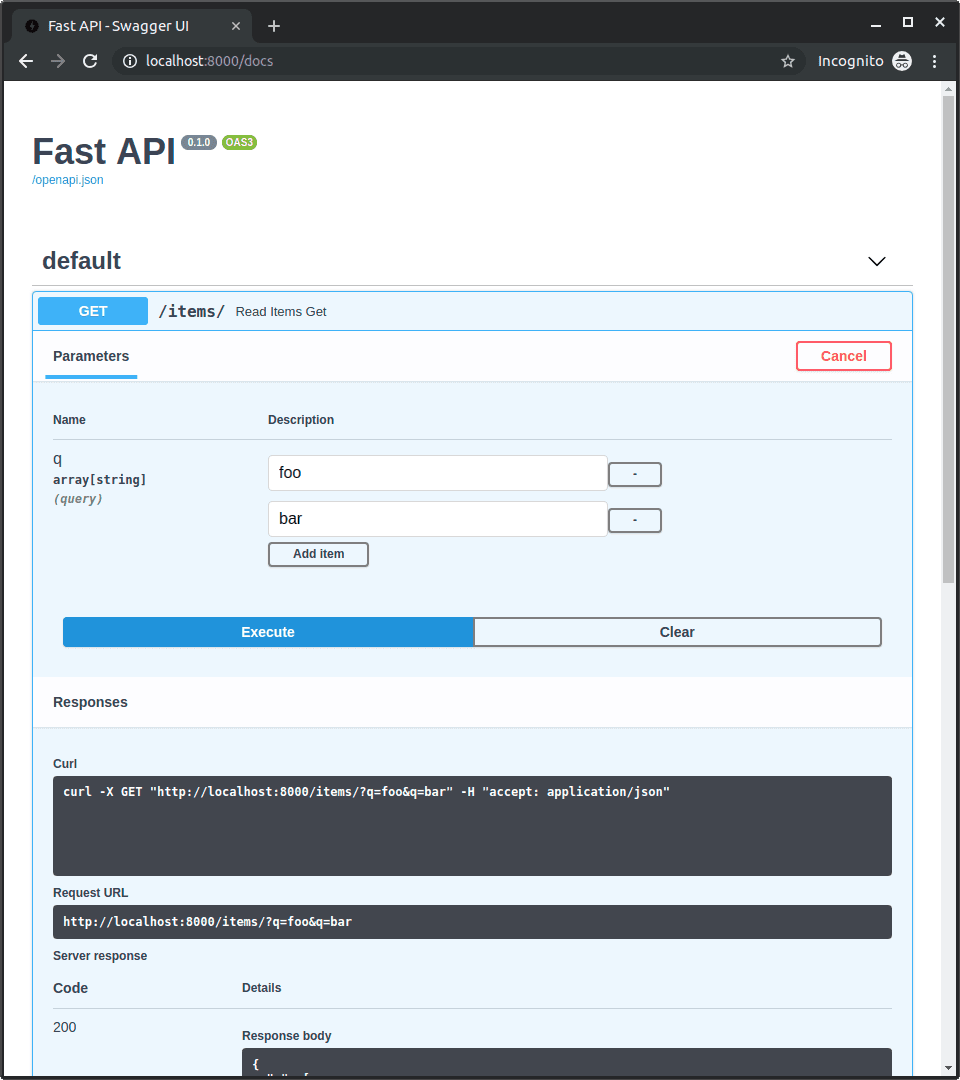
How do you type-hint repeated query params in FastAPI?
Tests FastAPI's Annotated pattern for multi-value query strings. A great answer uses Annotated[list[str], Query()] = [] to collect repeated keys, and notes the old Query-as-default alternative. Red flag: manual parsing or typing it as str.
FastAPI non-integer query param default behavior
Tests FastAPI's automatic Pydantic validation and default error contracts. Strong answer: 422 Unprocessable Entity with JSON detail array containing loc, msg, and type fields. Red flag: saying 400 Bad Request or manual validation is needed.
How do you define and access a FastAPI path parameter?
Tests FastAPI route-to-function binding. Good answer: curly-brace syntax in the decorator path, a matching typed function argument, and awareness that FastAPI auto-extracts and converts the value.
Create a generic Pydantic BaseModel for API response wrappers
Subclass BaseModel and Generic[T]; type data as T; use ResponseWrapper[User]; note unparametrized TypeVars validate as Any.

How does Uvicorn use asyncio to handle thousands of concurrent connections?
Tests async concurrency and the GIL. Great answers cover the event loop suspending coroutines at await, Uvicorn interleaving connections, and multi-process workers for parallelism. Red flag: claiming asyncio uses threads per request or bypasses the GIL.
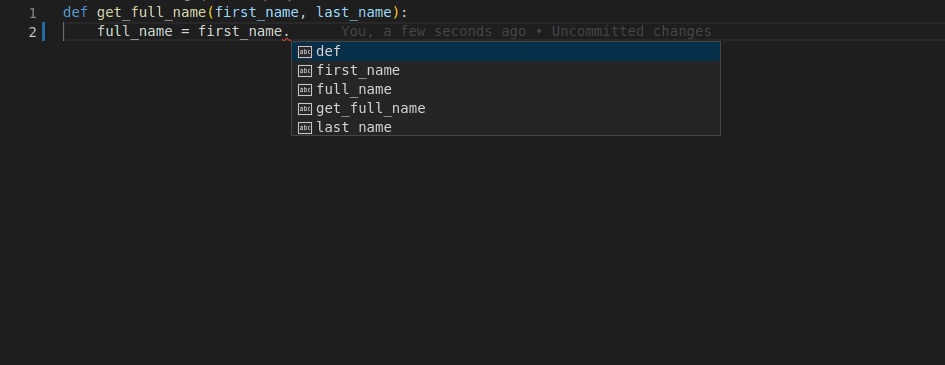
How does FastAPI leverage Pydantic for request validation and serialization?
This tests your understanding of FastAPI's declarative validation. Explain that type hints trigger auto-parsing, Pydantic enforces schemas and errors, and return types auto-serialize responses. Red flag: manually parsing request.body() or json.loads in routes.
Docker Compose for Local FastAPI Stacks
Docker Compose turns your laptop into a one-command datacenter. Define Postgres, Redis, and your FastAPI app in one YAML file and they boot as a networked stack.
Custom Field Serialization with @field_serializer
@field_serializer is an exit-only adapter for one field: it reshapes data leaving the Pydantic model without changing internals. Use it to format decimals, mask secrets, or tweak datetimes for FastAPI JSON. Never use it for validation; it only runs on output.
FastAPI Container Build and Deploy Pipeline
Treat the Docker image as the immutable artifact: one build runs everywhere. Deploy FastAPI workers behind a load balancer, one process per container. The footgun is baking secrets into the image or running multiple processes; that breaks horizontal scaling.
Overriding FastAPI's OpenAPI Generator
FastAPI lets you swap app.openapi to reshape its generated schema without forking. Use this for vendor extensions, filtered operations, or merging external schemas. Forgetting to cache the result means every docs request rebuilds it and destroys performance.
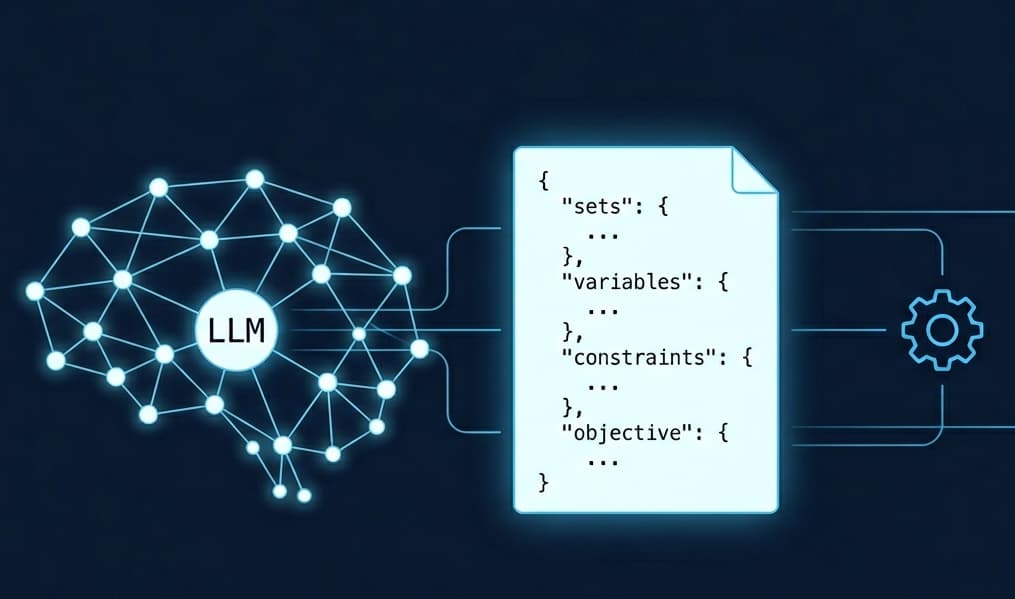
ORPilot JSON IR Ends Solver Lock-In
ORPilot's open-source IR captures optimization models as solver-agnostic JSON, letting teams swap solvers or update data without calling the LLM again. It separates model structure from solver syntax, making LLM-generated OR models reproducible in production.
How does a model registry differ from cloud storage like S3?
This tests model governance beyond raw storage. A strong answer contrasts storage with stage transitions, lineage, and ACLs, then lists metadata like metrics, dependencies, and schemas. A red flag is treating S3 folders with naming conventions as a registry.