Concepts in AI & ML, page 15
Mask R-CNN: Region-Based Detection
Mask R-CNN belongs to the R-CNN family core: selective search over CNN feature maps yields bounding boxes with object categories. Reusing convolutional features for localization, not just classification, is the win.

Autoscaling ML Inference Endpoints
Autoscaling matches your ML model's compute to real-time demand, like an elastic container for your inference service. It handles spiky traffic for online endpoints, scaling up for peaks and down to save costs.
Human Evaluation: Judging AI When Metrics Aren't Enough
Human evaluation is the ultimate reality check for AI, using people to judge qualities like fluency and coherence that automated scores can't capture. It's essential for tasks like summarization but is too slow and costly to use for everything.
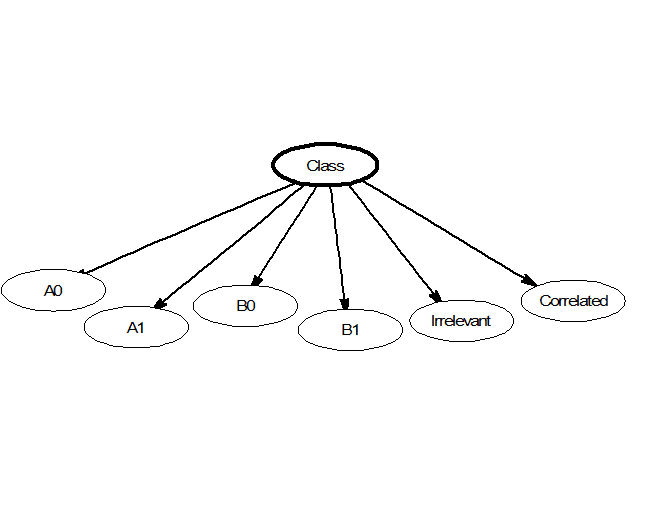
Naive Bayes: Fast Classification by Assuming Independence
Naive Bayes classifies data by assuming its features are unrelated, like judging a fruit's type by color and shape independently. This makes it fast for tasks like spam filtering or real-time predictions. Its core 'naive' assumption is almost always wrong.
BentoML: Packaging Models for Production APIs
BentoML is a standardized shipping container for your ML models, packaging them into production-ready API endpoints. Use it to deploy LLMs or RAG systems without managing complex infrastructure. Its focus is purely on inference, not model training.
Hierarchical Clustering: Building a Family Tree for Data
Hierarchical clustering builds a family tree of your data, not just a single set of groups. It's used when you don't know the number of clusters beforehand, like in biology or market segmentation. The main footgun: early merges are final and can't be undone.
Conditional Random Fields: Labeling with Context
A Conditional Random Field (CRF) makes predictions that know their neighbors, enforcing that nearby pixels in an image get similar labels. It cleans up raw segmentation outputs by considering local context.
Model Pruning: Making ML Models Smaller and Faster
Model pruning is like trimming a bonsai tree; you remove the least important weights to create a smaller, faster model. It's essential for running large models on devices like smartphones, but over-pruning can irreversibly damage accuracy.
Inception Score: Judging AI Art for Quality and Variety
Inception Score judges an AI image generator on quality and variety, using a classifier to check if images are distinct and the overall set is diverse. Its main footgun is that it only measures what another AI can classify, not what a human finds appealing.

Regularization: Penalizing Complexity to Prevent Overfitting
Regularization is a complexity tax on a machine learning model, forcing it to favor simpler patterns over memorizing training data. It's used to prevent overfitting in models like neural networks, improving their performance on new, unseen data.
Frame Differencing: The Simplest Way to See Motion
See motion by subtracting one video frame from the next; what's left over is what moved. This is used for simple motion detection but is easily fooled by lighting changes or camera shake, which it misinterprets as movement.
Model Compilation: Bridging Models and Hardware
An ML compiler translates a model's abstract math into optimized instructions for specific hardware. This lets you run the same model efficiently on cloud GPUs, mobile CPUs, or edge devices.
Random Forest: Many Weak Learners Make One Strong Model
A random forest asks a crowd of simple decision trees for a prediction and takes the majority vote. This ensemble approach is used for classification and regression, correcting for a single tree's tendency to overfit. The footgun is its lower interpretability.
Background Subtraction: Finding What's Moving in Video
Think of a security camera that has memorized the empty room. Background subtraction digitally 'subtracts' this static view from the live feed, leaving only moving objects. It’s used to spot intruders or count cars, but fails if the background itself changes.
HellaSwag: A Benchmark Designed to Fool LLMs
HellaSwag is a commonsense benchmark designed to fool language models. It asks an AI to pick the most logical sentence ending, but the wrong answers are specifically generated to trick machines, not humans. It's used to test for true contextual understanding.
Ensemble Learning: Bagging vs. Boosting
Ensemble methods combine multiple weak models into one strong one, like a committee outperforming a single expert. Bagging reduces variance; Boosting reduces bias. The footgun: Boosting can overfit noisy data by trying to model the noise itself.
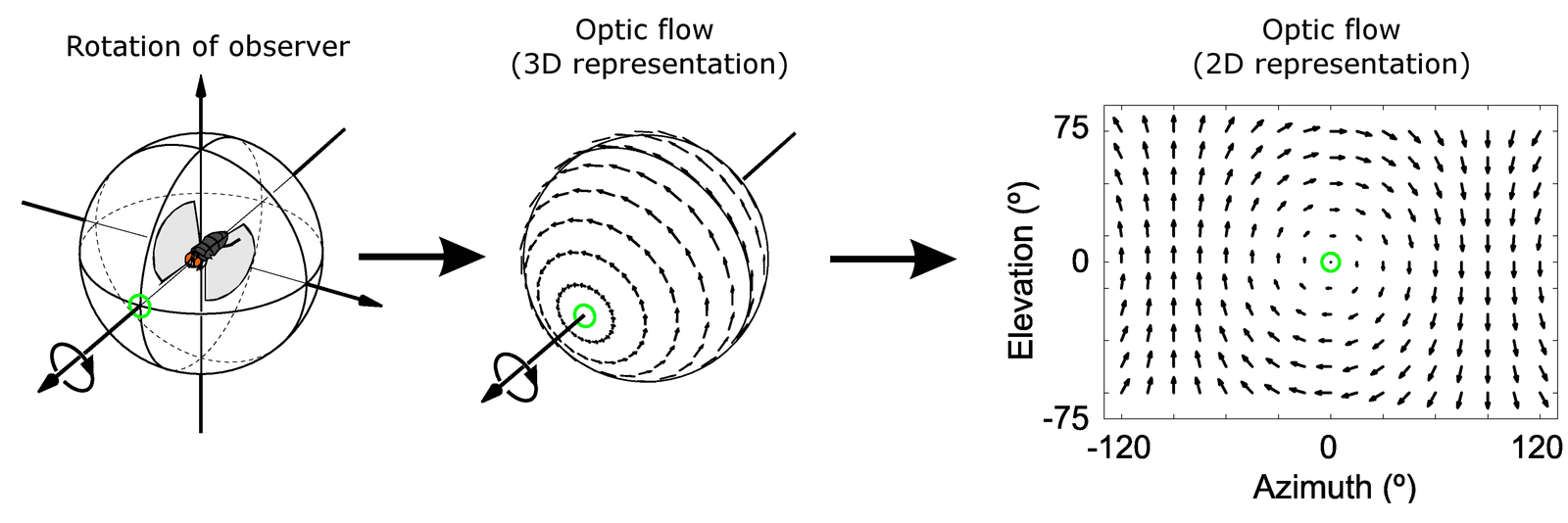
Optical Flow: Tracking Motion by Watching Pixels
Optical flow tracks motion by watching how brightness patterns move between video frames. It's used for video compression and robot navigation. The main footgun is that it can mistake lighting changes, like a shadow moving, for actual object motion.
Multi-Model Serving: Packing More Models into Less RAM
Multi-model serving is a carpool for your ML models. Instead of one server per model, you pack many into a single process to share resources and cut costs. It's ideal for serving many models with intermittent traffic.
BERTScore: Judging AI Text on Meaning, Not Just Words
BERTScore evaluates AI-generated text by comparing its meaning to a reference, not just matching words. It's used to score machine translation or summarization where phrasing can vary.
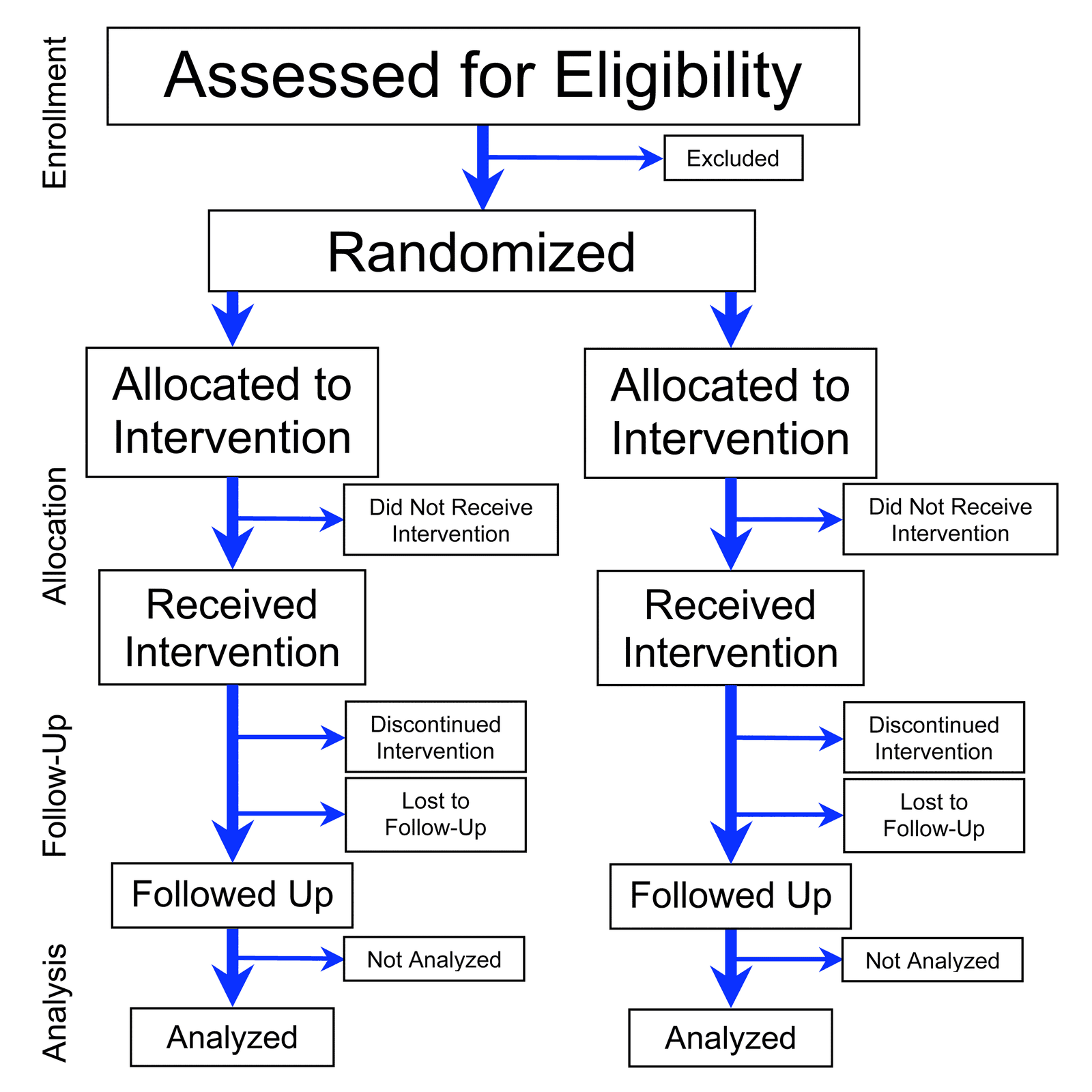
Randomization: Defeating Bias with Chance
Randomization uses chance to assign subjects to groups, isolating the effect you're testing from hidden variables. It's the foundation of A/B tests and clinical trials. The footgun is confusing 'haphazard' selection with true, unbiased randomization.
We are hiring for this. Every open role lists the topics its interview covers, so you can prepare for the real thing rather than guessing.
See open roles