Intermediate interview questions in AI & ML
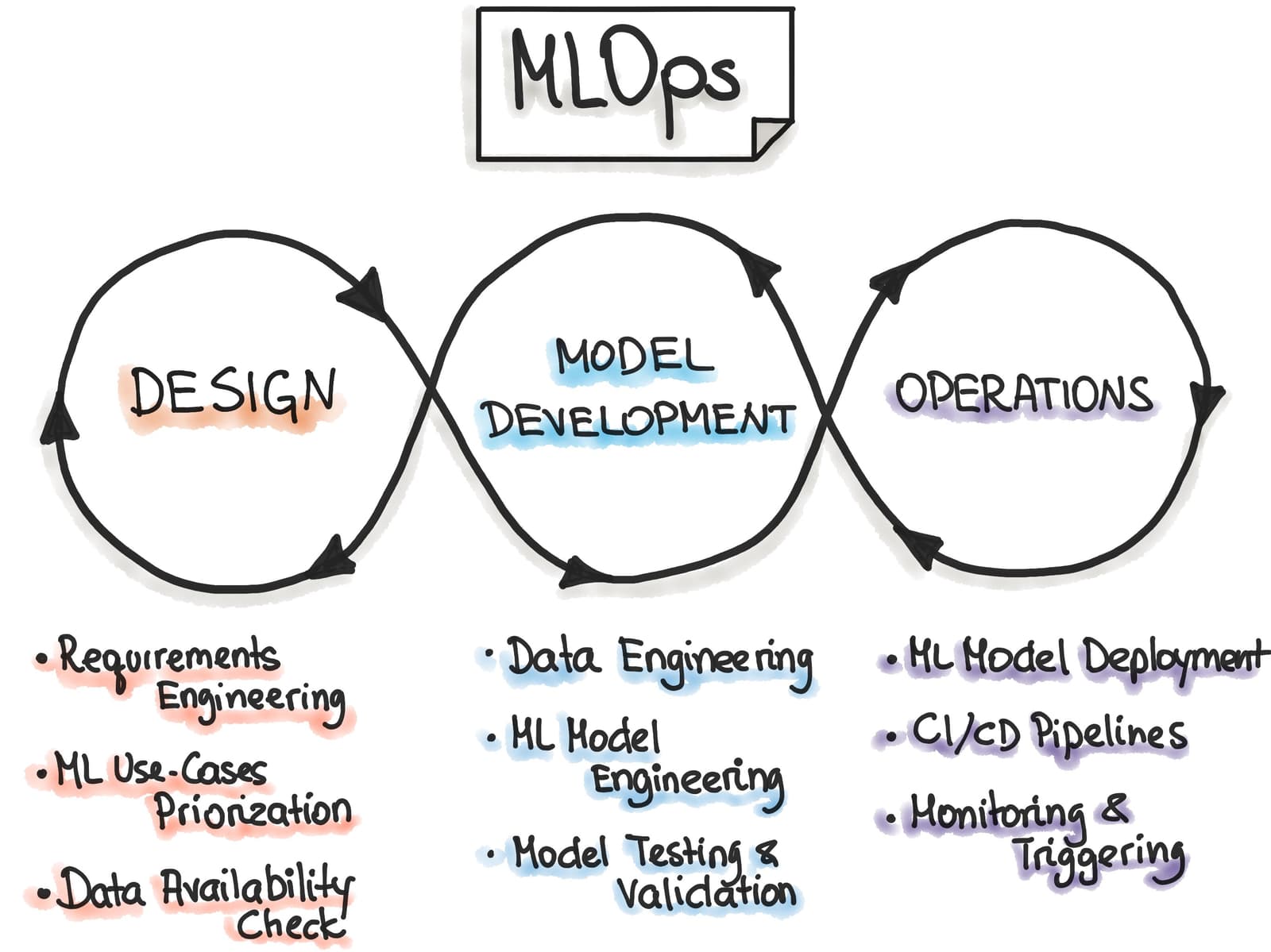
Why version code, data, and models in MLOps?
Tests immutable lineage across code, data, and models. Strong answers cover content-addressed data, git commits, a model registry linking both, and CI triggers on any change. Red flag: saying git alone handles data and models.
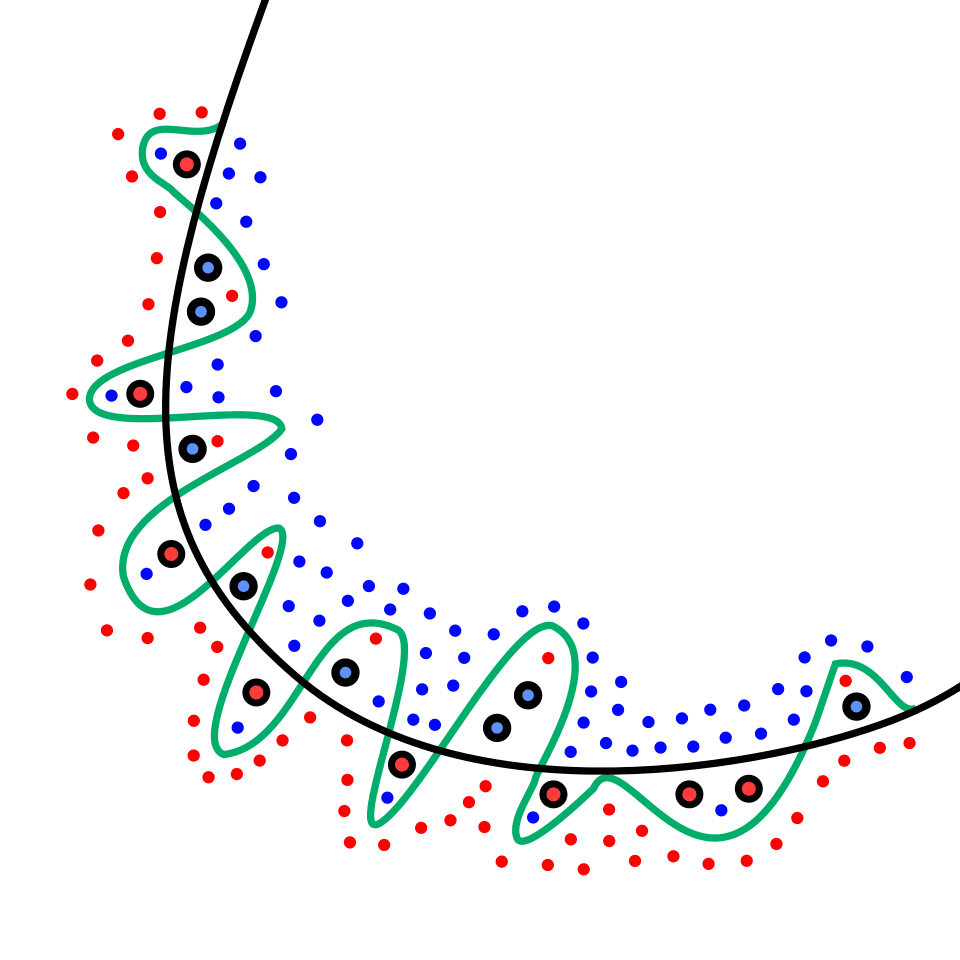
Validation loss increases while training loss decreases: what is this?
This tests recognition of overfitting and regularization. A strong answer names it, offers early stopping, dropout or weight decay, and data augmentation or more data. A red flag is suggesting longer training or more parameters without fixing generalization.
How do you define churn for a subscription service?
This tests operationalizing a business metric into a data definition. A strong answer separates voluntary from passive churn, picks a moment, and aligns to the billing cycle. Red flag: counting all cancellations as churn while ignoring grace periods.
Explain ML pipelines and typical CI/CD/CT components
Tests if you separate code CI/CD from model CT and grasp ML automation. Cover source control, build, tests, deploy for code; data validation, training, evaluation, promotion for CT. Red flag: treating ML like software CI/CD and ignoring data or registry gates.
Explain BPTT and its computational and memory challenges for long sequences
Tests whether you see RNNs as deep unrolled graphs. Good answers define BPTT as backprop over T steps, flag O(T) memory from hidden states, and note vanishing or exploding gradients. Red flag: calling memory constant or confusing BPTT with online updates.
How would you recommend launching a checkout flow with mixed A/B metrics?
This tests multi-metric trade-offs. A strong answer tags conversion as success and AOV as a guardrail, estimates net revenue impact, and frames decision as a risk-managed business choice. A red flag is demanding all metrics win or ignoring business context.

Explain the pinhole camera model and intrinsic matrix K
Tests projective geometry and mapping sensor properties to K. Good answers derive perspective projection via similar triangles, list fx, fy, cx, cy, skew, and explain pixel scaling. Red flag: mixing intrinsics with extrinsics or saying K includes distortion.
Lens distortion and camera calibration
Radial distortion bends straight lines (barrel/pincushion), tangential comes from lens-sensor misalignment; calibrate with a known pattern to estimate intrinsics and distortion coefficients.
Attention in Sequence-to-Sequence Models
Attention computes per-step weighted sums over all encoder states, fixing the information bottleneck for long inputs.
What production metrics and auto-thresholds trigger model retraining?
This tests production monitoring maturity. A strong answer covers technical drift metrics, business KPIs tied to model decisions, and automated thresholds that page or trigger CI/CD retraining.

How do you frame high-value customer identification as classification versus regression?
Tests mapping a business goal to a defensible target. Outline: define value and action, then contrast regression predicting spend versus classification predicting tiers. Red flag: picking models before fixing the label or the campaign action.
How does a Bayer filter capture color and what is demosaicing?
This tests CFA sampling tradeoffs. The answer covers the RGGB mosaic, demosaicing as interpolation of missing channels, and moire or zippering artifacts. A red flag is believing pixels capture full RGB natively or that demosaicing is only averaging.
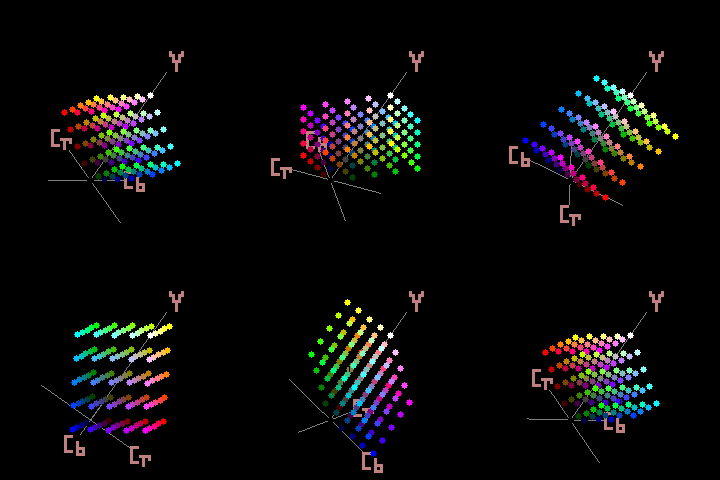
Compare YCbCr and RGB. Why chroma subsampling for compression?
Tests color decorrelation and perceptual redundancy. Contrast correlated RGB with YCbCr's luma-chroma split; eyes resolve brightness better than color, so 4:2:0/4:2:2 cuts chroma bandwidth ~50-75% with little loss.
Explain Q, K, and V matrices in self-attention
This tests the information-retrieval intuition behind self-attention. Cover that Q, K, V are linear projections of one input; Q requests, K indexes, V supplies content; scores weight a sum of V.
Why Multi-Head Attention
Multiple heads attend to different subspaces and relations in parallel, which one big head averages away.
What is masked in decoder self-attention and why?
Future positions are masked so token i attends only to prior tokens. This prevents cheating during parallel teacher-forced training when the full target is visible.
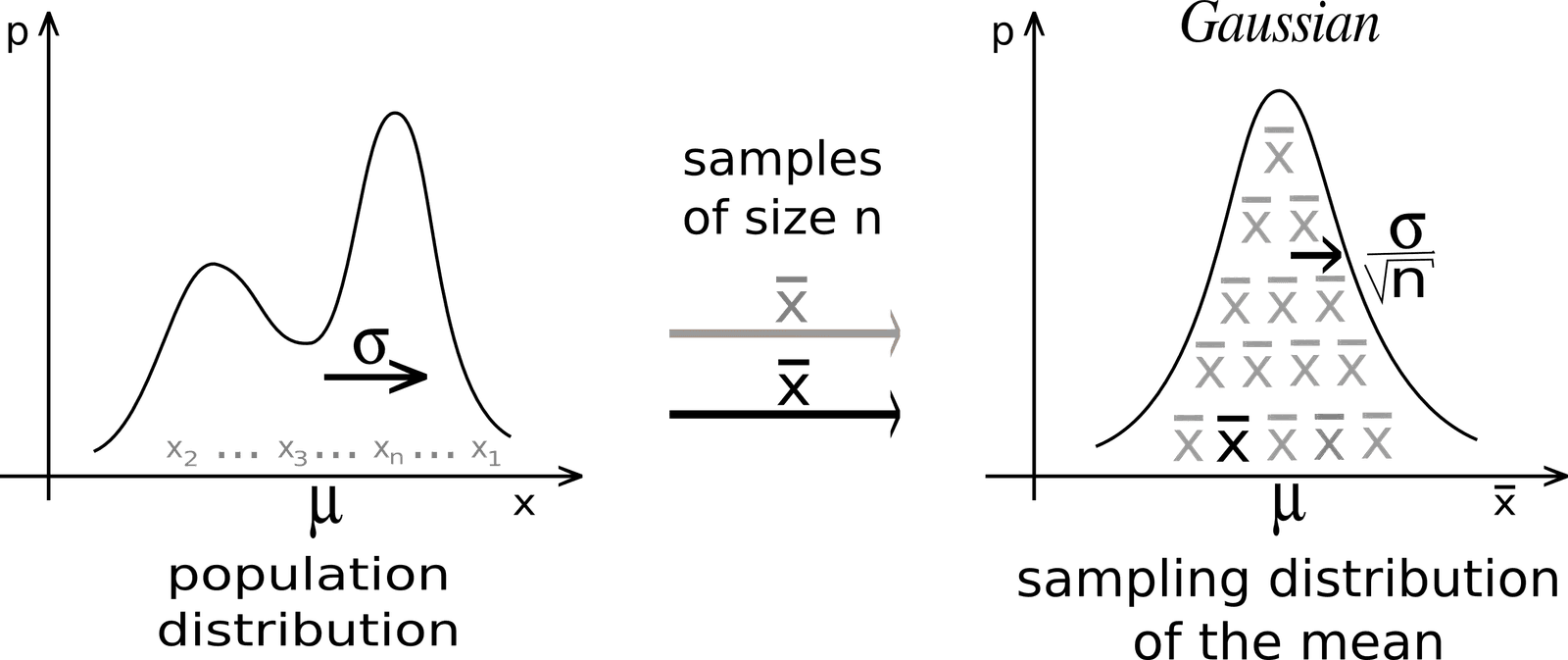
Explain the Central Limit Theorem and its importance for hypothesis testing
This tests whether you know why sample means from skewed populations tend toward normal as size grows, enabling tests. A strong answer covers mean convergence to normal and standard error. Red flag: claiming the CLT works for small samples or single points.
Versioning a 10TB dataset as code
Treat data like code via content-addressed pointers in Git while bytes live in object storage; dedupe by hashing so versions share unchanged files.
Removing salt-and-pepper noise
Use a median filter; it replaces a pixel with the neighborhood median so extreme outliers are discarded.

Describe the bias-variance tradeoff and how model complexity affects bias and variance
More complexity cuts bias but boosts variance via overfitting; test error forms a U.
We are hiring for this. Every open role lists the topics its interview covers, so you can prepare for the real thing rather than guessing.
See open roles