Advanced concepts in Backend Dev, page 6
E2E Testing: The Final Check, Not The Whole Strategy
E2E testing is a dress rehearsal for your app, simulating a full user journey. Use it sparingly for critical flows like checkout, as it tests all services together. The footgun is over-reliance: they are slow, brittle, and hard to debug.
Rust Build Profiles: Tune for Speed vs. Debugging
Rust build profiles are presets for the compiler, trading off compile time and debuggability for runtime speed. Use the dev profile for quick iteration and the release profile for production. The footgun is benchmarking without the --release flag.
Nock: Intercept and Mock Node.js HTTP Requests
Nock acts like a fake switchboard for your Node.js app's outgoing HTTP calls, redirecting them to pre-defined responses. This lets you unit test code that relies on external services, making tests fast, deterministic, and offline-capable.
Mocking with Pytest's monkeypatch
Pytest's monkeypatch is a temporary stunt double for your code, safely swapping out functions or environment variables for a single test. Use it to isolate tests from network calls or filesystem access.
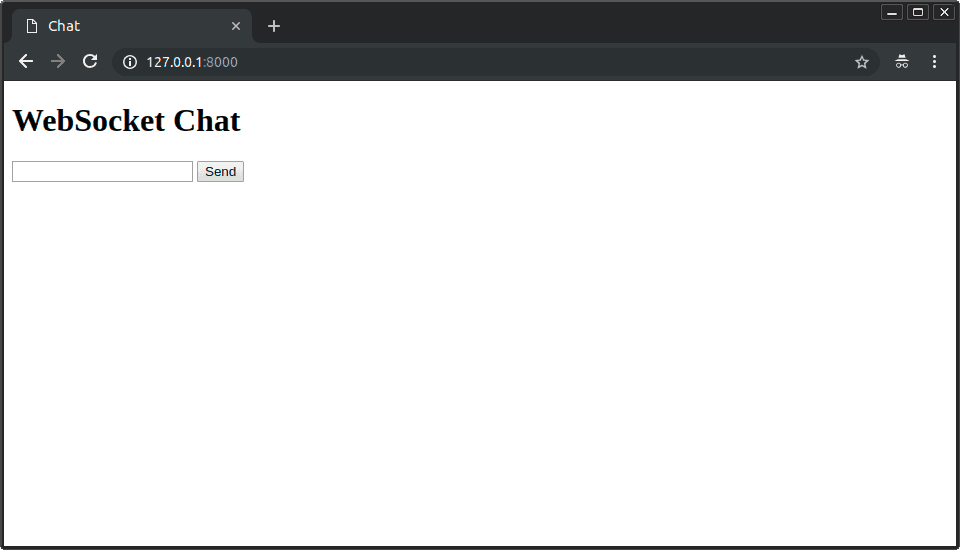
Testing WebSockets in FastAPI
Test a WebSocket conversation by scripting both sides. FastAPI's TestClient provides a websocket_connect context manager to send messages and assert responses sequentially, which is crucial for testing chats or live data feeds.
NewSQL: SQL Scalability Without Sacrificing ACID
NewSQL databases aim for NoSQL's horizontal scaling with the ACID guarantees of a traditional relational database. They suit high-throughput OLTP systems, like e-commerce, that must scale out. The footgun is assuming they are a simple drop-in replacement.
Google Cloud Spanner: A Globally Distributed SQL Database
Spanner is a globally distributed SQL database that scales like NoSQL but keeps the strong consistency of a relational database. Use it for global applications like financial ledgers that need ACID transactions across continents.

CockroachDB: A SQL Database That Survives Disasters
CockroachDB is a distributed SQL database designed to be unkillable. Use it for global apps needing strong consistency and high availability, like financial ledgers or identity systems. The footgun: ignoring network latency between nodes can kill performance.
I/O Stream Abstractions
I/O stream abstractions like Go's io.Reader and io.Writer model data as a flow of bytes behind a tiny interface, so files, sockets, buffers and encoders compose interchangeably without each one knowing the others' concrete type.
Go's `context` Package: Propagating Cancellation and Deadlines
Go's context package is a lifeline for requests, carrying cancellation signals, deadlines, and values across function calls and goroutines. It's essential for I/O-bound operations to prevent resource leaks.
Foreign Function Interface (FFI): Calling Other Languages
Think of an FFI as a universal adapter, letting your program call functions written in another language. It's how modern code in Rust or Go can reuse battle-tested C libraries for tasks like graphics or system calls, avoiding a complete rewrite.
Overriding FastAPI's OpenAPI Generator
FastAPI lets you swap app.openapi to reshape its generated schema without forking. Use this for vendor extensions, filtered operations, or merging external schemas. Forgetting to cache the result means every docs request rebuilds it and destroys performance.
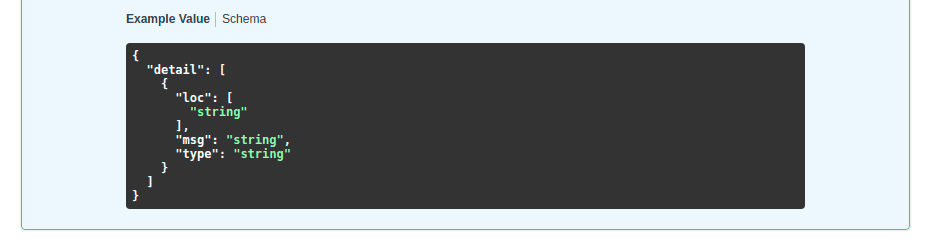
Customizing FastAPI's Swagger UI Behavior
Treat FastAPI's Swagger UI as a configurable frontend, not a static page. You can customize its behavior by passing a dictionary of settings on app startup. This is useful for changing themes or pre-filling auth fields. The footgun: keys must be camelCase.
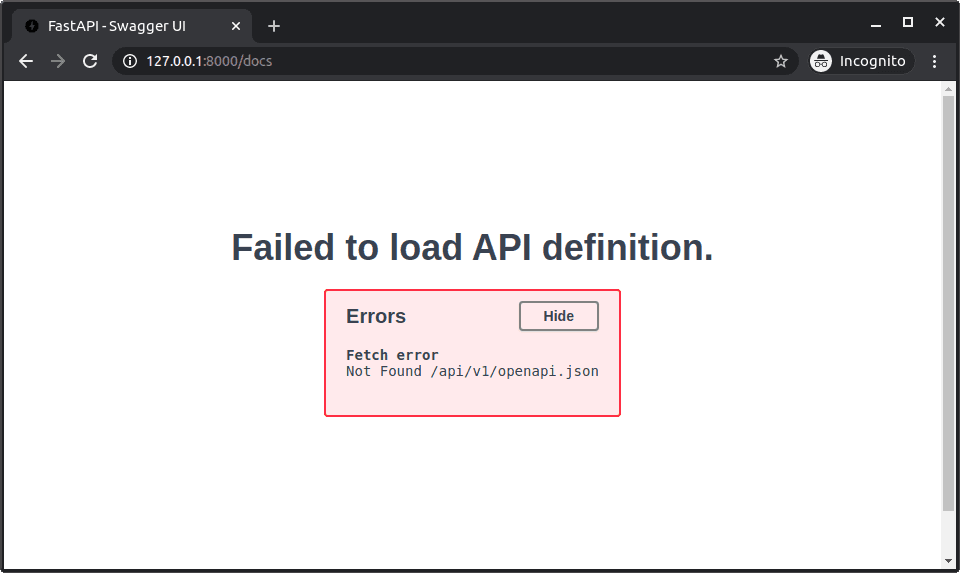
FastAPI Behind a Reverse Proxy: Fixing Docs URLs
A reverse proxy can hide the full URL from your FastAPI app, breaking OpenAPI docs. Tell your app about the proxy's path prefix by setting the root_path during initialization to ensure all generated URLs are correct.

SharedArrayBuffer: True Shared Memory for JS Threads
SharedArrayBuffer is a shared whiteboard for JS threads, letting them access the same memory without slow data copies. It's used for high-performance parallel tasks. The footgun: without Atomics to coordinate, you'll get race conditions and corrupted data.
Go Fuzz Testing: Automated Bug Discovery
Go's fuzz testing automatically generates strange inputs to crash your code, finding bugs you'd never think to test. It's ideal for stress-testing parsers or security-sensitive functions.
Approximate Nearest Neighbor (ANN) Search: Good Enough, Fast Enough
ANN search finds 'pretty close' neighbors in a massive dataset for a fraction of the cost of finding the exact closest one. It powers vector databases and semantic search.
FastAPI's WebSocket State Machine
FastAPI manages WebSockets with a state machine, tracking client and application states separately. You must explicitly accept() a connection before communicating. This is key for chat or notification features.
V8's Garbage Collector: A Performance Pillar
V8's garbage collector is a key to its speed, using a "stop-the-world, generational, accurate" approach to reclaim memory. This runs automatically in Node.js and Chrome, but its pauses can impact performance.
Fuzz Testing in Rust with cargo-fuzz
Fuzz testing automatically finds bugs by feeding your code pseudo-random inputs. Use cargo-fuzz to stress-test parsers and APIs that handle untrusted data. The main footgun is assuming random bytes are enough; effective fuzzing needs structure-aware inputs.
We are hiring for this. Every open role lists the topics its interview covers, so you can prepare for the real thing rather than guessing.
See open roles