Easy concepts in Backend Dev, page 2

Entity-Relationship Diagrams: A Blueprint for Your Data
An Entity-Relationship Diagram (ERD) is a blueprint for a database, showing what you're storing and how it connects. It's used before writing code to design a relational database schema. The main footgun is designing the model to match the UI, not the data.
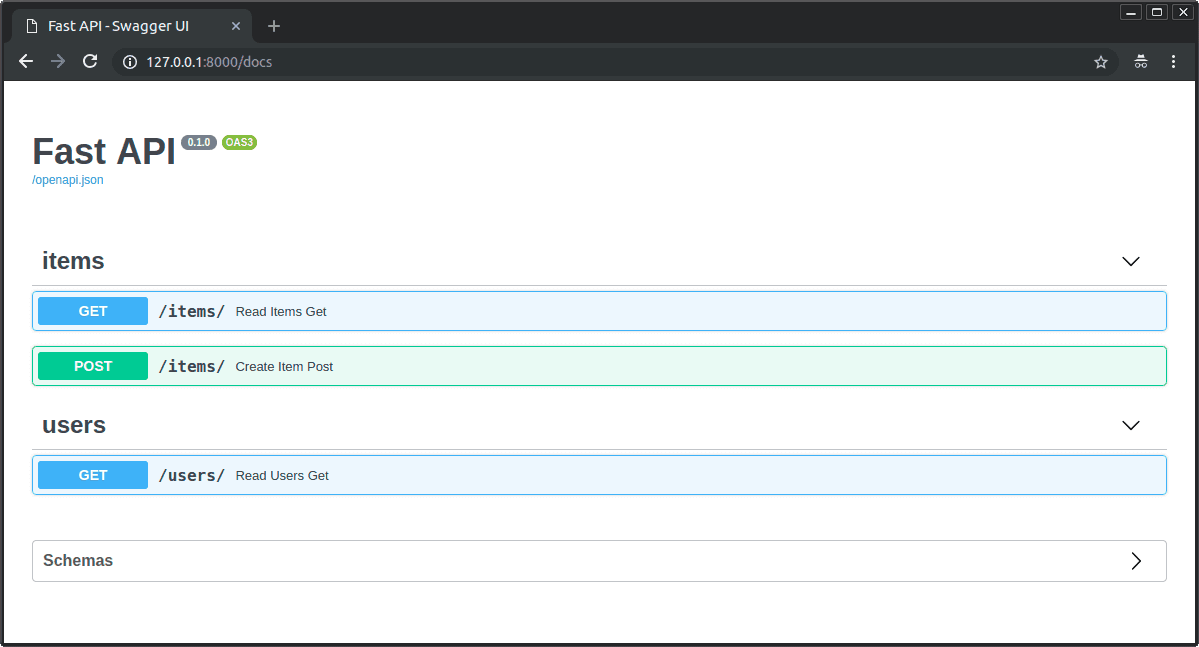
FastAPI: Configure Endpoints with Decorators
FastAPI's path operation decorators configure an endpoint's metadata and behavior. Use them to set status codes (status_code=201), group endpoints with tags, or mark them as deprecated.

npm Scripts: Your Project's Command-Line Shortcuts
Think of npm scripts as aliases for your project's common command-line tasks, stored in package.json. Use them to run build tools, start servers, or execute tests. The main footgun is forgetting npm run for custom scripts like lint or build.
First Normal Form (1NF): No Nested Data
First Normal Form (1NF) means every table cell holds one single value, not a list. It's the first rule of relational databases, stopping you from storing comma-separated strings. The footgun is stuffing multiple values into one field, which breaks SQL queries.
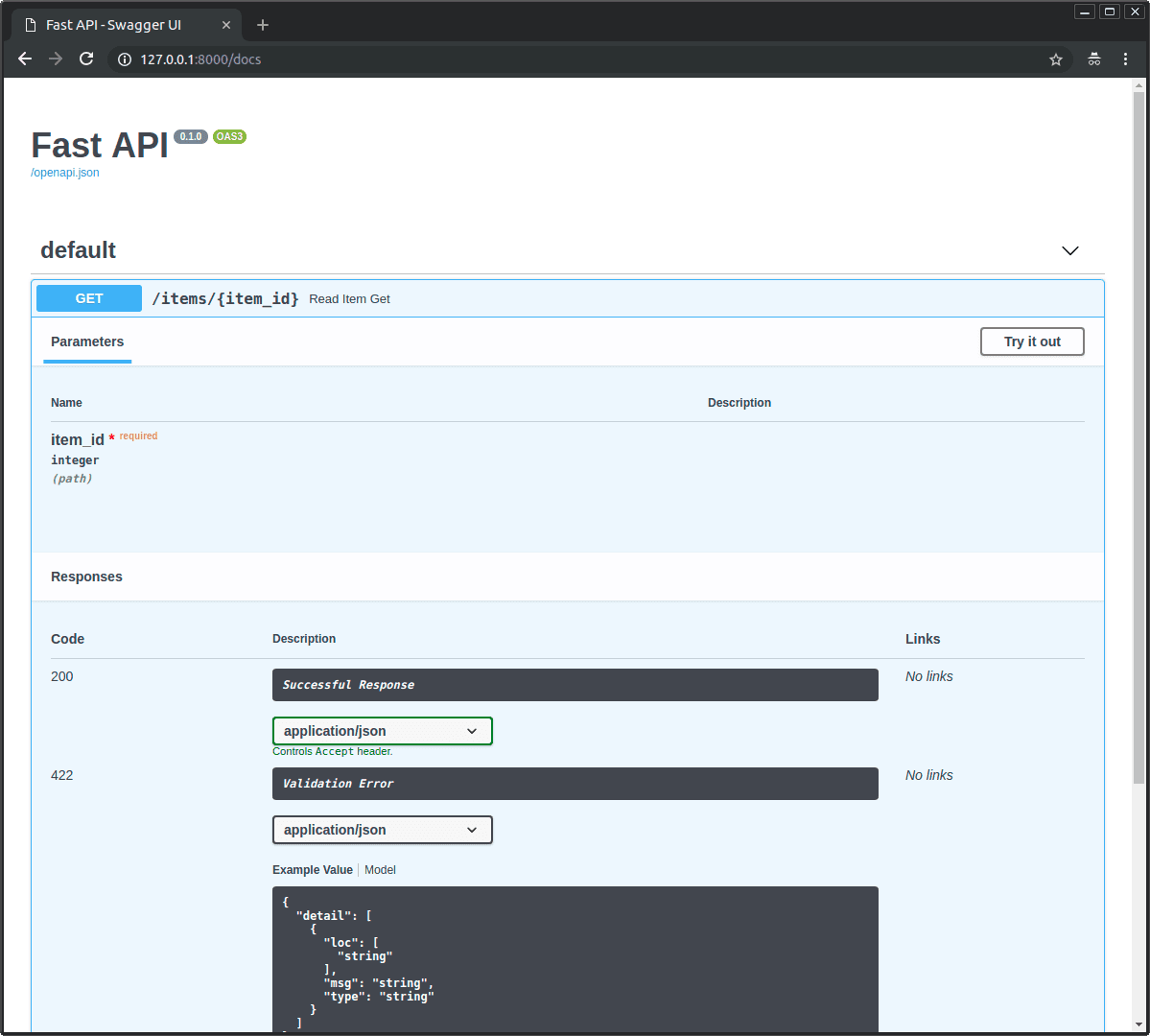
Path Parameters: Turning URL Parts into Variables
Path parameters turn parts of a URL, like /users/123, into typed function arguments. FastAPI uses this to create endpoints for specific resources, like fetching a user by their ID. The footgun is forgetting type hints; without int, 123 is just a string.
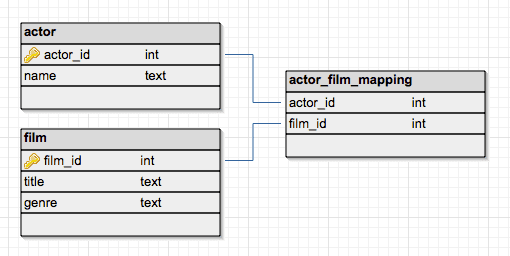
Junction Table: Connecting Many to Many
A junction table is a bridge between two other tables, enabling a many-to-many relationship. It's used to connect students to classes or tags to articles. The common footgun is forgetting a unique constraint, allowing duplicate connections.
FastAPI Query Parameters: Beyond the URL Path
In FastAPI, function arguments not in the URL path become query parameters—the optional key-value pairs after a URL's ?. Use them for filtering or pagination, like /items?skip=0&limit=10. The footgun: omitting a default value makes the parameter required.
Uvicorn Workers: Scaling Your FastAPI App
Uvicorn workers are like adding cashiers to a store. Instead of one process handling all requests, you run multiple, letting your FastAPI app use all CPU cores to serve more users concurrently.
Go Maps: Your Built-in Hash Table
Go maps are the language's built-in hash tables for fast key-value lookups. Use make(map[K]V) to initialize one before writing. The biggest footgun is writing to a nil map, which causes a runtime panic. Always initialize your maps first.
Rust Vectors: Your Go-To Growable List
A Vec<T> is Rust's smart, growable array. It automatically gets more memory when full, keeping items together for fast access. Use it for lists of unknown size. The footgun: frequent reallocations can be slow if you don't pre-allocate capacity.
Rust HashMap: Fast, Secure Key-Value Storage
A Rust HashMap is like a dictionary, mapping unique keys to values for fast lookups. Use it for caching or frequency counting. The footgun: never modify a key after insertion, as changing its hash will break the map's internal logic.
Node.js Callbacks: Functions That Run Later
A callback is a function you pass to run later when an event fires or work finishes, keeping Node.js free to handle other work. HTTP servers use them to respond to connections without blocking.
Lock Now or Check Later: Optimistic vs. Pessimistic Concurrency
Pessimistic concurrency locks data first, assuming conflict is likely ('ask permission'). Optimistic concurrency proceeds without locks and checks for conflicts before saving, assuming they're rare ('ask forgiveness'). Use pessimistic for high-contention.

JavaScript Promises: Handling Future Values
A Promise is an IOU for a future value from an async operation. Instead of blocking your code, you get an object that will eventually contain the result or an error. They're essential for API calls or file reads.
Write-Ahead Logging (WAL): Survive Crashes by Journaling First
Think of it as a journal of intentions. Before changing data, a database writes the intended change to a log file first. This ensures that if the system crashes, it can recover by replaying the log, guaranteeing no writes are lost.
Database Transaction Log: Your System's Safety Net
A transaction log is your database's safety journal. Before changing data, it records the intended action in a durable file. This is vital for crash recovery, ensuring data isn't left corrupt. The footgun: its primary role is integrity, not just auditing.

Shared & Exclusive Locks: The Read vs. Write Rule
A Shared (S) lock is like many people reading a library book at once; an Exclusive (X) lock is one person writing in it alone. Databases use S/X locks to manage concurrency, preventing writes from corrupting reads.
Pydantic: Required vs. Optional Fields
In Pydantic, a field is required by default. To make it optional, you must provide a default value, like name: str = "guest" or age: int | None = None. This is key for flexible API request bodies.
FastAPI: Handling Form Data, Not Just JSON
FastAPI can handle classic HTML form data, not just JSON. Use Form to define expected fields in your endpoint, just like query parameters. It's ideal for login pages. The footgun: forgetting to pip install python-multipart will break form parsing.
Creating a Basic HTTP Server in Node.js
A Node.js HTTP server is a listening post that waits for requests on a port and runs your code to reply. It's the foundation for any web service, from simple APIs to full apps. The footgun: forgetting response.end() leaves the client hanging indefinitely.
We are hiring for this. Every open role lists the topics its interview covers, so you can prepare for the real thing rather than guessing.
See open roles