Easy concepts in Backend Dev, page 3
Rust Crates: Your Unit of Compilation
A crate is the smallest unit of code the Rust compiler handles—either a runnable program (binary) or a shareable library. A package, defined by Cargo.toml, bundles one or more crates. The footgun: a package can have many binaries but only one library.
Query Execution Plan: The Database's Road Map
A query execution plan is the database's internal strategy for fetching your data. It's the recipe it creates before running your SQL. This plan determines whether to use an index or scan a whole table, directly impacting performance.
Declaring Request Headers in FastAPI
Treat request headers like any other parameter in FastAPI. Declare them in your function signature to access values like User-Agent or X-Token. FastAPI automatically converts hyphens to underscores, so User-Agent is accessed via the user_agent…
Node.js File I/O: Synchronous vs. Asynchronous
Synchronous file I/O blocks your app, like waiting at a counter for your order. Asynchronous I/O gets a buzzer, letting your app work on other tasks. Use async for servers and sync for simple, one-off scripts. The footgun is using sync I/O in a server.
Rust Modules: Your Code's File System
Think of Rust modules as a file system for your code, grouping logic and hiding details. You declare them with mod, and Rust finds the code in corresponding files. The footgun: items are private by default, so you must use pub to expose them.
B-Tree: The Workhorse of Database Indexes
A B-tree is a self-balancing tree that keeps data sorted for fast lookups, generalizing a binary search tree by allowing nodes to have many children. It enables searches, insertions, and deletions in logarithmic time, making it ideal for large datasets.
FastAPI: Reading Request Cookies
FastAPI treats request cookies like any other parameter. Declare them directly in your endpoint's function signature using Cookie(), and the framework will extract the value for you. Use this for reading session IDs or user preferences.
__dirname and __filename: Path Anchors in Node.js
__dirname and __filename act as GPS for your Node.js files, giving you the absolute path to the current file and its directory. This is essential for reliably loading adjacent files, like templates or configs. The main gotcha: they don't exist in ES Modules.
Go's Entry Point: The `main` Package and Function
A Go program's entry point is package main. The compiler finds this package and its main() function to create a runnable binary. The footgun is naming a library main; this name is reserved for executables and will cause build confusion.

Row Mode vs. Batch Mode Execution in SQL Server
Row mode processes data one row at a time, like a checklist. Batch mode processes chunks of rows together for vectorized speed. Row mode is classic for OLTP, while batch mode shines in data warehousing for large scans.
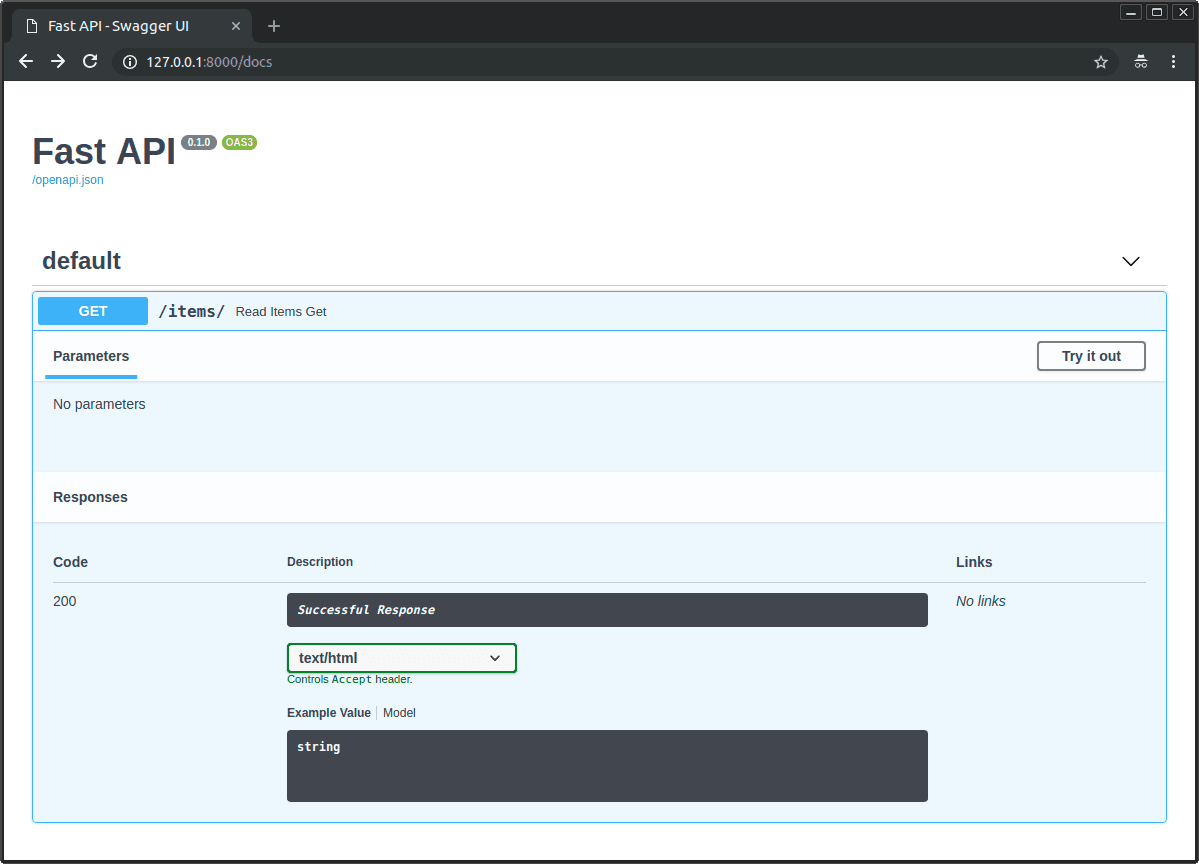
FastAPI: Returning HTML with HTMLResponse
Override FastAPI's default JSON output by using HTMLResponse to return a raw HTML string directly from an endpoint. It's for simple status pages or server-side rendered components.
Node.js os Module: Reading Your System's Vital Signs
The Node.js os module is your app's dashboard for the host machine's vitals. Use it to check CPU cores, free memory, or platform type to adapt your code. The footgun is assuming consistency; system details can vary wildly between environments.
Storage Engine: The Database's Filing System
A database's storage engine is its specialized filing system, handling how data is physically written to and read from disk. Different engines optimize for different tasks, from fast writes to complex queries.
Row vs. Columnar Storage: Organizing Data for Speed
Row stores group data by record, like a phone book entry. Column stores group by attribute, like separate lists for all names. Use row stores for transactions (OLTP), but for analytics (OLAP), they force you to read unneeded data from disk.
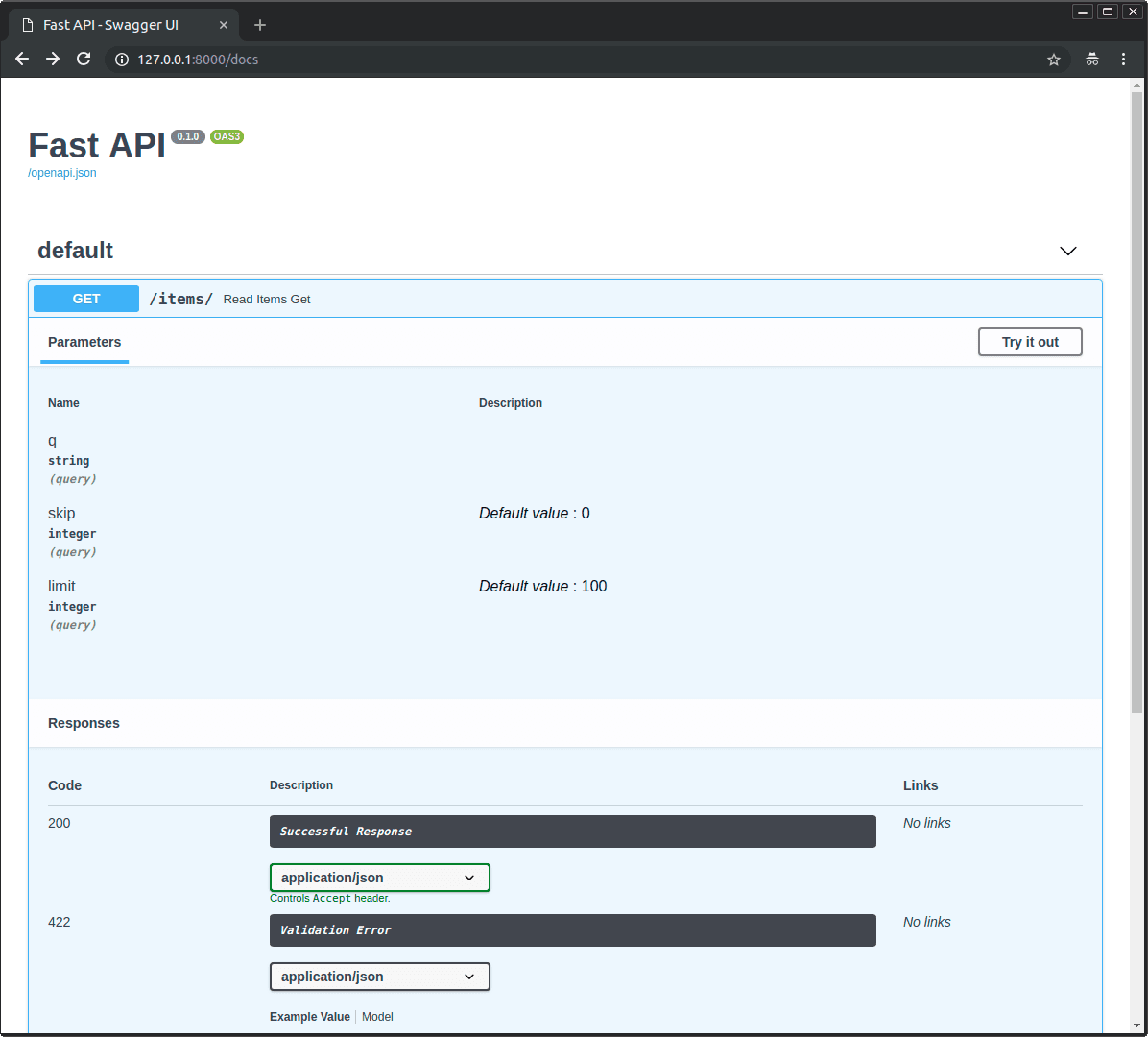
FastAPI's Depends: Let the Framework Handle Setup
Think of Depends as a pre-flight checklist for your API endpoints. You list required setup tasks, like getting a user or a database session, and FastAPI runs them for you. This is key for sharing logic like auth or database connections across many routes.
Database Pages: The Building Blocks of Your Data
A database page is the fundamental 8KB block for all storage. The database engine reads and writes entire pages, not single rows, for user data, indexes, and metadata. The key footgun: the physical order of rows on a page is not guaranteed.
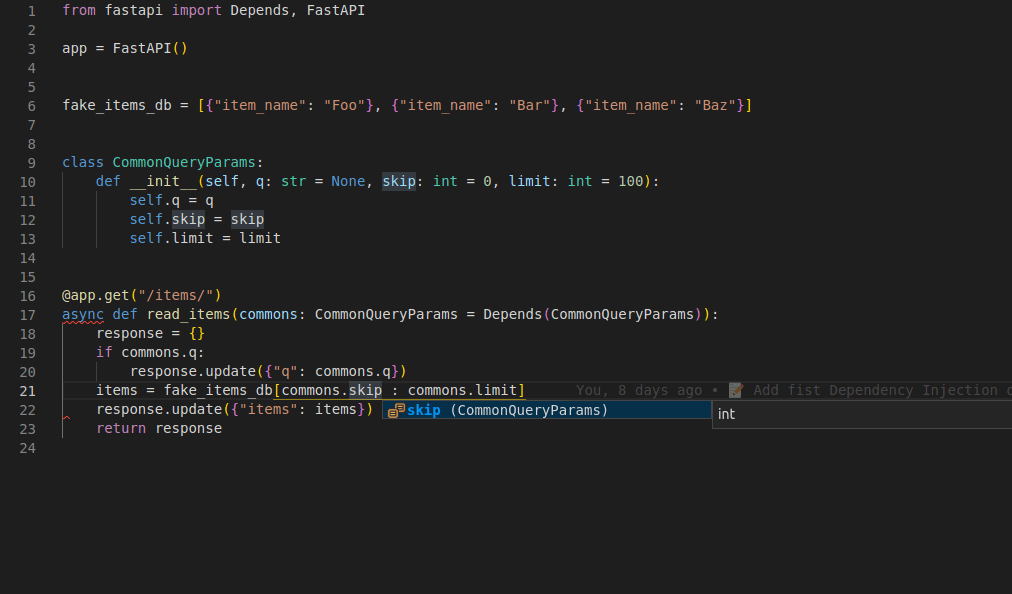
FastAPI: Using Classes as Dependencies
Bundle related request parameters into a class instead of repeating them in every endpoint. FastAPI automatically creates an instance for you, cleaning up your code. This is ideal for shared logic like pagination. The footgun: FastAPI injects into __init__.

Creating Your First Express Server
Think of an Express app as three steps: require the library, create an instance, and listen on a port. This is the foundation for any Express-based API or web server.
FastAPI's Dependency Caching: One Request, One Call
FastAPI dependencies are singletons for the life of a request. If multiple parts of your code ask for the same dependency (e.g., a database session), FastAPI runs it once, caches the result, and shares it. The footgun: this cache is per-request, not global.

Express.js: Basic Request Routing
Express routing connects a request's path and HTTP method (like GET /) to a specific handler function. This is the core of any Express app, used to define API endpoints or handle form submissions. A common mistake is using the wrong method for a request.
We are hiring for this. Every open role lists the topics its interview covers, so you can prepare for the real thing rather than guessing.
See open roles