Easy concepts in Backend Dev, page 6
JDBC: Java's Universal Translator for Databases
JDBC is Java's universal adapter for databases, letting your app speak SQL to any database via a standard API. It's used for connecting, querying, and managing transactions. The biggest footgun is building SQL strings directly; always use PreparedStatements.

ODBC: The Universal Translator for Databases
ODBC acts as a universal translator, letting one application speak to many different relational databases. Your app uses the standard ODBC interface, and a specific "driver" handles the unique protocol for each database. The footgun is performance overhead.
Connection String: Your App's Key and Address to Data
A connection string is your app's address and key to a data source. It bundles the host, port, database name, and credentials into a single string for a driver to use. The main footgun is committing credentials to version control by hardcoding the string in.
FastAPI's TestClient: Test Your API Without a Live Server
FastAPI's TestClient simulates API requests in-memory, letting you test endpoints without a live server. Use it with pytest to verify status codes and responses. The main footgun is forgetting to pip install httpx, as it's a required dependency.

Jest: A Batteries-Included JavaScript Test Framework
Jest is a 'batteries-included' JavaScript test framework, bundling a runner, assertions, and mocks for a zero-config experience. It's a go-to for testing Node, React, and TypeScript apps. Footgun: Snapshot tests only catch unexpected changes, not flawed logic.
pytest Fixtures: Reusable Test Setups
Pytest fixtures are reusable functions for test setup, like creating sample data. Your tests request them by name as arguments, and pytest automatically runs them and injects the results.
Mocha: A Flexible JavaScript Test Runner
Mocha is a flexible JavaScript test runner, providing structure but not assertions. It organizes and executes tests in Node.js and browsers, excelling with asynchronous code. The main footgun is forgetting you must pair it with an assertion library like Chai.
Chai: Assertions for Readable JavaScript Tests
Chai makes your JavaScript tests read like sentences. It provides assertion styles like expect(value).to.equal(5) to verify code behavior in test frameworks like Mocha. The main footgun: the should style fails silently on null or undefined values.
Database as a Service (DBaaS): Rent, Don't Build
DBaaS is like leasing a database instead of owning it. A cloud provider handles the backups, patching, and scaling, so you can focus on your app. The main footgun is assuming "managed" means you can ignore configuration, query performance, and costs.
Go's `os` Package: Your File System Toolkit
Go's os package is your universal remote for the file system. Use ReadFile for quick access or open a File object for finer control. It's essential for logs and configs. Forgetting to Close() a file leaks resources and can crash your program.
Amazon RDS: Managed Relational Databases in the Cloud
Amazon RDS is like hiring a DBA to manage your database's plumbing. It's for when you need a SQL database like PostgreSQL or MySQL without the hassle of patching and backups. The footgun is assuming it's 'serverless'—you still manage cost and performance.
Go-Style vs. GNU-Style Flag Parsing
Go's command-line parser is stricter than the familiar GNU style, not distinguishing short/long flags or allowing them after arguments. This is key when porting Go CLIs to Rust to maintain user experience.
XSS Prevention: Context-Aware Output Encoding
Prevent XSS by encoding all untrusted data just before it's rendered. The key is context: escaping for an HTML body is different from an attribute or script tag. This is critical for displaying user content.
Go's Time: Wall Clocks vs. Monotonic Clocks
Go separates telling time (wall clock) from measuring it (monotonic clock) to prevent errors from system clock changes. Use time.Sub for reliable timing and time.Format for display. The footgun: formatting uses a magic date, not YYYY-MM-DD.
Preventing SQL Injection: Never Trust User Input
To prevent SQL injection, treat SQL as a template and user input as data that can only fill placeholders, never changing the query's structure. Use this for any database query in your Node.js app that uses external data.

Go vs. Rust: Why String Indexing Is Tricky
Rust prevents direct string indexing to force correctness, while Go treats strings as raw byte slices. This matters for non-ASCII text where characters span multiple bytes. The footgun: Go's s[i] can corrupt data; Rust's &s[..i] can panic.
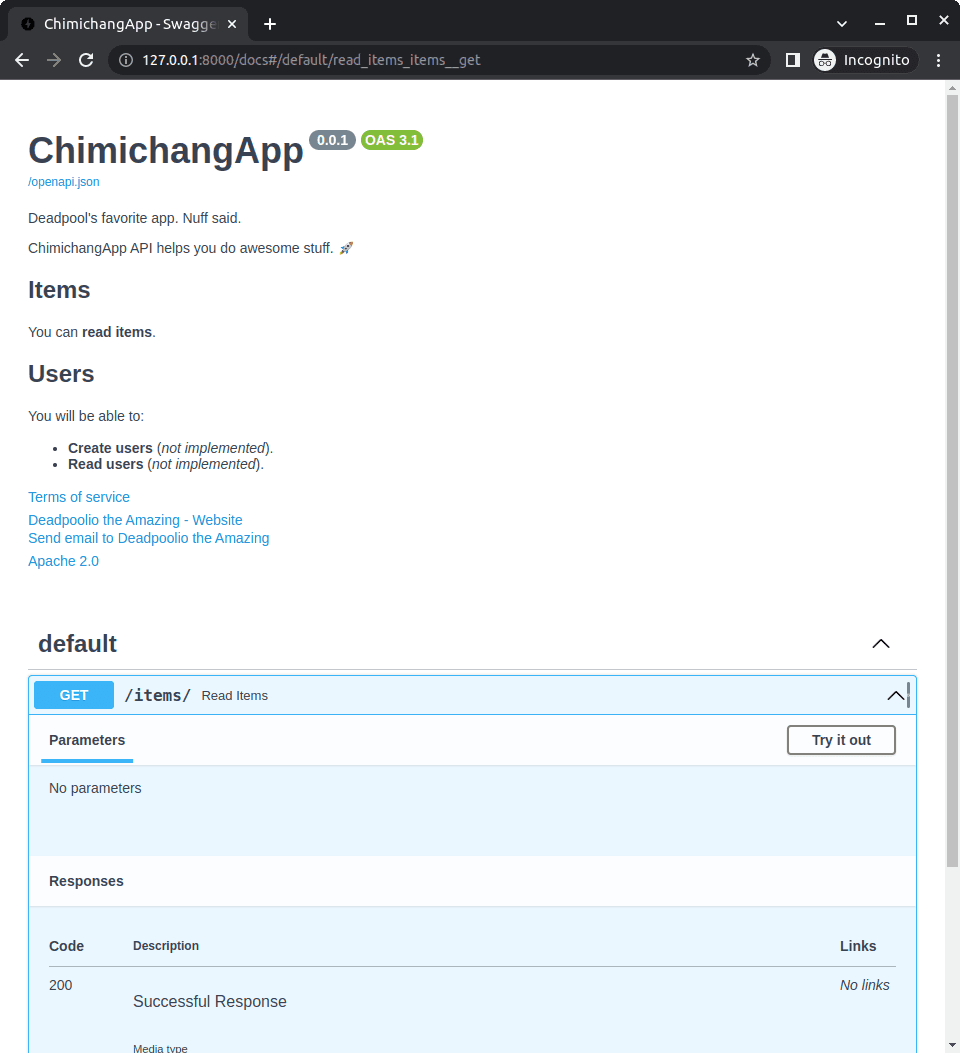
FastAPI: Configure API Metadata for Better Docs
Think of FastAPI metadata as your project's business card. It sets the title, version, and description in your auto-generated docs, making your API professional and discoverable. The main footgun is forgetting to update the version string after a release.

Dependency Scanning with npm audit
Think of dependency scanning as a background check for your code. npm audit compares your project's packages against a database of known security flaws, telling you if you're using vulnerable code. The biggest footgun is blindly running npm audit fix.

Data Pipelines: From Raw Data to Actionable Insights
A data pipeline is the plumbing for your data, moving it from raw sources to a refined state for analysis. It feeds dashboards and ML models by cleaning data from APIs and databases. The key footgun is choosing batch processing for real-time needs.
Message Queues: Decoupling Your Services
Think of a message queue as a digital post office for your services. It lets one part of your system drop off a task for another to handle later, decoupling them so they don't have to run in lock-step.
We are hiring for this. Every open role lists the topics its interview covers, so you can prepare for the real thing rather than guessing.
See open roles