Concepts in Backend Dev, page 10
ARIES Recovery Algorithm
ARIES is a widely-used database recovery algorithm, found in systems like IBM Db2 and SQL Server. It enables high performance by supporting a 'no-force, steal' policy, ensuring data integrity after a crash. The main footgun is not understanding this policy.
FastAPI's Security Utility: Dependencies for Auth
FastAPI's Security utility is a specialized Depends for authentication. It signals to OpenAPI that a dependency is required for security, enabling interactive docs. Use it to protect endpoints by injecting the authenticated user.
RAII in Rust: Automatic Cleanup via Scope
RAII ties a resource's lifetime to its owner's scope. When the owner variable is dropped, Rust automatically cleans up the resource, preventing leaks. This applies to heap memory, file handles, and locks. The footgun: cleanup is deterministic, not like a GC.

PostgreSQL's Free Space Map: Finding Room to Write
A Free Space Map is a table of contents for empty space in a Postgres table. It lets Postgres quickly find a page with enough room for a new row or index entry, avoiding a slow scan. It's used on every INSERT/UPDATE.

How SQL Queries Become Abstract Syntax Trees
An AST turns a flat SQL string into a tree of operations the database can reason about. The parser builds this tree before execution planning. Do not confuse it with the raw parse tree, which keeps punctuation and formatting the AST strips away.
Overriding FastAPI Dependencies for Testing
Overriding dependencies lets you swap real components for fakes during tests. This is vital for isolating tests from external services like auth providers or databases, letting you control inputs and avoid slow, flaky network calls.
Rust's Lifetime Elision: When You Can Skip 'a
Lifetime elision lets you omit explicit lifetimes ('a) in function signatures. The compiler infers them from common patterns, like a function taking one reference and returning one.
Accessing the Raw Request Object in FastAPI
Think of it as dropping to a lower level. Instead of FastAPI handing you validated data, you grab the raw Starlette HTTP request yourself. Use this for data not covered by standard declarations, like a client's IP.

Scaffold an Express App with `express-generator`
The express-generator CLI is a blueprint for new Express apps, instantly creating a standard folder structure and boilerplate files. Use it to skip tedious setup of routes and views.

GC vs. Ownership: Two Paths to Memory Safety
Rust's ownership model provides memory safety at compile-time, aiming for C++-level performance without a garbage collector. This makes it ideal for systems programming where resource control is key. The footgun is assuming all "safe" languages are equal.
Nested Loop Join: The Brute-Force Database Join
A nested loop join is the brute-force way to match two tables. For each row in the first table, it scans every row in the second. It's simple and effective for small tables but its performance degrades quadratically on large datasets.
FastAPI's APIRouter: Grouping Routes into Modules
Think of APIRouter as a mini-FastAPI app for organizing endpoints. It lets you group related paths, like all user routes, into a separate file. This is crucial for keeping large applications maintainable.

Express Error Middleware: Your App's Safety Net
Express error middleware is a safety net that intercepts unhandled errors, preventing crashes. It's used to centralize logging and format consistent error responses. The biggest footgun is placement: it must be defined *after* all other routes and middleware.
Go's GC: Low-Latency Collection with Tri-color Marking
Go's GC uses a tri-color algorithm to find unused memory concurrently, avoiding long pauses. It's crucial for low-latency services. The main footgun is breaking the invariant: a 'finished' (black) object must never point to a new (white) one without notifying…
Hash Join: Faster Database Joins with Hash Tables
A hash join speeds up database joins by building an in-memory lookup table (a hash table) for the smaller table, then streaming the larger one past it to find matches. It's ideal for large, unsorted equijoins.
Rust's Interior Mutability: Mutating 'Immutable' Data
Interior mutability lets you modify data through an immutable reference, moving Rust's borrow checks from compile-time to runtime. It's used in single-threaded code when the compiler can't verify safe access.
Sort-Merge Join: The 'Line Up and Walk' Join
A sort-merge join is like merging two sorted lines of people. It's efficient when tables are already sorted on the join key or memory is tight. The footgun: if data isn't pre-sorted, the initial sort can make it slower than other join methods.
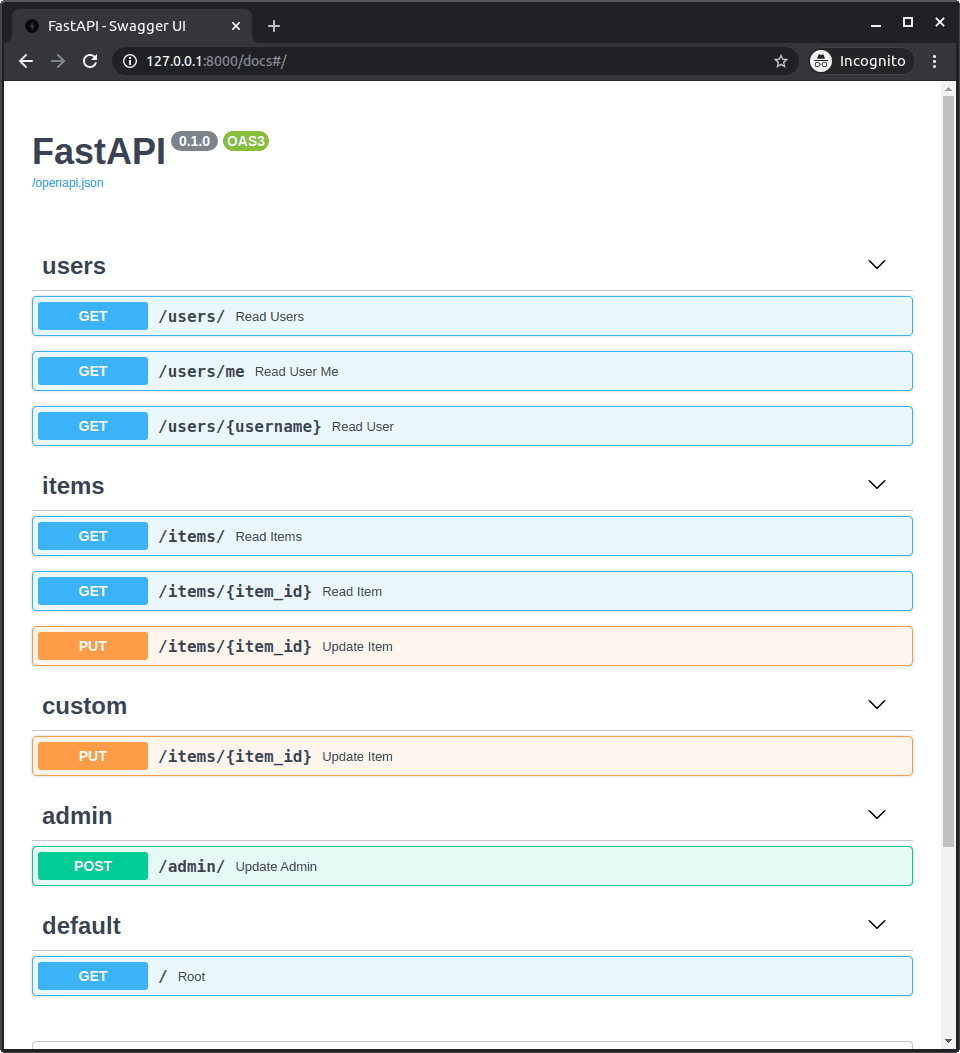
FastAPI: Splitting Your App with `include_router`
app.include_router is like plugging a pre-wired power strip of API endpoints into your main FastAPI app. It lets you organize a large app into smaller files by feature, then combine them. The footgun is forgetting to add a URL prefix for each router.
Rust's NLL: Smarter Borrows Based on Use, Not Scope
Non-Lexical Lifetimes (NLL) make Rust's borrow checker smarter. A borrow's lifetime ends after its last use, not at the end of its code block. This allows modifying data after a borrow is finished, even if the reference variable is still in scope.
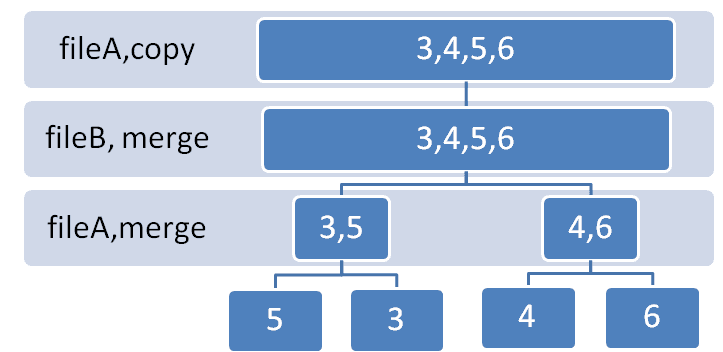
External Merge Sort: Sorting Data Bigger Than RAM
External merge sort handles datasets too big for RAM. It sorts the data in memory-sized chunks, writes them to disk, then merges the sorted chunks back together. It's crucial for database indexing, but its speed is limited by disk I/O, not CPU.
We are hiring for this. Every open role lists the topics its interview covers, so you can prepare for the real thing rather than guessing.
See open roles