Concepts in Backend Dev, page 15
Sequelize Migrations: Version Control for Your Database
Think of Sequelize migrations as Git for your database schema. Each file is a commit describing how to apply (up) and revert (down) a change. Use them to evolve your schema reliably across environments. The footgun: never edit the DB directly.
Rust Channels: Thread-Safe Communication
Rust channels are like a thread-safe conveyor belt for sending data between threads. Use them to pass work to workers or aggregate results. The footgun: the receiver blocks forever if any sender isn't dropped, as the channel only closes when all senders are…
Causal Consistency: A Memory Model for Concurrency
Causal consistency is a rulebook for concurrent systems, defining legal data access patterns. It's used to ensure correctness in distributed shared memory and transactions, preventing data corruption from simultaneous operations.
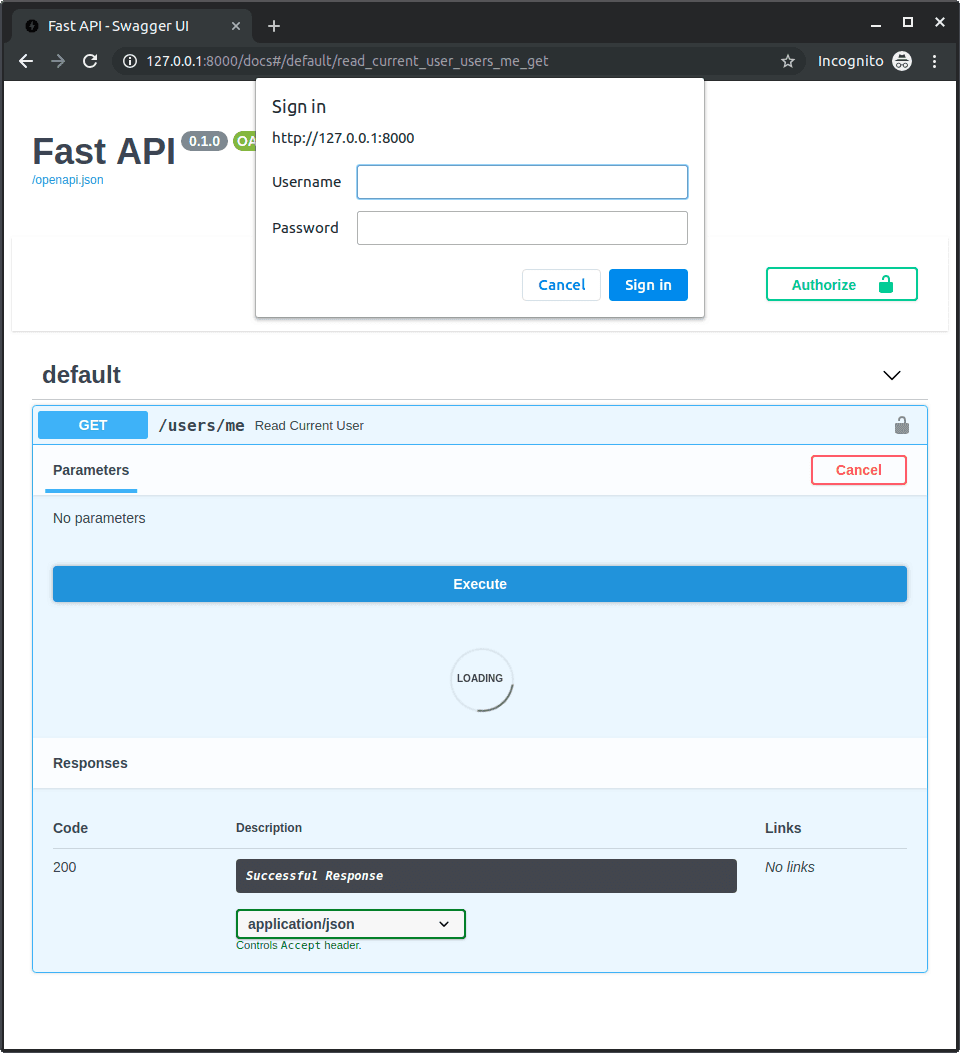
HTTP Basic Auth: Simple but Insecure Access Control
HTTP Basic Auth is a simple gatekeeper for your API, prompting users for a username and password directly in the browser. It's useful for internal tools, but never use it over unencrypted HTTP as credentials are sent in a trivially decodable format.
Sequelize Transactions: All-or-Nothing Database Writes
A Sequelize transaction is a safety wrapper for database queries, ensuring they all succeed or none do. Use it for multi-step operations like creating a user and profile.
Differential Backups: Faster Backups, Simpler Restores
A differential backup saves all changes since the last full backup, making daily backups faster. To restore, you only need the full backup and the latest differential file. The footgun: each differential file grows larger until the next full backup is made.
API Keys: Simple Server-to-Server Authentication
An API key is a simple secret token a client sends to prove its identity, often in a request header. It's ideal for machine-to-machine communication where a user login flow is unnecessary. Footgun: Never send keys in URL query parameters.

Mongoose Population: Linking Documents Across Collections
Mongoose's populate() acts like a client-side JOIN, replacing document IDs with actual documents from other collections. It's ideal for linking related data, like a blog post's author.
Go Channels: Buffered vs. Unbuffered
Unbuffered channels are a synchronous rendezvous, blocking until both sender and receiver are ready. Buffered channels are an async mailbox, letting senders drop messages and go. The footgun is using a buffer to hide a deadlock instead of fixing it.
Role-Based Access Control (RBAC) in Databases
RBAC bundles permissions into roles, like 'analyst' or 'admin', instead of assigning them to individuals. This simplifies managing who can read or write data in a database. The footgun is creating too many roles, making it as complex as individual permissions.
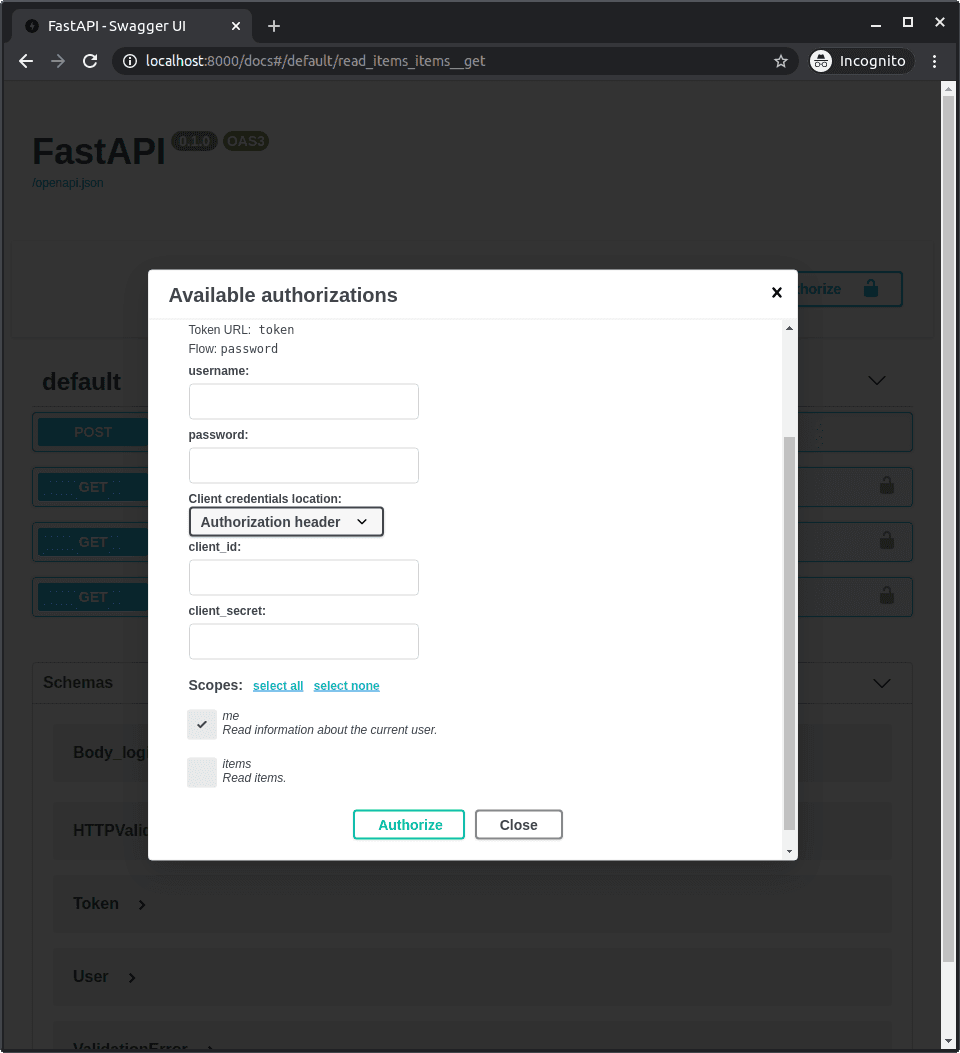
FastAPI: Fine-Grained Permissions with OAuth2 Scopes
Think of OAuth2 scopes as permissions on a keycard. A token gets you in the building, but scopes like items:read or items:write define which rooms you can enter. Use them in FastAPI to grant granular access.
Sequelize Scopes: Reusable Query Shortcuts
Sequelize scopes are named shortcuts for common query conditions, letting you define where or include clauses once and reuse them. Use them to keep code DRY, like an active scope. The footgun: a defaultScope is always on unless you call .unscoped().
Rust's async/await: Cooperative Concurrency
Rust's async/await is cooperative concurrency, where tasks explicitly yield control with .await. This is ideal for I/O-bound work like managing thousands of network connections. The biggest footgun: calling an async function without .await does nothing.
Connection Pooling: Don't Re-Open, Reuse
A connection pool is a valet service for database access. Instead of creating a new connection for every request, you borrow a ready-made one and return it. This avoids costly setup/teardown in web apps.
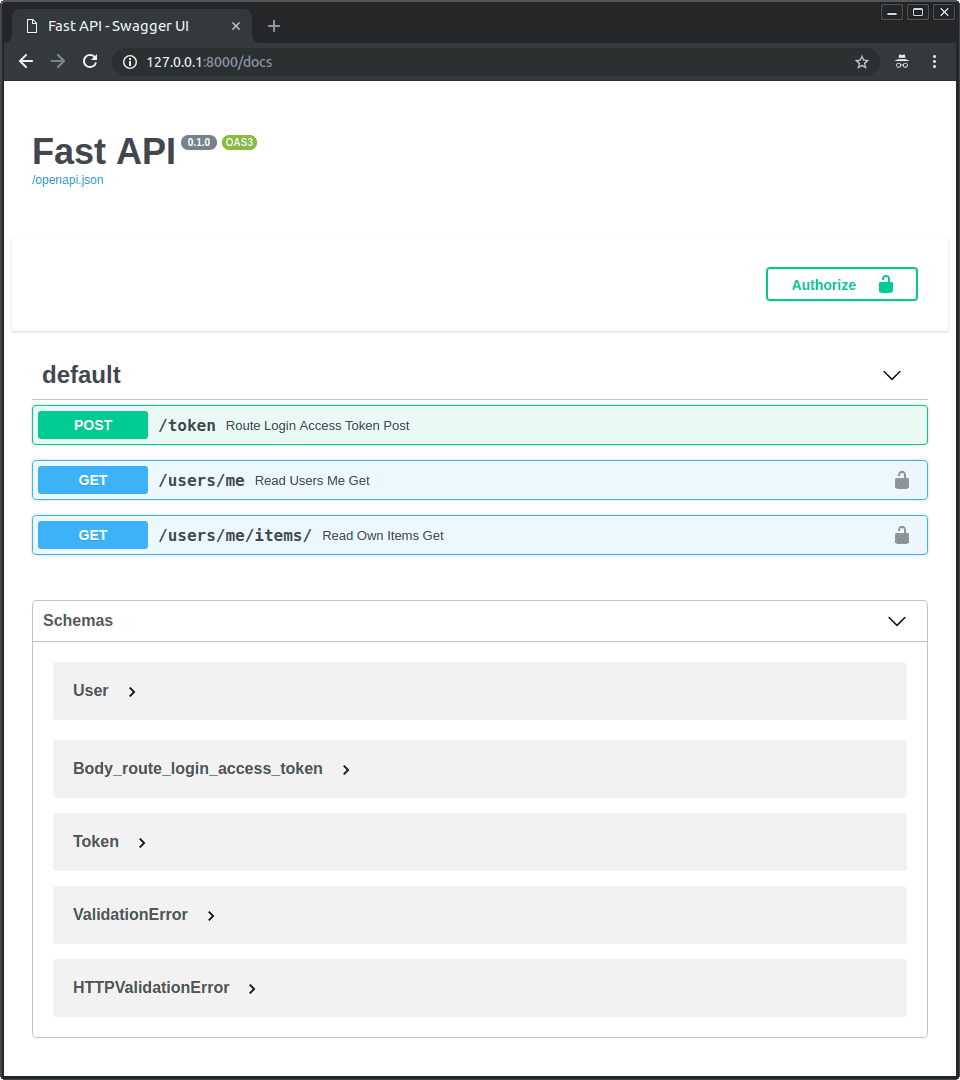
FastAPI RBAC: Using OAuth2 Scopes for Permissions
Treat OAuth2 scopes as a list of permissions. Instead of checking a user's role, you check if their token has the required scope (e.g., items:write) for an endpoint. FastAPI's Security dependency automates this check.
Authentication vs. Authorization: Who You Are vs. What You Can Do
Authentication is proving your identity ('Who are you?'), like showing an ID. Authorization is checking your permissions ('What can you do?'), like using a key for a specific door. Systems use both on login. The footgun is treating them as the same concept.
Rust Async Runtimes: The Engine for `async/await`
Rust's async/await is just syntax; an async runtime like Tokio is the engine that runs the code. It polls Futures until they complete, managing I/O and scheduling. This is essential for web servers.
Point-in-Time Recovery: Rewind Your Database to a Specific Second
Point-in-Time Recovery (PITR) is a database time machine, restoring data to a specific second, not just the last snapshot. It's crucial for reversing application-level errors.
Refresh Tokens: Persistent Sessions Without Re-Authentication
A refresh token is a long-lived credential used to get a new, short-lived access token without re-authenticating. It's how apps keep you logged in for weeks. The footgun is storing it insecurely, letting attackers mint access tokens forever.
Passport.js: The Local Strategy for Username/Password Auth
Passport's Local Strategy is the bouncer for traditional username/password logins in Node.js. You provide the logic to verify credentials against your database, and Passport handles the session management.
We are hiring for this. Every open role lists the topics its interview covers, so you can prepare for the real thing rather than guessing.
See open roles