Concepts in Backend Dev, page 19
Database Proxies: A Manager for Your Database Traffic
A database proxy is a manager between your app and database, handling requests to improve performance and security. It pools connections, caches queries, and balances load, preventing any single server from being overwhelmed.
E2E Testing: The Final Check, Not The Whole Strategy
E2E testing is a dress rehearsal for your app, simulating a full user journey. Use it sparingly for critical flows like checkout, as it tests all services together. The footgun is over-reliance: they are slow, brittle, and hard to debug.
Rust Build Profiles: Tune for Speed vs. Debugging
Rust build profiles are presets for the compiler, trading off compile time and debuggability for runtime speed. Use the dev profile for quick iteration and the release profile for production. The footgun is benchmarking without the --release flag.
Database as a Service (DBaaS): Rent, Don't Build
DBaaS is like leasing a database instead of owning it. A cloud provider handles the backups, patching, and scaling, so you can focus on your app. The main footgun is assuming "managed" means you can ignore configuration, query performance, and costs.
Nock: Intercept and Mock Node.js HTTP Requests
Nock acts like a fake switchboard for your Node.js app's outgoing HTTP calls, redirecting them to pre-defined responses. This lets you unit test code that relies on external services, making tests fast, deterministic, and offline-capable.
Go's `os` Package: Your File System Toolkit
Go's os package is your universal remote for the file system. Use ReadFile for quick access or open a File object for finer control. It's essential for logs and configs. Forgetting to Close() a file leaks resources and can crash your program.
Amazon RDS: Managed Relational Databases in the Cloud
Amazon RDS is like hiring a DBA to manage your database's plumbing. It's for when you need a SQL database like PostgreSQL or MySQL without the hassle of patching and backups. The footgun is assuming it's 'serverless'—you still manage cost and performance.
Go-Style vs. GNU-Style Flag Parsing
Go's command-line parser is stricter than the familiar GNU style, not distinguishing short/long flags or allowing them after arguments. This is key when porting Go CLIs to Rust to maintain user experience.

Compute & Storage Separation: Scale One Without the Other
This architecture treats your data warehouse (cheap storage) and query engine (expensive compute) as separate services. You can scale compute for peak demand without overprovisioning storage.
Mocking with Pytest's monkeypatch
Pytest's monkeypatch is a temporary stunt double for your code, safely swapping out functions or environment variables for a single test. Use it to isolate tests from network calls or filesystem access.
XSS Prevention: Context-Aware Output Encoding
Prevent XSS by encoding all untrusted data just before it's rendered. The key is context: escaping for an HTML body is different from an attribute or script tag. This is critical for displaying user content.
Go's Time: Wall Clocks vs. Monotonic Clocks
Go separates telling time (wall clock) from measuring it (monotonic clock) to prevent errors from system clock changes. Use time.Sub for reliable timing and time.Format for display. The footgun: formatting uses a magic date, not YYYY-MM-DD.
Amazon Aurora: AWS's Proprietary Relational Database
Amazon Aurora is a proprietary relational database from AWS, offered as part of the Amazon Relational Database Service (RDS). It provides a managed database solution within the AWS cloud ecosystem, available since October 2014.
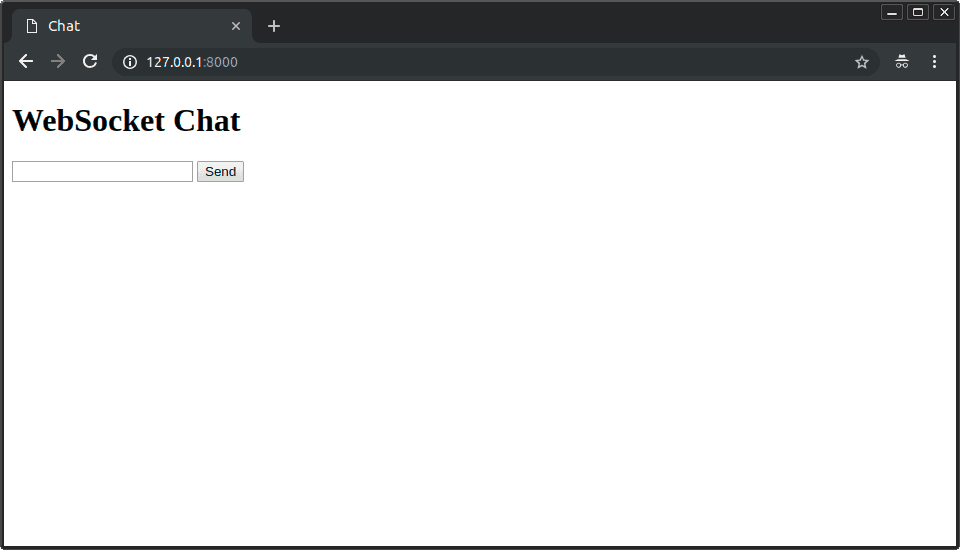
Testing WebSockets in FastAPI
Test a WebSocket conversation by scripting both sides. FastAPI's TestClient provides a websocket_connect context manager to send messages and assert responses sequentially, which is crucial for testing chats or live data feeds.
Preventing SQL Injection: Never Trust User Input
To prevent SQL injection, treat SQL as a template and user input as data that can only fill placeholders, never changing the query's structure. Use this for any database query in your Node.js app that uses external data.

Go vs. Rust: Why String Indexing Is Tricky
Rust prevents direct string indexing to force correctness, while Go treats strings as raw byte slices. This matters for non-ASCII text where characters span multiple bytes. The footgun: Go's s[i] can corrupt data; Rust's &s[..i] can panic.

Amazon DynamoDB: Scalable NoSQL as a Service
Think of DynamoDB as a database where you trade complex queries for near-infinite, hands-off scaling. It's a managed NoSQL service from AWS for key-value and document data, built for high-performance applications.
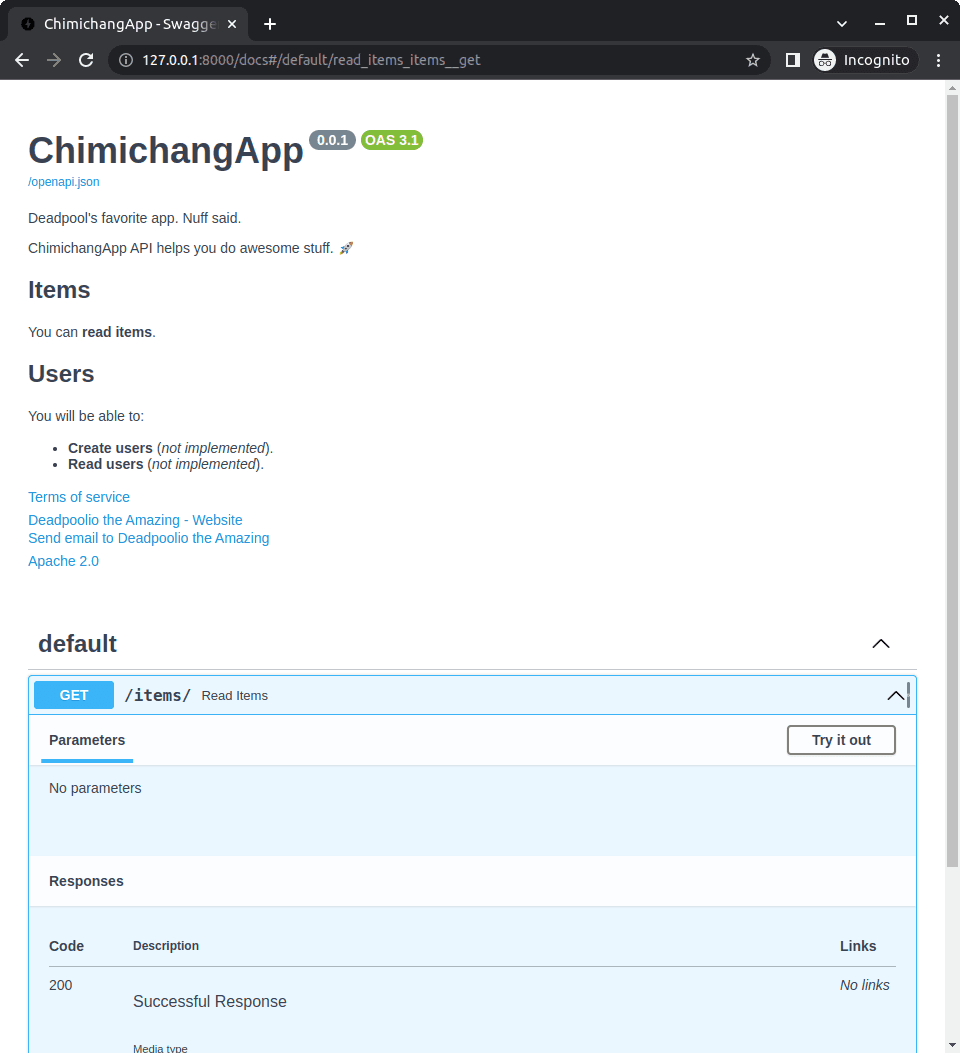
FastAPI: Configure API Metadata for Better Docs
Think of FastAPI metadata as your project's business card. It sets the title, version, and description in your auto-generated docs, making your API professional and discoverable. The main footgun is forgetting to update the version string after a release.

Dependency Scanning with npm audit
Think of dependency scanning as a background check for your code. npm audit compares your project's packages against a database of known security flaws, telling you if you're using vulnerable code. The biggest footgun is blindly running npm audit fix.
Buffered I/O: Batch System Calls for Speed
Buffered I/O batches many small reads or writes into fewer, larger system calls, trading a small amount of memory for a huge speed boost. It's essential for tasks like writing log files line-by-line, preventing a system call for every single line.
We are hiring for this. Every open role lists the topics its interview covers, so you can prepare for the real thing rather than guessing.
See open roles