Concepts in Backend Dev, page 20
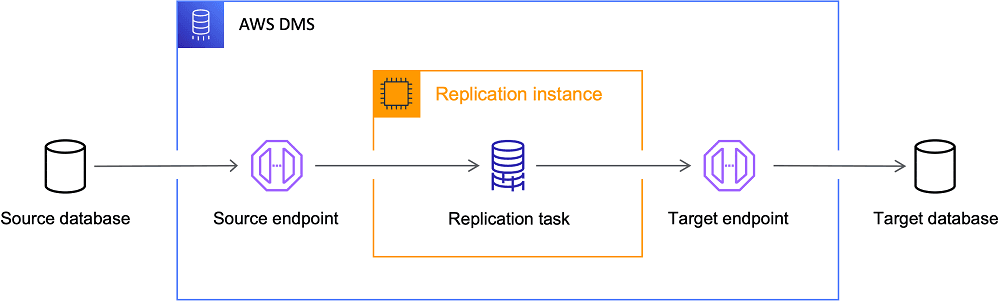
AWS DMS: Your Managed Database Migration Engine
AWS DMS is a managed service for migrating databases. It acts like a replication server you point at a source and target, handling the data transfer. It's used for one-time migrations to AWS or for continuous replication.
TCP Listeners: Go vs Rust
Go spins up TCP listeners and handles connections with lightweight goroutines—1 million costs ~500MB—but GC pauses introduce 2-5ms latency. Rust trades boilerplate for zero-cost safety and consistent sub-100µs response times without garbage collection.

Content Security Policy (CSP): An Allowlist for Browser Resources
Content Security Policy is an allowlist you send to the browser, dictating which scripts, styles, and images are safe to load. It's a primary defense against XSS attacks by blocking unauthorized resources.
NewSQL: SQL Scalability Without Sacrificing ACID
NewSQL databases aim for NoSQL's horizontal scaling with the ACID guarantees of a traditional relational database. They suit high-throughput OLTP systems, like e-commerce, that must scale out. The footgun is assuming they are a simple drop-in replacement.
Securing Cookies with HttpOnly, Secure, and SameSite
Think of cookie attributes as security guards for your session data. They prevent common attacks by telling the browser strict rules for sending the cookie, mitigating risks like cross-site scripting (XSS) and cross-site request forgery (CSRF).
Go's `net/http`: A Production-Ready Web Server
Go's net/http package provides a powerful, production-ready web server without external frameworks. You build services by creating handlers—functions that process a request and write a response. It's ideal for APIs and microservices.
Google Cloud Spanner: A Globally Distributed SQL Database
Spanner is a globally distributed SQL database that scales like NoSQL but keeps the strong consistency of a relational database. Use it for global applications like financial ledgers that need ACID transactions across continents.
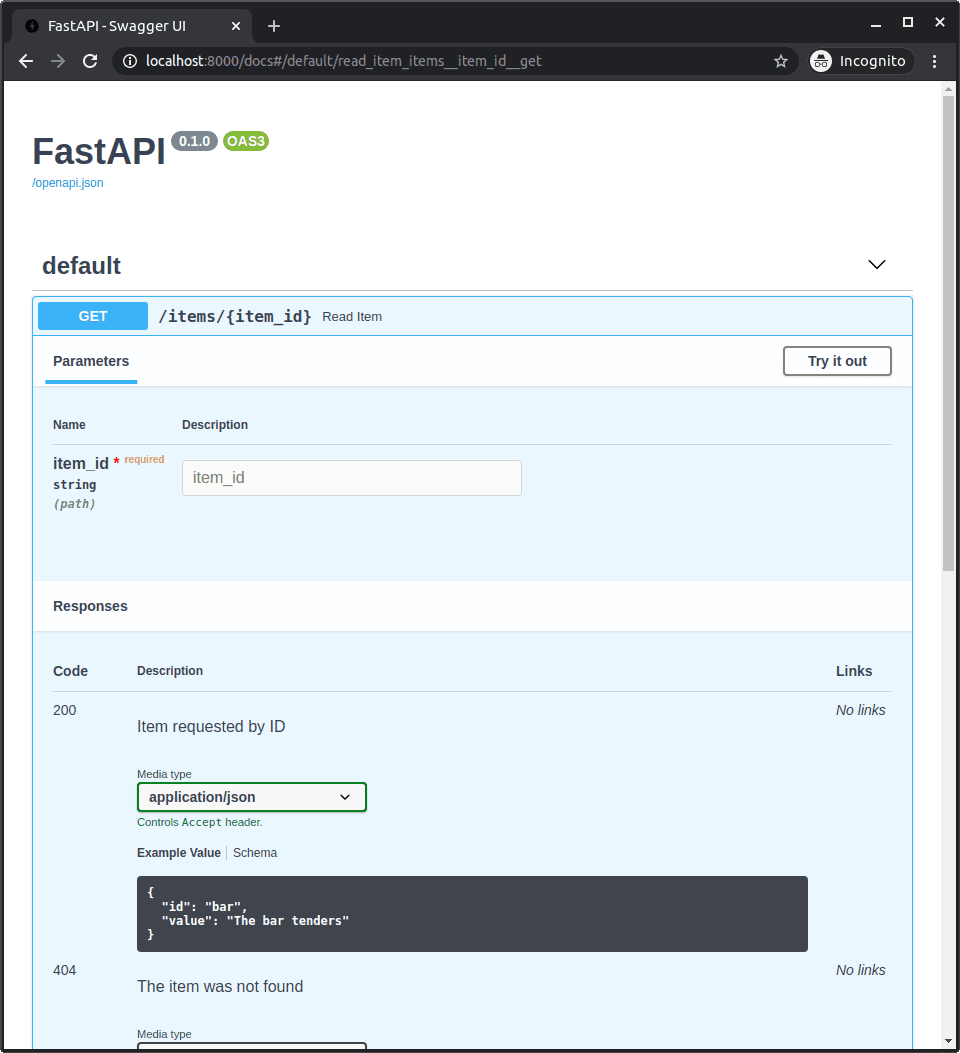
FastAPI: Documenting Additional API Responses
Document every possible API response, not just the happy path. The responses decorator parameter lets you define alternative status codes and schemas, like a 404 error model, making your OpenAPI docs complete.
HSTS: Forcing Future Connections to Use HTTPS
HSTS is a response header that tells browsers to only use HTTPS for your site, automatically upgrading future HTTP requests. This prevents SSL stripping attacks.
Regex Engines: Backtracking vs. Finite Automata
A backtracking regex engine tries one path at a time, which can be fast but also exponentially slow. A finite-automata engine (like Go's) checks all paths at once, guaranteeing linear time. The footgun is using a backtracking engine on untrusted user input.

CockroachDB: A SQL Database That Survives Disasters
CockroachDB is a distributed SQL database designed to be unkillable. Use it for global apps needing strong consistency and high availability, like financial ledgers or identity systems. The footgun: ignoring network latency between nodes can kill performance.
I/O Stream Abstractions
I/O stream abstractions like Go's io.Reader and io.Writer model data as a flow of bytes behind a tiny interface, so files, sockets, buffers and encoders compose interchangeably without each one knowing the others' concrete type.

Data Pipelines: From Raw Data to Actionable Insights
A data pipeline is the plumbing for your data, moving it from raw sources to a refined state for analysis. It feeds dashboards and ML models by cleaning data from APIs and databases. The key footgun is choosing batch processing for real-time needs.
Preventing Sensitive Data Exposure in Node.js
Sensitive data exposure isn't just about database breaches; it's about accidentally leaking secrets. This happens when Node.js apps expose config files, API keys, or raw error messages, often by committing secrets to Git or failing to encrypt data.
Go's `context` Package: Propagating Cancellation and Deadlines
Go's context package is a lifeline for requests, carrying cancellation signals, deadlines, and values across function calls and goroutines. It's essential for I/O-bound operations to prevent resource leaks.
Message Queues: Decoupling Your Services
Think of a message queue as a digital post office for your services. It lets one part of your system drop off a task for another to handle later, decoupling them so they don't have to run in lock-step.
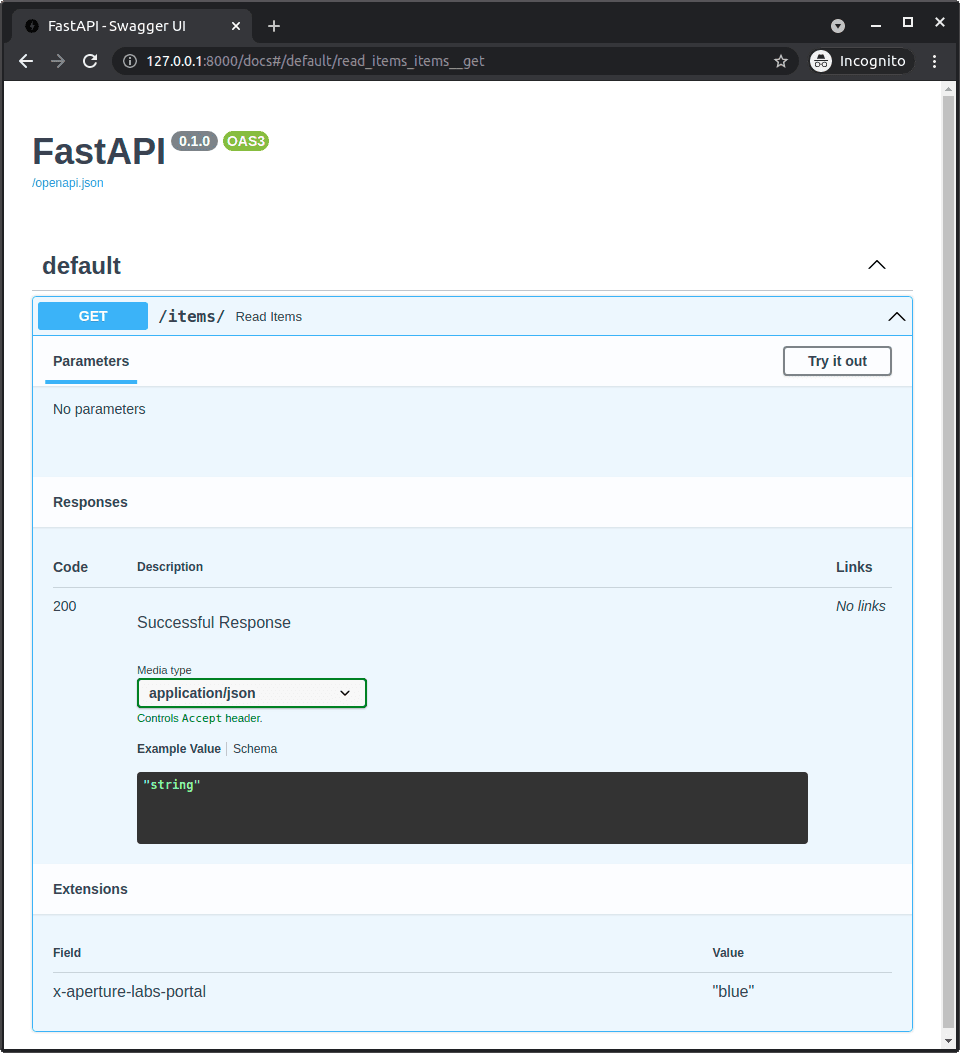
Exclude a FastAPI Endpoint from OpenAPI Docs
Hide an endpoint from your API docs by setting include_in_schema=False. Use this for internal or deprecated endpoints. The footgun: this only hides the endpoint from documentation; it remains fully functional and accessible if the URL is known.
Foreign Function Interface (FFI): Calling Other Languages
Think of an FFI as a universal adapter, letting your program call functions written in another language. It's how modern code in Rust or Go can reuse battle-tested C libraries for tasks like graphics or system calls, avoiding a complete rewrite.
Schema Evolution: Changing a Live Database Without Outages
Schema evolution is like renovating a house while you live in it: you must change your database's structure without breaking the live application. This is critical when adding or renaming columns.
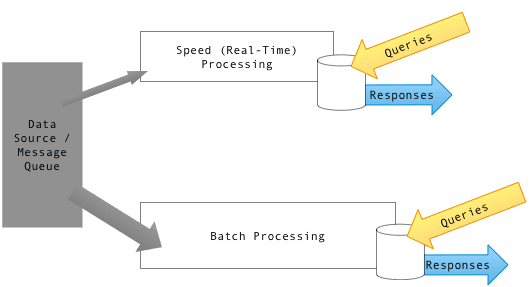
Lambda Architecture: Batch + Stream for Big Data
Lambda Architecture handles massive datasets by combining slow, accurate batch processing with fast, real-time stream processing. It's used for analytics needing both historical and live views.
We are hiring for this. Every open role lists the topics its interview covers, so you can prepare for the real thing rather than guessing.
See open roles