Concepts in Backend Dev, page 5
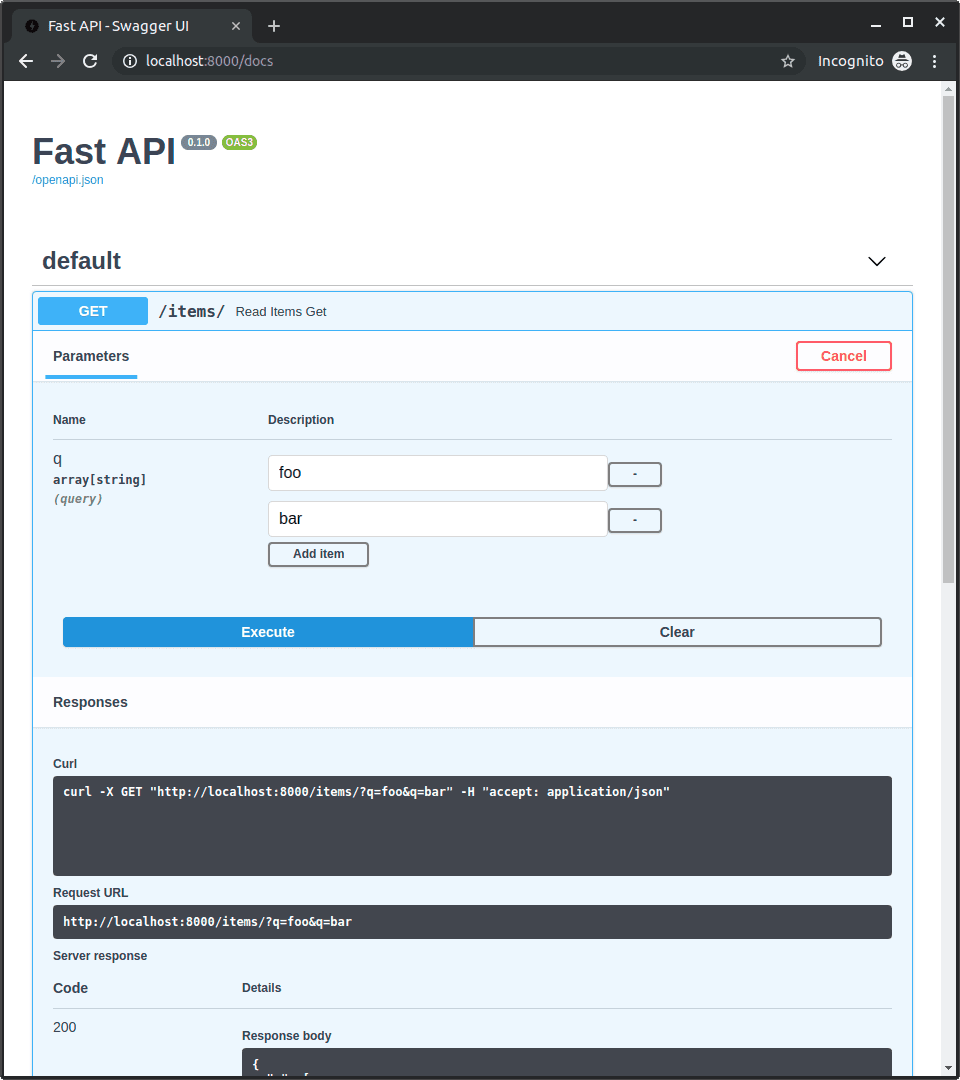
FastAPI: Validate Parameters with Query and Path
FastAPI's Query and Path objects let you declare rich validation rules directly in your function's signature. Enforce string lengths, regex patterns, or numeric ranges on URL parameters without writing manual checks.
Node.js Circular Dependencies: The Unfinished Export
When module A requires B, and B requires A, Node.js avoids an infinite loop by returning an unfinished version of one module's exports. This happens in complex apps with tightly coupled modules. The code doesn't crash; it fails later with a TypeError.
Rust Vectors: Your Go-To Growable List
A Vec<T> is Rust's smart, growable array. It automatically gets more memory when full, keeping items together for fast access. Use it for lists of unknown size. The footgun: frequent reallocations can be slow if you don't pre-allocate capacity.
Materialized Views: Pre-computing Slow Queries
A materialized view trades data freshness for query speed by storing the result of a slow query as a physical table. It's ideal for dashboards that run heavy aggregations, making them load instantly. The footgun is stale data: users see old results.
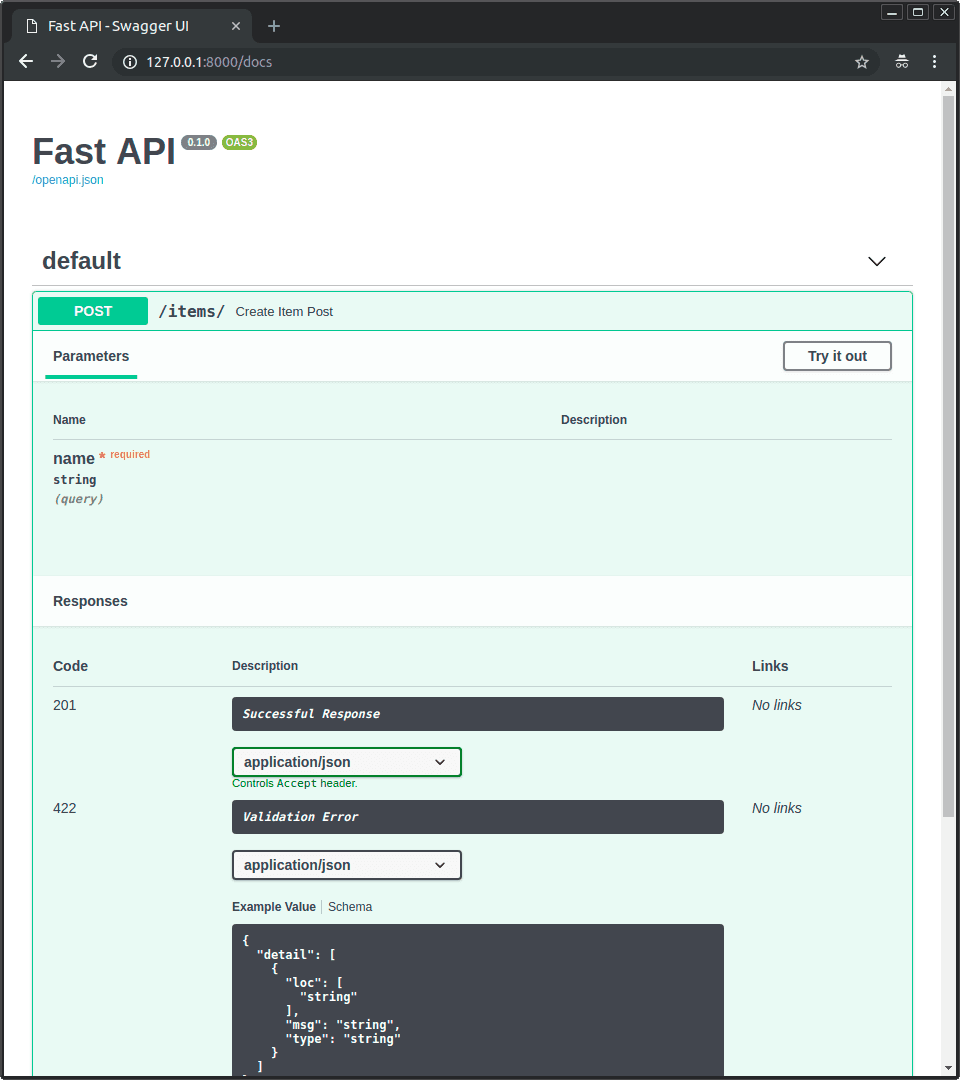
FastAPI: Set a Response's HTTP Status Code
In FastAPI, set the success status code in the decorator, not the function. Use status_code=201 in @app.post() to signal resource creation. The common footgun is placing status_code in the function signature instead of the decorator itself.

NPM Scopes: Namespacing Packages to Avoid Collisions
NPM scopes act like a personal folder for your packages, using the @scope/package format to avoid name collisions. They are essential for publishing private packages for your team or grouping related public ones.
Rust HashMap: Fast, Secure Key-Value Storage
A Rust HashMap is like a dictionary, mapping unique keys to values for fast lookups. Use it for caching or frequency counting. The footgun: never modify a key after insertion, as changing its hash will break the map's internal logic.
Fourth Normal Form (4NF): Isolating Independent Facts
4NF prevents storing independent, multi-valued facts in one table. It applies when a key relates to two unrelated lists, like a restaurant's pizza types and its delivery areas.
Node.js Callbacks: Functions That Run Later
A callback is a function you pass to run later when an event fires or work finishes, keeping Node.js free to handle other work. HTTP servers use them to respond to connections without blocking.
FastAPI: Use HTTPException to Return Client Errors
FastAPI's HTTPException is your tool for stopping an operation and sending a clean HTTP error. Raise it when business logic fails, like a missing database record. The footgun is catching it yourself; just raise it and let FastAPI do the rest.
Lock Now or Check Later: Optimistic vs. Pessimistic Concurrency
Pessimistic concurrency locks data first, assuming conflict is likely ('ask permission'). Optimistic concurrency proceeds without locks and checks for conflicts before saving, assuming they're rare ('ask forgiveness'). Use pessimistic for high-contention.

Async Path Operations in FastAPI
FastAPI path operations can be async, letting the server switch to other requests during I/O waits. Declare dependencies and sub-dependencies async when they await external calls.

JavaScript Promises: Handling Future Values
A Promise is an IOU for a future value from an async operation. Instead of blocking your code, you get an object that will eventually contain the result or an error. They're essential for API calls or file reads.
Write-Ahead Logging (WAL): Survive Crashes by Journaling First
Think of it as a journal of intentions. Before changing data, a database writes the intended change to a log file first. This ensures that if the system crashes, it can recover by replaying the log, guaranteeing no writes are lost.
Promise.then(): Each Call Returns a New Promise
Each .then() call returns a new promise, letting you chain async tasks sequentially. This is key for multi-step operations like API calls. The footgun is attaching multiple .then()s to the original promise, which executes them in parallel, not in sequence.
Database Transaction Log: Your System's Safety Net
A transaction log is your database's safety journal. Before changing data, it records the intended action in a durable file. This is vital for crash recovery, ensuring data isn't left corrupt. The footgun: its primary role is integrity, not just auditing.
Starlette's Request Object: A Clean API for ASGI
Starlette's Request object is a high-level wrapper around the raw ASGI scope, providing a clean API for request data. Use it in endpoints to read headers, query params, or parse the body. The footgun: the request body can only be read once.
Promise .catch(): Handling Rejections
.catch() is the try...catch for promises, intercepting errors (rejections) in a chain. Use it at the end of a promise chain to handle failures from preceding steps, like a failed API call. The footgun: placing it mid-chain can swallow errors.

Shared & Exclusive Locks: The Read vs. Write Rule
A Shared (S) lock is like many people reading a library book at once; an Exclusive (X) lock is one person writing in it alone. Databases use S/X locks to manage concurrency, preventing writes from corrupting reads.
Pydantic: Required vs. Optional Fields
In Pydantic, a field is required by default. To make it optional, you must provide a default value, like name: str = "guest" or age: int | None = None. This is key for flexible API request bodies.
We are hiring for this. Every open role lists the topics its interview covers, so you can prepare for the real thing rather than guessing.
See open roles