Easy interview questions in Backend Dev, page 6
Connection pools and the problem they solve
A pool reuses pre-opened connections so requests skip the expensive connect handshake; without one, every request pays setup latency and may overwhelm the database.
Purpose of await next(request) in FastAPI middleware and timing effects
Tests ASGI middleware lifecycle. await next(request) forwards the request downstream to the endpoint and returns the response. Pre-call code touches the request; post-call code touches the response.
What is go test -race and when is it crucial?
This tests knowledge of Go's race detector. A strong answer says -race instruments code to detect racy reads/writes, finds data races not deadlocks, and is crucial for concurrent apps under load.
Purpose of Helmet middleware in Express
Helmet sets safe response headers like X-Content-Type-Options, HSTS, and CSP, mitigating MIME-sniffing, clickjacking, and protocol downgrade.
Managed RDS vs self-managed DB on EC2
Managed RDS offloads patching, backups, failover, and replication, freeing the team to build product; self-managed EC2 means you own all that toil.
Preventing XSS when rendering user content in templates
The risk is XSS; default to escaped interpolation (EJS <%= %>, Pug #{}) so HTML is encoded, and avoid raw output (<%- %>) for untrusted data.
Read replica vs Multi-AZ in RDS
Multi-AZ is synchronous standby for failover, read replicas are async copies for read throughput, and the two solve different problems.
How do you test a FastAPI GET endpoint with pytest and TestClient?
Import TestClient and app, write a test_ function, call client.get("/items/1"), assert status_code == 200 and json() matches expected data.
What is go generate and how does it differ from make?
This tests whether go generate is a pre-build code generator, not a build system. Strong answers cover //go:generate directives, no dependency analysis, and committing generated files. A red flag is calling it a make replacement or an automatic build step.
Replica lag and read-your-writes consistency
Stale reads come from async replica lag, the guarantee a user expects is read-your-writes, and you route that user's reads to the primary after a write.
What is FastAPI's TestClient and how does it differ from requests?
Tests if you know TestClient runs pytest against the app directly without a live server. Good answers note its HTTPX-based Requests-like API, passing the FastAPI app into the client, and simple asserts. Red flag: saying you need a running server and real URLs.
What are Rust's two macro categories and use cases?
Name macro_rules! for syntax like vec!, and procedural macros for custom derive on structs.
What does unsafe enable in Go and Rust? List two operations.
Go unsafe enables pointer arithmetic and type punning; Rust unsafe permits raw pointer dereferencing and FFI.
What is a Node.js Stream and why use one
A stream processes data in chunks over time, so memory stays bounded and work starts before all data arrives; ideal for large files and network IO.
Data warehouse vs data lake
Warehouses store structured, schema-on-write data for BI; lakes store raw multi-format data with schema-on-read for exploration and ML.
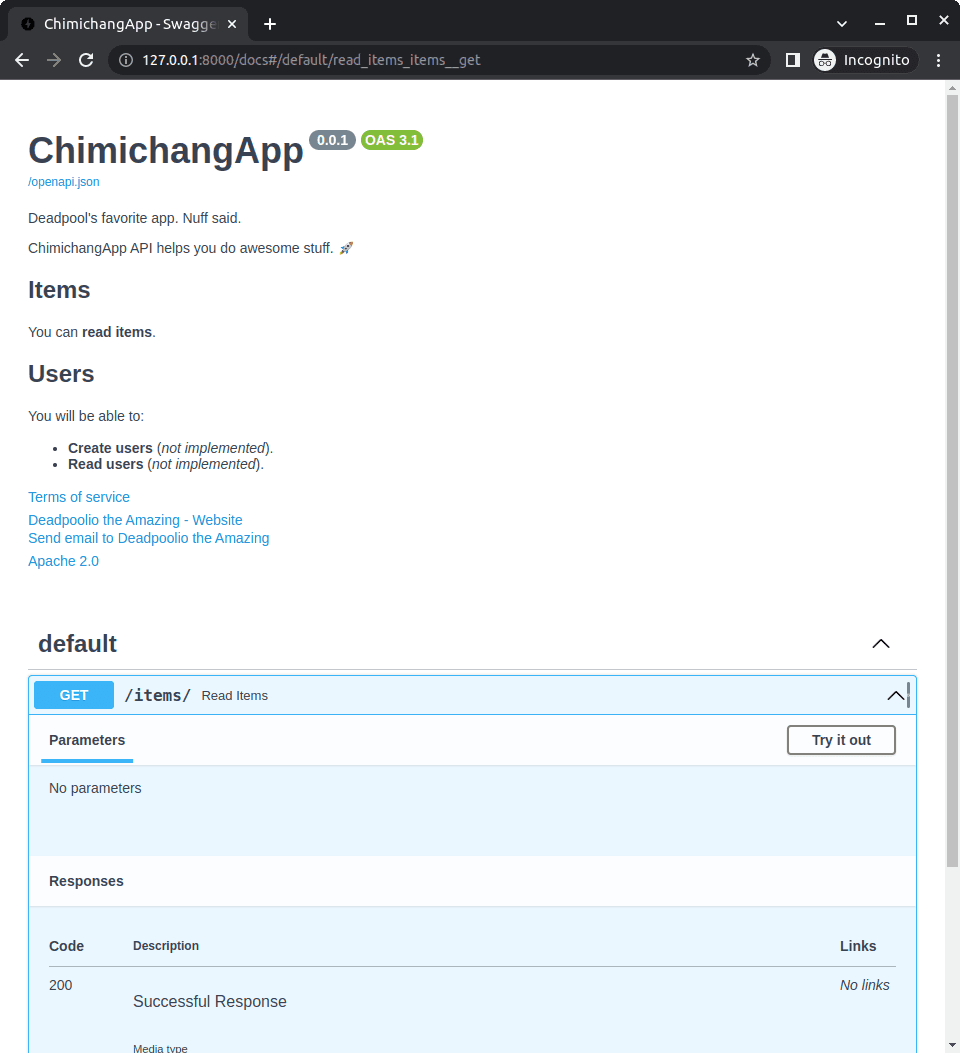
How do you add a title, description, and version to FastAPI auto-docs?
Tests if you know FastAPI's metadata kwargs for OpenAPI docs. Pass title, description, and version to the FastAPI() constructor; Swagger UI and ReDoc render them automatically.
Purpose of the Node.js cluster module
Cluster forks worker processes sharing one listening port, so requests spread across CPU cores via the OS, raising throughput and adding resilience.
Schema-on-read in data lakes
Structure is applied at query time not ingest, enabling flexible raw storage and ML, but costing query-time validation and risking data swamps.
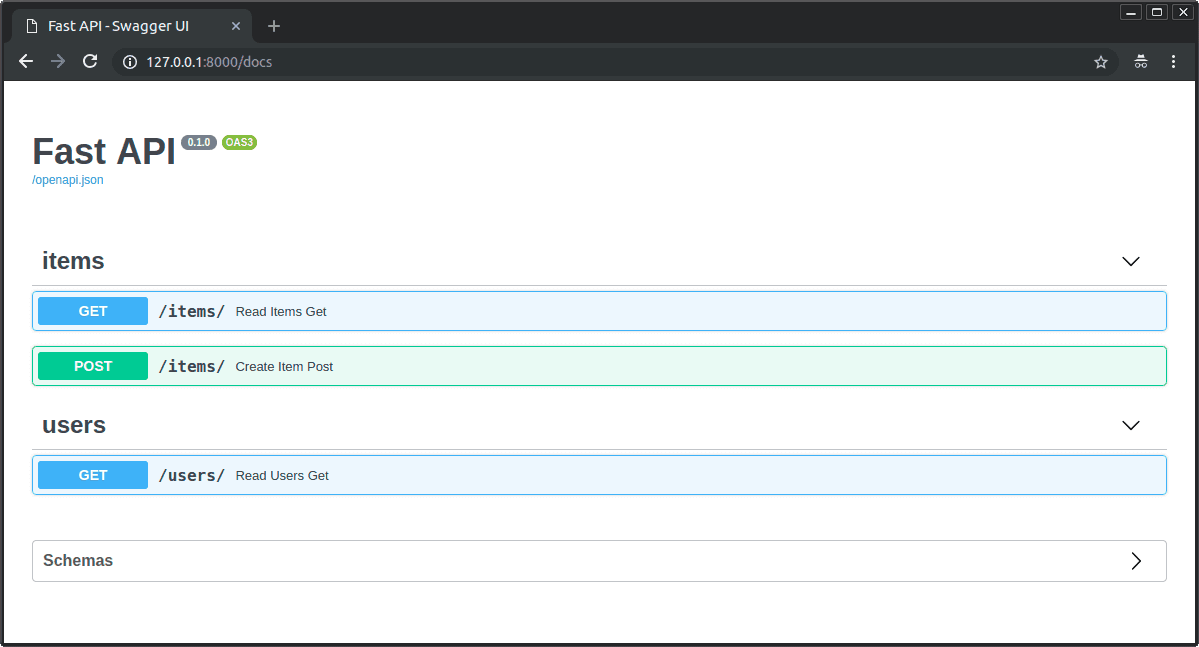
Add summary and description to a FastAPI endpoint for Swagger UI
This tests FastAPI path operation decorator configuration. Pass summary and description to @app.get, or use function docstring for description. A red flag is setting metadata inside the function body or confusing docs with Pydantic Field descriptions.
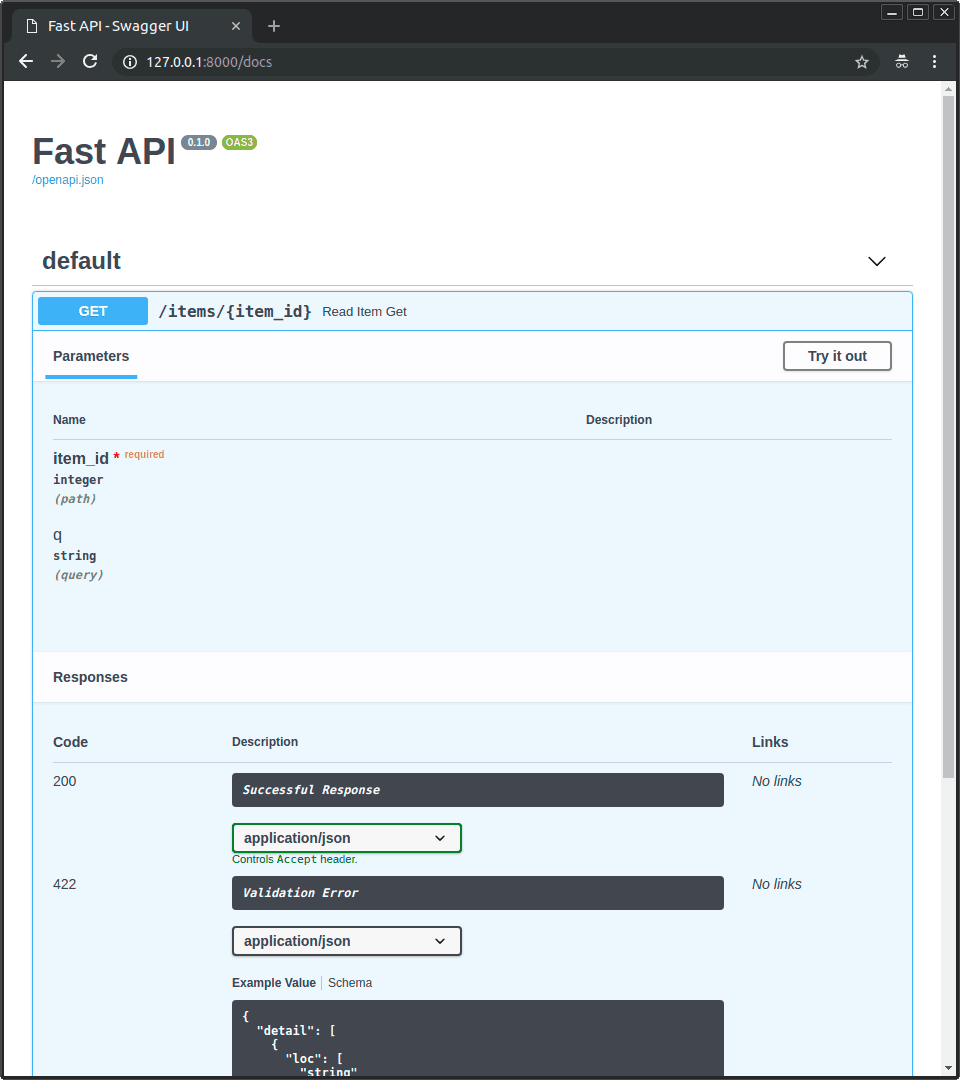
What are FastAPI's two default interactive documentation UIs and URL paths?
This tests whether you know FastAPI's built-in auto-generated docs. A strong answer names Swagger UI at /docs and ReDoc at /redoc, then notes the OpenAPI schema at /openapi.json. A weak answer confuses these with external tools or custom routes.
We are hiring for this. Every open role lists the topics its interview covers, so you can prepare for the real thing rather than guessing.
See open roles