Intermediate interview questions in Backend Dev, page 9
worker_threads versus cluster: when to use each
Worker_threads offloads CPU-bound compute within one process with shared-memory transfer; cluster forks processes to scale IO-bound request throughput across cores.
How can you provide a Swagger UI example for a Pydantic body?
Tests whether you know FastAPI generates OpenAPI schema from Pydantic metadata. A strong answer names Field(example=...) for per-field samples and Body(example=...) for the full payload.
Use a C malloc'd char* in Go and Rust, then free it
Tests FFI allocator discipline. In Go, copy with C.GoString then C.free the *C.char. In Rust, read via CStr::from_ptr, copy to String, then libc::free. Red flag: letting Go GC or Rust Drop manage C memory, or using CString::from_raw on C malloc'd pointers.
Implementing a custom filtering Transform stream
Subclass Transform with objectMode, implement _transform to parse each chunk, push only matching objects, and call the callback; handle parse errors.
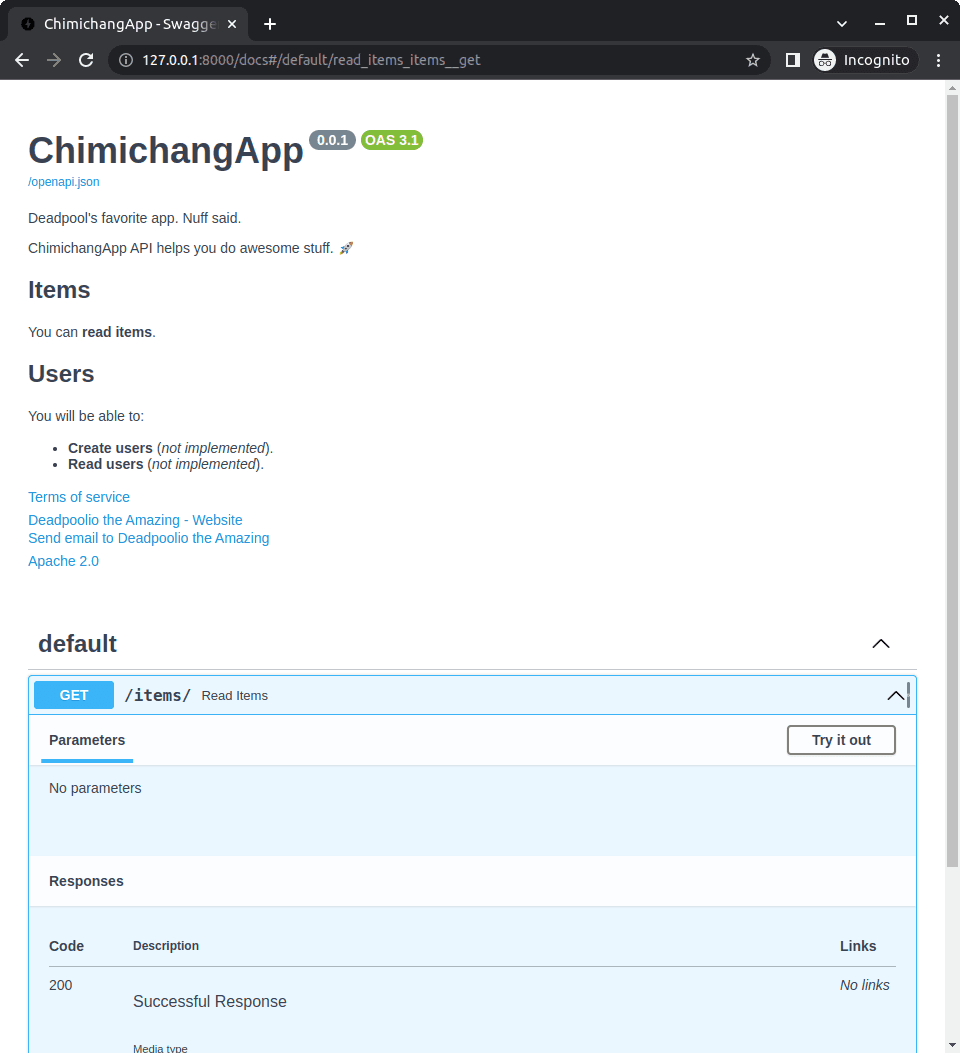
How do you group FastAPI endpoints under tags and describe groups?
Tests FastAPI's two-step tag system: decorators label routes, and openapi_tags supplies group descriptions. Good answers cover tagging paths with tags=["users"], then defining metadata in FastAPI(openapi_tags=[...]) with matching names.
Why must FFI-bound structs use #[repr(C)] and what breaks without it?
Repr(C) fixes field order, size, alignment to C rules for extern calls; omitting it lets Rust reorder or pad fields, causing UB.
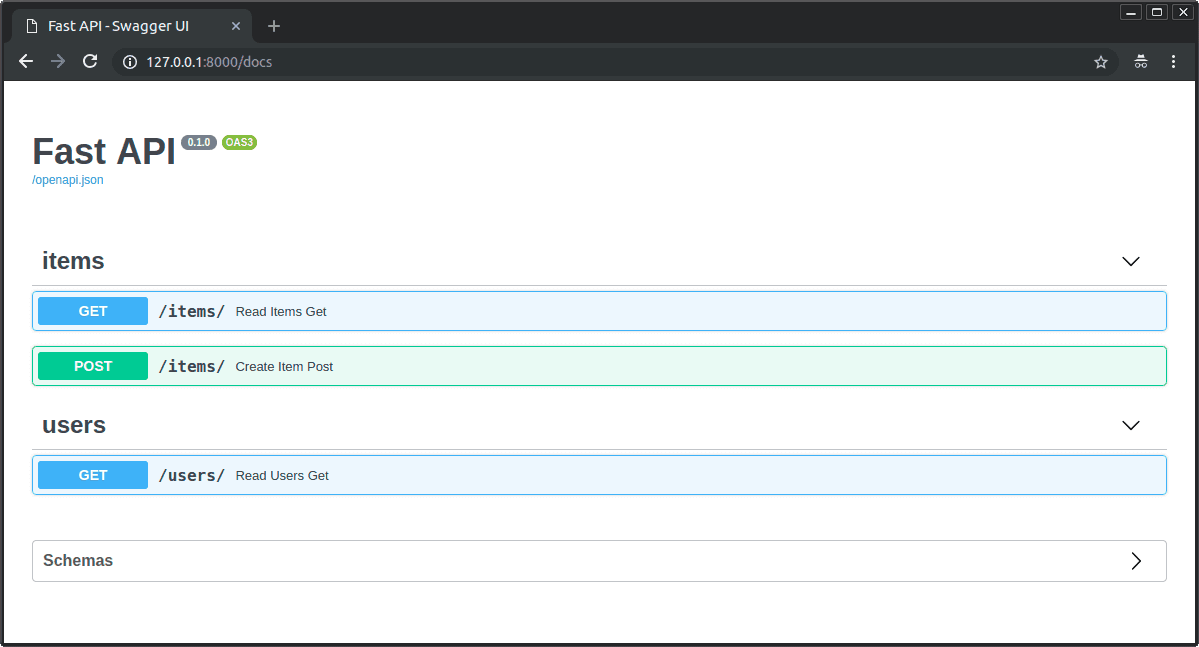
How do you mark a FastAPI endpoint as deprecated?
This tests decorator-level OpenAPI configuration in FastAPI. Pass deprecated=True to the path operation decorator, e.g. @app.get("/old", deprecated=True), so Swagger UI shows a strikethrough. Red flag: burying a deprecation warning in the docstring instead.

Explain the performance overhead of a cgo call
Tests cgo transition penalties and scheduler semantics. A strong answer cites the ~100x overhead (~171ns vs ~1.8ns), notes C blocks an OS thread and starves the scheduler, and warns about memory copy taxes. Red flag: claiming cgo is free or ignoring blocking.
Cache-aside pattern pros and cons
App reads cache, on miss loads DB and populates, invalidates on write; pros are resilience and lean cache, cons are stale windows and app-managed invalidation.
Passing Go/Rust callbacks to a C library
C needs a plain function pointer; in Go use //export with cgo, in Rust an extern "C" fn; carry state via a void* user-data param.
Vector embeddings and vector databases
An embedding is a learned dense vector capturing semantic meaning, and vector DBs use ANN indexes like HNSW for fast similarity search that relational B-trees cannot provide.
The analysis phase: tokenizers and token filters
Analysis turns raw text into index terms via a tokenizer that splits text into tokens then token filters that transform them, like lowercasing or stemming.
How do Socket.IO rooms organize client communication?
Rooms group sockets for targeted broadcasting, socket can join multiple rooms, emit to room broadcasts to all members.
Zero-downtime schema migration on a hot table
Expand-migrate-contract phases, dual-write and backfill, decouple deploys from migrations.
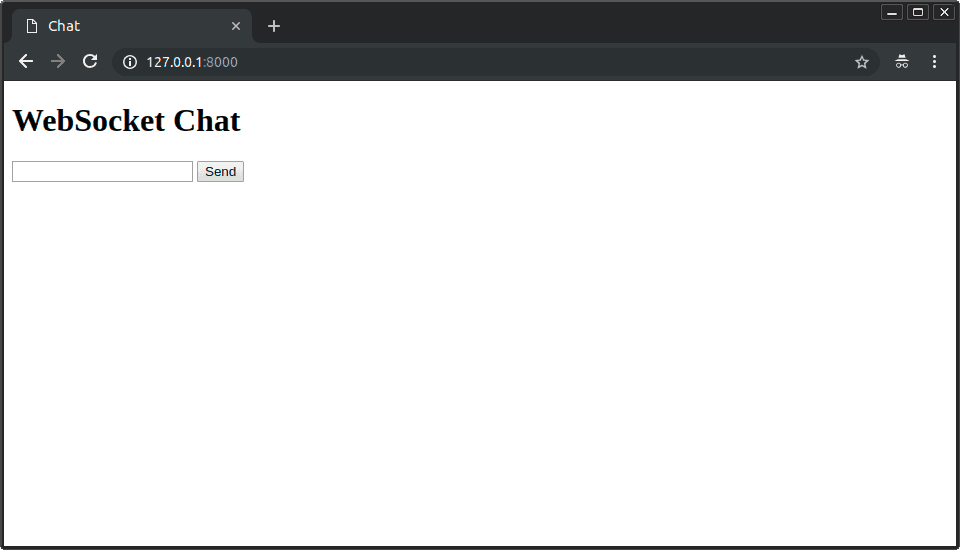
How do you handle a WebSocket client disconnect in FastAPI?
Cite installing websockets, Handling disconnections and multiple clients pattern, and Depends.
How does Socket.IO handle WebSocket failures with fallbacks?
Transports are communication protocols, WebSocket is primary, long-polling is fallback, client auto-detects and downgrades.
SQL isolation levels and the anomalies they prevent
Read Uncommitted allows dirty reads; Read Committed blocks them; Repeatable Read blocks non-repeatable reads; Serializable blocks phantoms.
Logging middleware wrapping an http.Handler in Go
Middleware has signature func(http.Handler) http.Handler, records start time, calls next.ServeHTTP, then logs method, URL, and elapsed duration; chaining works because the wrapper is itself a…
Use startup events to initialize a database pool and inject it
This tests FastAPI lifespan hooks and dependency injection for shared state. A strong answer creates the pool in an async startup handler, stores it on app.state, and accesses it via a dependency in routes. A red flag is creating a fresh pool per request.
How to authenticate WebSocket connections using JWTs?
Client sends JWT on connection, server validates via middleware, socket is attached to user.
We are hiring for this. Every open role lists the topics its interview covers, so you can prepare for the real thing rather than guessing.
See open roles