Interview questions in Backend Dev, page 4
Running independent requests with Promise.all and race
Start all requests then await Promise.all to get all results or fail fast on first rejection; use Promise.race when only the fastest settled result matters.
Relational versus wide-column for a news feed
Relational gives flexible joins but read-time fan-out; Cassandra precomputes per-user feed rows for fast writes-side fan-out.
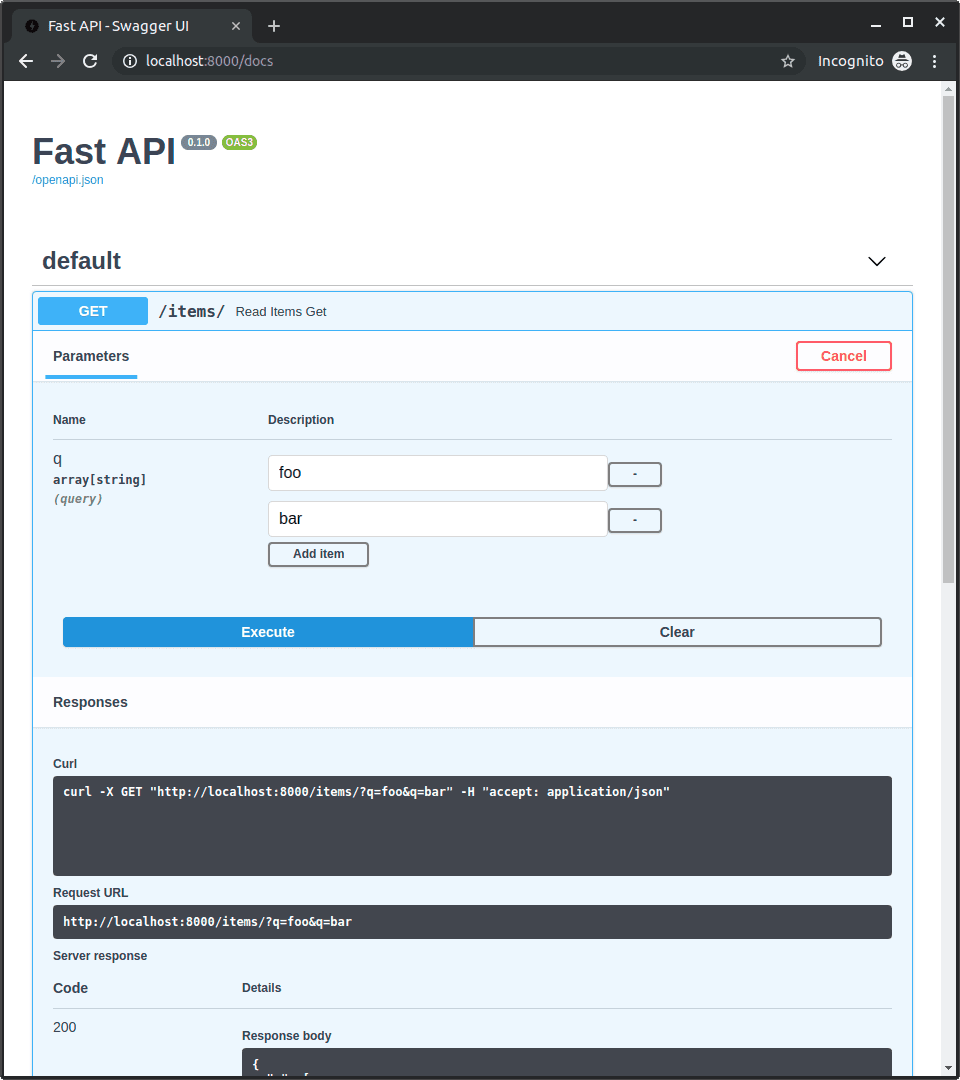
How do you type-hint repeated query params in FastAPI?
Tests FastAPI's Annotated pattern for multi-value query strings. A great answer uses Annotated[list[str], Query()] = [] to collect repeated keys, and notes the old Query-as-default alternative. Red flag: manual parsing or typing it as str.
Define a User struct and map of IDs to pointers
Tests Go struct and map pointer basics. Outline: define User with ID and Name, initialize map[int]*User with make, insert &User literals, and note shared mutation. Red flag: writing to a nil map or storing values instead of pointers.
Handling async errors in Express middleware
Await inside try/catch and call next(err) on failure, or wrap the handler in an async error adapter; never let a rejected Promise go uncaught.
Shard key impact on uniqueness and cross-shard lookups
Uniqueness and FKs hold only within a shard; non-shard-key lookups need scatter-gather or a secondary index.
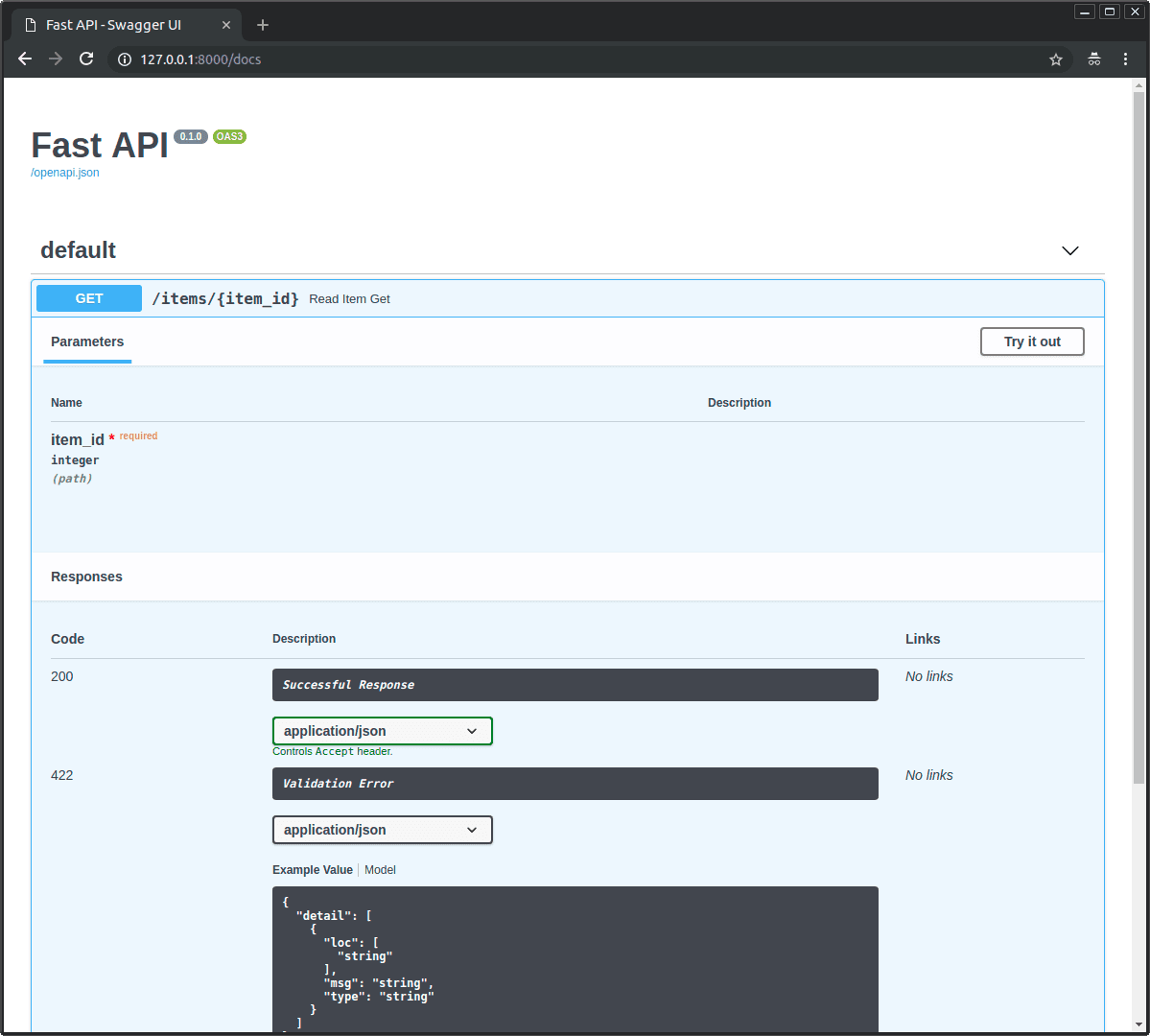
What is the :path converter in FastAPI?
Tests FastAPI routing semantics and URL segmentation. A strong answer states :path captures slashes across segments while plain str stops at the next slash, and cites file-serving as the use case.
How do you safely share a Go map across goroutines?
Tests Go memory model. Answer: maps are not concurrency-safe and risk panic or corruption; use sync.RWMutex with map for read-heavy cases or sync.Map for cache-like patterns. Red flag: suggesting runtime.GOMAXPROCS or channel-only access without justification.
Comparing the three async error-handling styles
Callbacks pass err as first arg; Promises route errors to catch; async/await uses try/catch; an unhandled rejection can crash the Node process.
The ACID properties of transactions
Define Atomicity, Consistency, Isolation, Durability and why each matters.
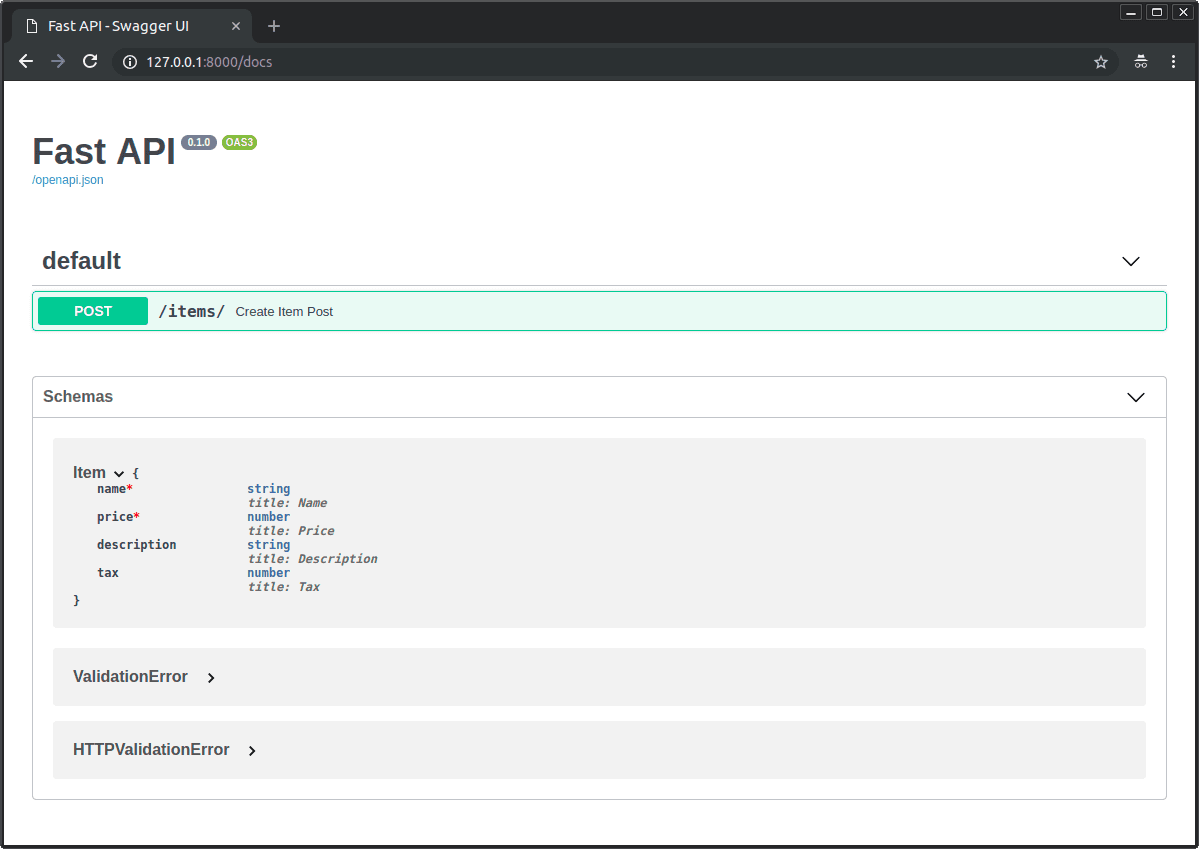
How do you define a Pydantic model for FastAPI request body validation?
Subclass BaseModel with id int, email str, full_name str|None; pass it as a route param so FastAPI validates JSON and returns 422s.
What type replaces String for read-only function parameters in Rust?
Use &str; it borrows without ownership, accepts literals and String via coercion, and avoids clones.
Bounded concurrency for many async requests
Chunk the array and await Promise.all per chunk, or run a fixed worker pool pulling from a shared index; cap in-flight requests.
The lost update anomaly explained
Both transactions read the same value, each adds one, the second overwrite erases the first.
How does Pydantic handle extra JSON fields, and how to configure it?
This tests Pydantic's data filtering behavior and configuration. By default, Pydantic ignores extra fields silently. Set model_config = ConfigDict(extra='forbid' or 'allow') to change it. A red flag is claiming FastAPI 422s by default on unknown fields.
Sum Some values in Vec<Option<i32>>, ignoring None
Tests Rust Option handling and null-safety design. A strong answer uses map, unwrap_or, flatten, or match to skip Nones safely, and explains Option replaces null pointers with explicit enum variants. Red flag: using unwrap in a loop or suggesting null checks.
Promise.all vs Promise.allSettled
All rejects on the first failure; allSettled always fulfills with a status/value or reason per input. Use allSettled when partial success is acceptable.
Database deadlocks and how engines resolve them
Define a deadlock as mutual waiting on locks, name detection plus victim rollback, and prevention by consistent lock ordering.
What is the difference between a Pydantic default and Optional field?
Both forms are non-required; str = 'guest' rejects None, Optional[str] = None accepts it.
Explain Go struct embedding vs inheritance and method promotion
What it tests: knowing Go composition and method promotion from embeds. Outline: embedding adds a type as part without is-a; promoted methods join the outer type; collisions resolve by outer-type precedence.
We are hiring for this. Every open role lists the topics its interview covers, so you can prepare for the real thing rather than guessing.
See open roles