Interview questions in Backend Dev, page 9
What is Express middleware
Middleware are functions in a chain with req, res, next, they inspect or modify request and response, then call next to continue or send a response to end.
Row-oriented versus columnar storage
Row stores keep whole rows together, ideal for point reads and writes; columnar stores keep each column contiguous, enabling reading only needed columns and strong compression, ideal for scans and…
How does FastAPI cache dependencies within a single request?
Tests if you know FastAPI caches a dependency after the first call in a request and reuses it across the tree. A strong answer covers default use_cache=True, request-scoped lifetime, and disabling it.
Difference between errors.Is and errors.As in Go
This tests error-chain inspection in Go. errors.Is checks sentinel equality through wrapping, such as os.ErrNotExist. errors.As extracts a custom type, like os.PathError, into a variable. A red flag is using direct == or type assertions on wrapped errors.
Parse JSON and URL-encoded bodies in Express
Express.json() for JSON, express.urlencoded() for form data, both registered via app.use().
Using page LSN to decide redo
Each page stores the LSN of its last applied change; during redo the engine reapplies a log record only if its LSN exceeds the page's LSN, meaning the change is not yet reflected on disk.
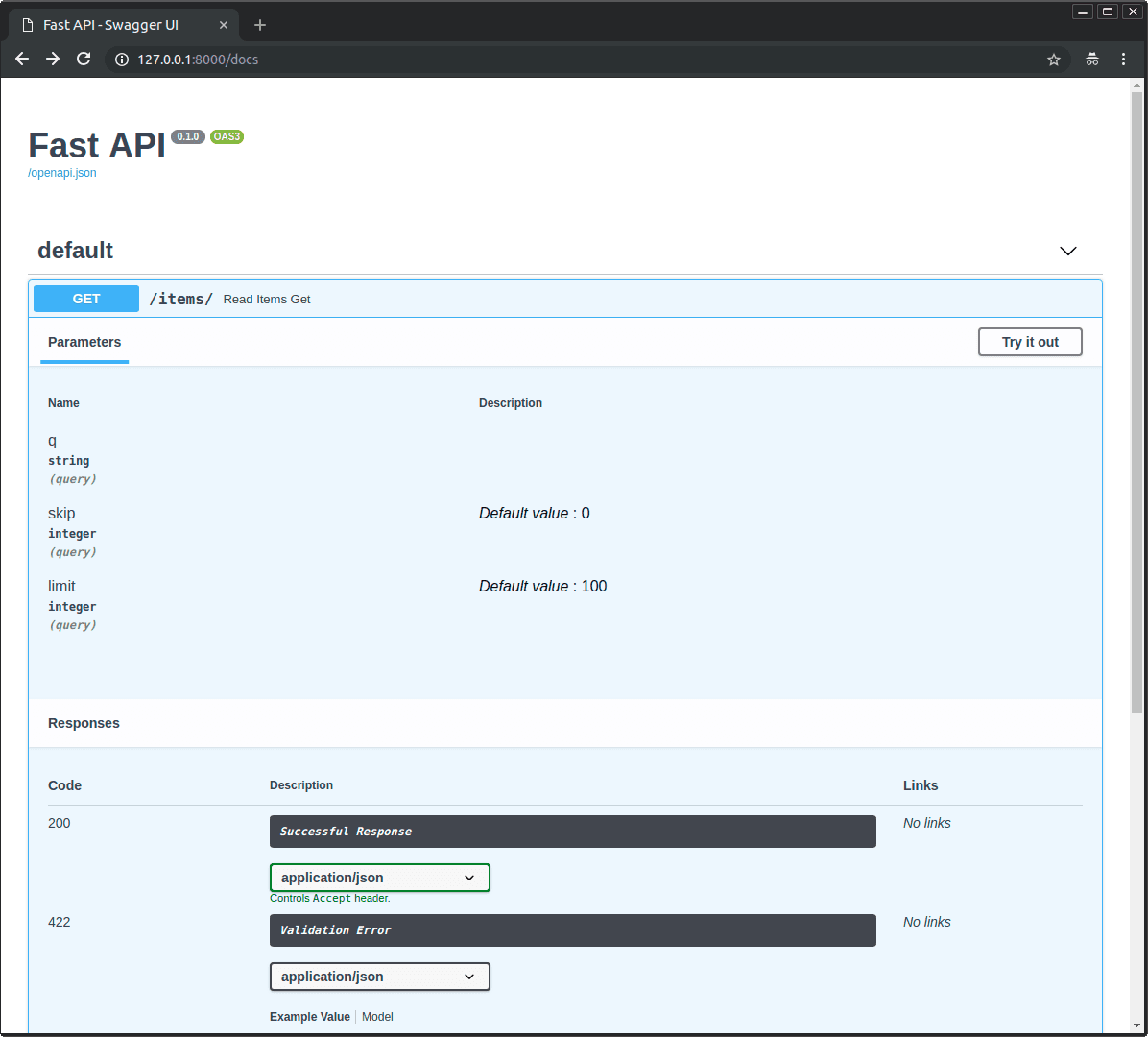
How would you implement a dependency requiring multi-source parameters?
Tests if you know FastAPI resolves dependency params like endpoint params. Great answers annotate each parameter with its source inside the dependency so FastAPI injects them independently. Red flag: manually parsing Request or merging values in the endpoint.
What is the difference between unwrap and expect on Option and Result?
It tests your Rust error-handling discipline and justified panics. Both extract values or panic, but expect adds a custom message. Use them only for unrecoverable invariant violations, not routine errors. A red flag is using them as lazy error propagation.
Write a request-logging middleware in Express
Read req.method, log with a timestamp, then call next() to continue.
Stages of executing a SELECT query
Parse the SQL into a tree, bind and validate against the catalog, optimize into a physical plan, then execute the plan operators fetching data and returning rows.
How does lifecycle differ for global vs path operation dependencies?
Global deps run on every request to any route; path-local deps run only for that route; expensive setup belongs in a lifespan event or cached singleton, not a dependency.
How does the question mark operator use From to unify error types?
This tests Rust error conversion mechanics. You define a unified enum error and implement From for each source error so ? automatically converts via From::from. A red flag is suggesting manual match or map_err on every call instead of trait-based conversion.
Application-level vs router-level middleware
App.use() binds to the app and runs everywhere; router.use() binds to a Router and runs only for that router's routes.
Why developers read query plans
The plan shows the operators the optimizer chose to run a query; developers read it to find why a query is slow; a common thing to look for is a full table scan where an index was expected.
Explain the internal role of the Depends class
A strong answer notes it marks parameters for solver, enables recursive sub-dependencies and Annotated sharing, and feeds OpenAPI.
Design a custom Go error type with context, Is, As, and Unwrap
This tests Go 1.13 error wrapping and Unwrap conventions. Answer: struct with Err and context fields; implement Error and Unwrap; note errors.Is and errors.As walk the chain. Red flag: stringifying the error via fmt.Errorf %v, which severs unwrapping.
Express error-handling middleware signature
(err, req, res, next) with err first, identified by arity, placed last after all routes.
Joining a large table with a small one
With a tiny table the optimizer often picks a hash join, building a hash table on the small side in memory, then probing it once per row of the large table in a single pass.
When to panic in Go versus Rust
Both reserve panic for unrecoverable bugs and use values, Result or error, for expected failures; Rust's type system pushes more cases to Result.
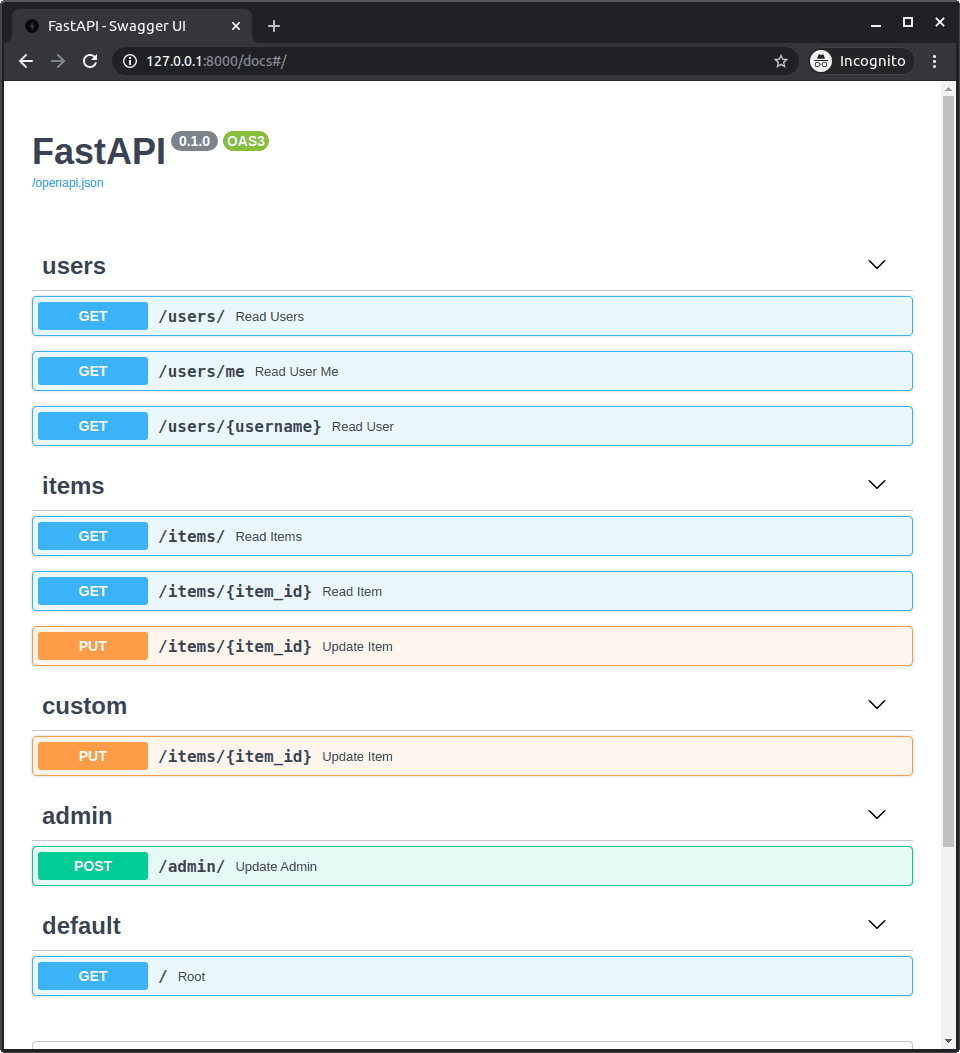
What is APIRouter in FastAPI and why use it?
It tests your grasp of modular architecture in FastAPI. APIRouter splits routes into separate modules so you include them in the main app with prefixes, tags, and dependencies.
We are hiring for this. Every open role lists the topics its interview covers, so you can prepare for the real thing rather than guessing.
See open roles