Easy everything in Backend Dev, page 8

Compare Go's GC and Rust's ownership across performance, productivity, and safety
This tests memory-model trade-offs. Contrast Rust's compile-time ownership for deterministic, zero-cost safety against Go's GC, which optimizes simplicity and onboarding but adds runtime overhead. Red flag: calling one strictly superior.
What is the difference between DDL and DML in SQL?
DDL shapes schema with CREATE or ALTER; DML handles row-level data with SELECT, INSERT, UPDATE, or DELETE.
Explain ACID properties and why they matter for banking or e-commerce
Define each as a failure-handling guarantee; show how partial commits cause double-spending.
What is the difference between primary, foreign, and unique keys?
This tests relational integrity basics. Answer: primary keys identify rows, foreign keys reference tables, and unique keys are alternate candidates. Red flag: saying unique keys are just for indexing or omitting a non-PK example like email.

How SQL Queries Become Abstract Syntax Trees
An AST turns a flat SQL string into a tree of operations the database can reason about. The parser builds this tree before execution planning. Do not confuse it with the raw parse tree, which keeps punctuation and formatting the AST strips away.
DML: Insert, Update, and Delete
DML is the change-focused subset of database languages like SQL that adds, modifies, and removes data. It appears in every write to a table. The footgun is assuming SELECT belongs in DML; read-only querying is sometimes split out as DQL instead.

DDL: The Blueprint for Database Objects
DDL is the blueprint for your database. You reach for it when spinning up new tables, indexes, or user permissions, not when querying rows. The footgun is running DROP thinking you are deleting data, not vaporizing the entire table structure.
Your First Python Dockerfile Blueprint
A Dockerfile is a recipe for building a self-contained environment for your Python app. Use it to ensure your app runs identically everywhere, from your laptop to production. The common footgun is forgetting a .dockerignore file, which bloats your image.
FastAPI Lifespan: Code Before Startup, After Shutdown
FastAPI's lifespan events are "open for business" and "closing time" routines that run once before startup and after shutdown. Use them to initialize a DB pool or load a model. The footgun is putting request-specific logic here; it runs once only.
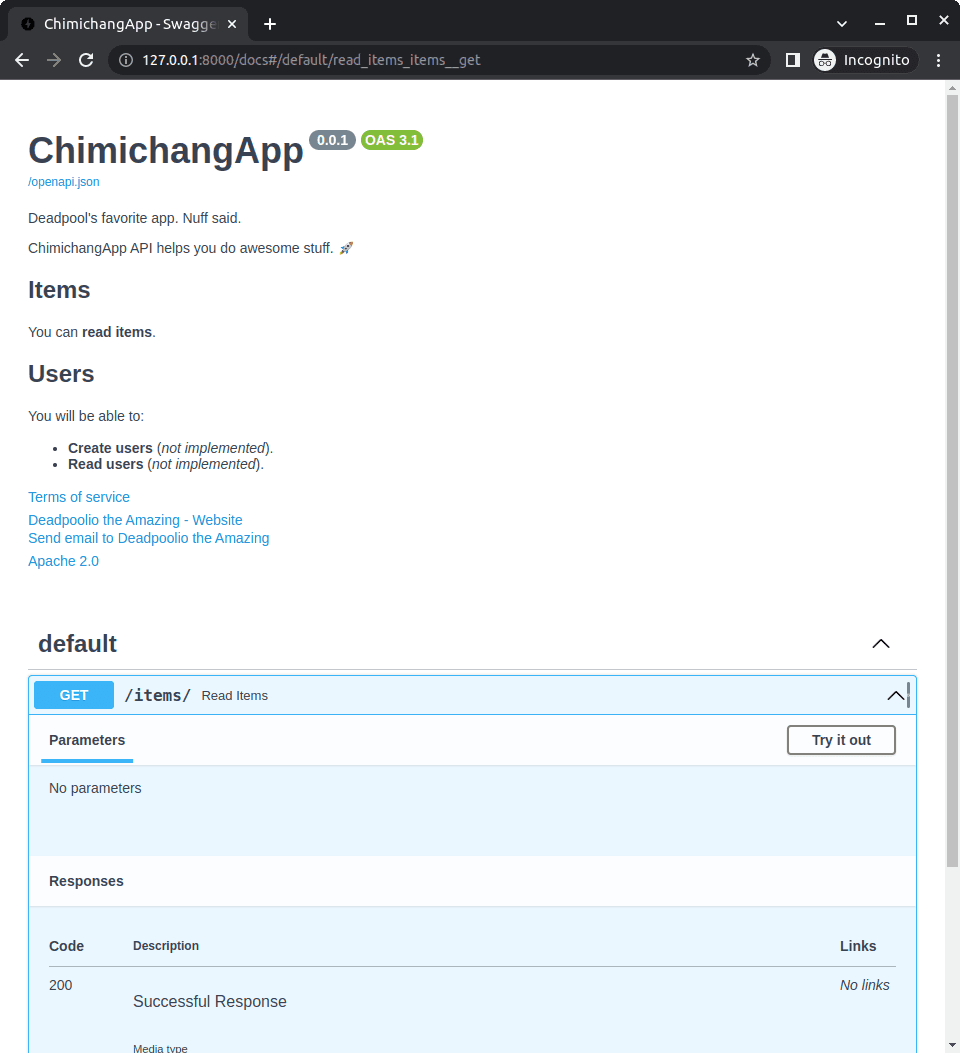
FastAPI: Configure API Metadata for Better Docs
Think of FastAPI metadata as your project's business card. It sets the title, version, and description in your auto-generated docs, making your API professional and discoverable. The main footgun is forgetting to update the version string after a release.
pytest Fixtures: Reusable Test Setups
Pytest fixtures are reusable functions for test setup, like creating sample data. Your tests request them by name as arguments, and pytest automatically runs them and injects the results.
FastAPI's TestClient: Test Your API Without a Live Server
FastAPI's TestClient simulates API requests in-memory, letting you test endpoints without a live server. Use it with pytest to verify status codes and responses. The main footgun is forgetting to pip install httpx, as it's a required dependency.
FastAPI Background Tasks: Don't Make the Client Wait
FastAPI background tasks let you run slow operations, like sending an email, *after* returning a response. This keeps your API fast. The main footgun: these are fire-and-forget; a server crash means the task is lost without a real message queue.
CORSMiddleware: Unblocking Your Frontend from Your Backend
CORS is a browser security rule, not a server bug. Use FastAPI's CORSMiddleware to tell browsers which frontends (e.g., localhost:3000) are allowed to fetch data from your API (e.g., localhost:8000).
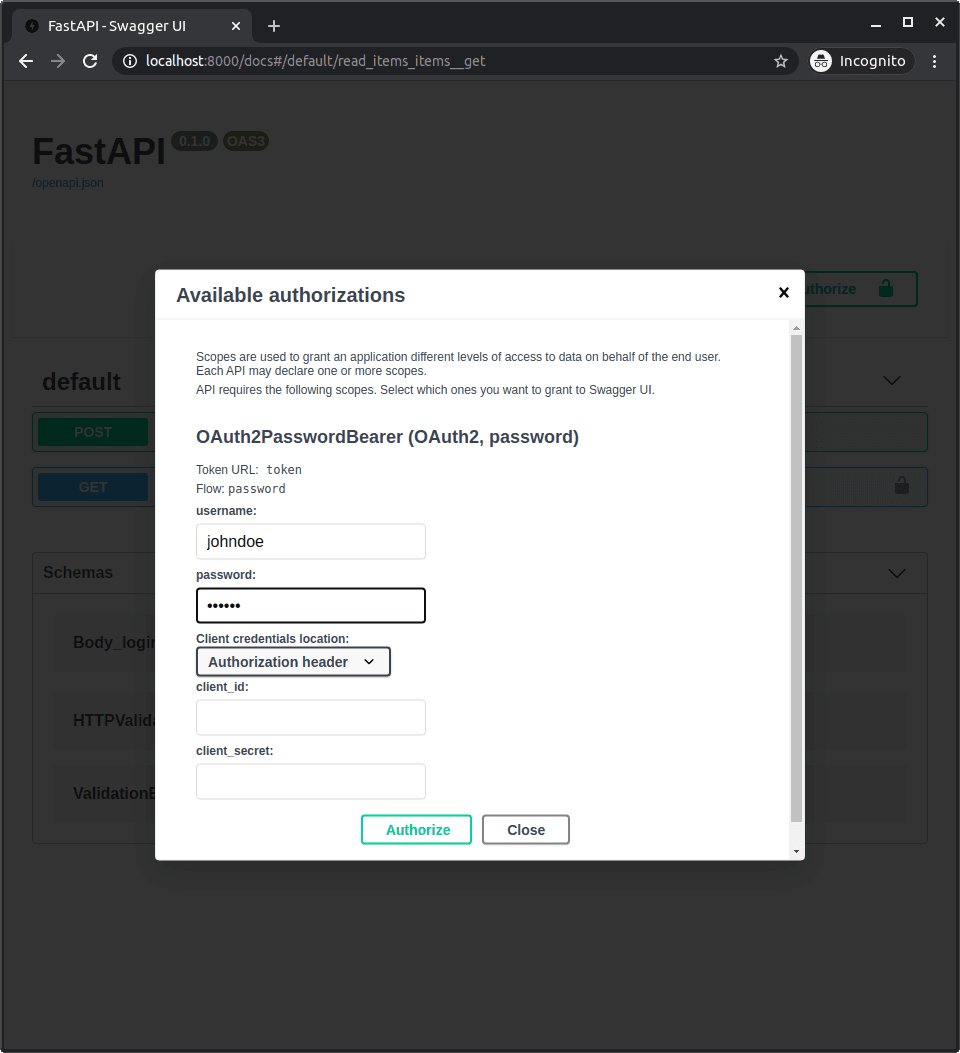
OAuth2 Password Flow: Trading Credentials for a Token
The OAuth2 Password Flow trades a user's credentials for a temporary access token. It's used in trusted first-party apps, like a mobile app logging into its own backend, to avoid sending a password with every API call.

Password Hashing with Python's Passlib
Passlib turns plaintext passwords into secure, salted hashes that are safe to store. Use it in any Python app with user accounts to handle logins. The footgun: never compare hashes directly; always use the .verify() method to prevent timing attacks.
SQLAlchemy Declarative: Python Classes as Database Tables
SQLAlchemy's Declarative Mapping lets you define database tables as Python classes. You write a class with typed attributes, and SQLAlchemy generates the SQL. It's the standard way to use the ORM, turning database rows into Python objects.
SQLAlchemy Engine vs. Session: The Switchboard and the Call
Think of SQLAlchemy's Engine as the database switchboard (one per app) and a Session as a single, short-lived phone call (one per request). This pattern is standard in FastAPI for managing database connections.
The asyncio Event Loop: One Thread, Many Tasks
The asyncio event loop is a manager for a single-threaded process, juggling tasks to prevent idleness during slow I/O. It's the core of apps like FastAPI, handling network requests efficiently. The footgun is interacting with it directly; use asyncio.run().
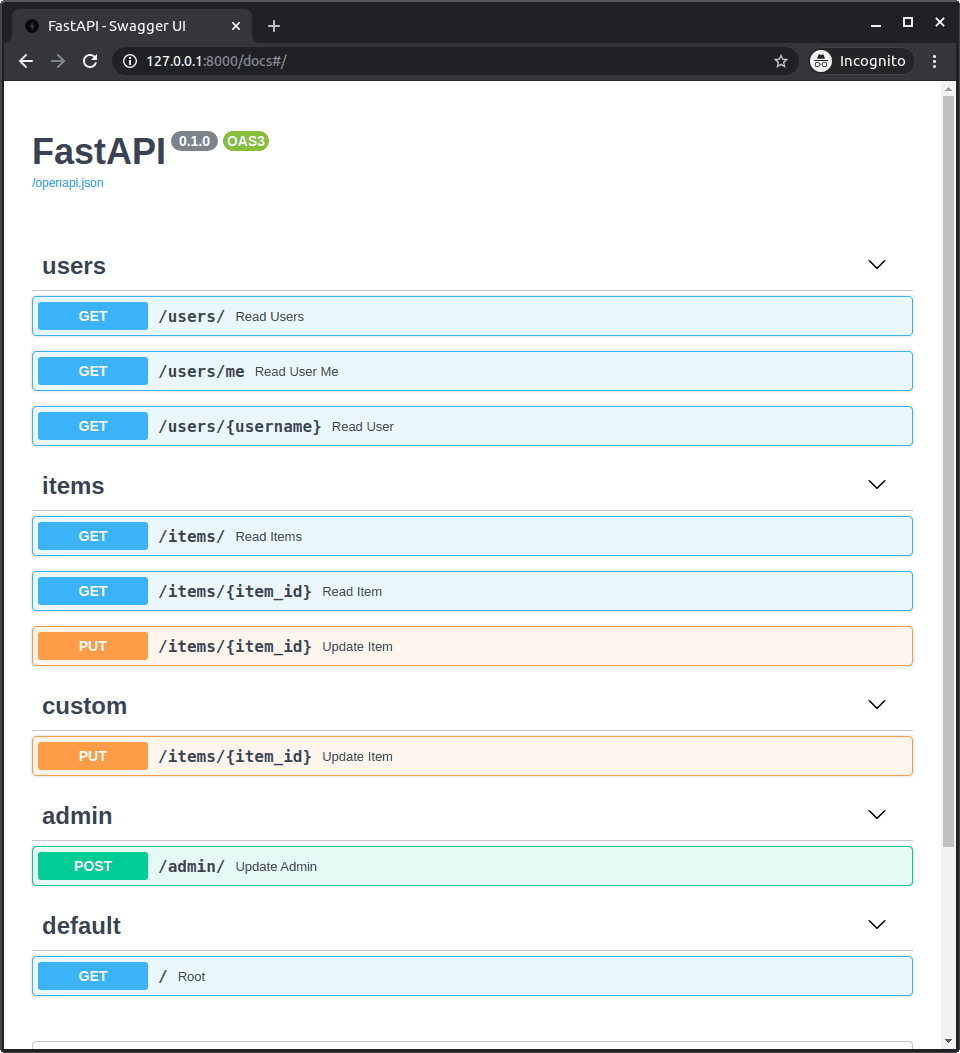
FastAPI: Splitting Your App with `include_router`
app.include_router is like plugging a pre-wired power strip of API endpoints into your main FastAPI app. It lets you organize a large app into smaller files by feature, then combine them. The footgun is forgetting to add a URL prefix for each router.
We are hiring for this. Every open role lists the topics its interview covers, so you can prepare for the real thing rather than guessing.
See open roles