Intermediate interview questions in CI/CD & Automation, page 3
How would you instrument CI/CD to measure a DORA metric accurately?
Tests mapping DORA definitions to pipeline events. A strong answer picks one metric, defines exact boundaries from merge to production, and correlates deployments with incidents.
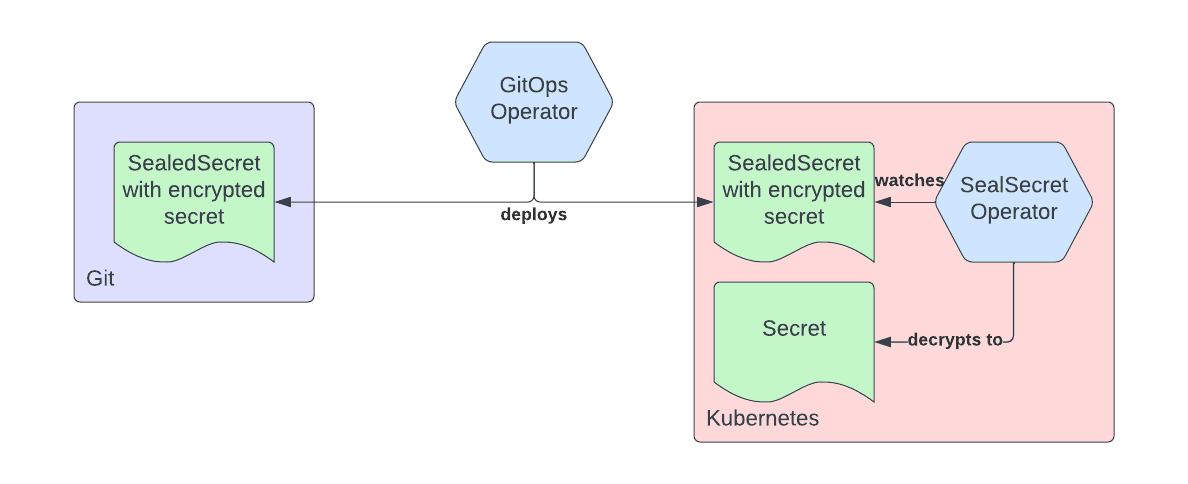
How do you secure secrets in a GitOps repository?
Tests whether you treat Git as source of truth while excluding plaintext credentials. A strong answer covers encrypting at rest with SOPS or Sealed Secrets, external stores like Vault, and operator workflows.
Two common GitOps repository layouts for multiple environments
Tests GitOps state-store trade-offs beyond single-cluster demos. Contrast a monorepo with directory overlays against repo-per-env; weigh polling overhead, blast radius, and promotion flow. Recommending branch-per-env destroys immutability and invites drift.
Automate a canary release with a 1% 5xx error threshold
This tests wiring an SLO into an automated canary loop. A strong answer covers traffic splitting via a mesh or ingress, an analysis query to Prometheus for 5xx rate, and auto-promote or abort logic.
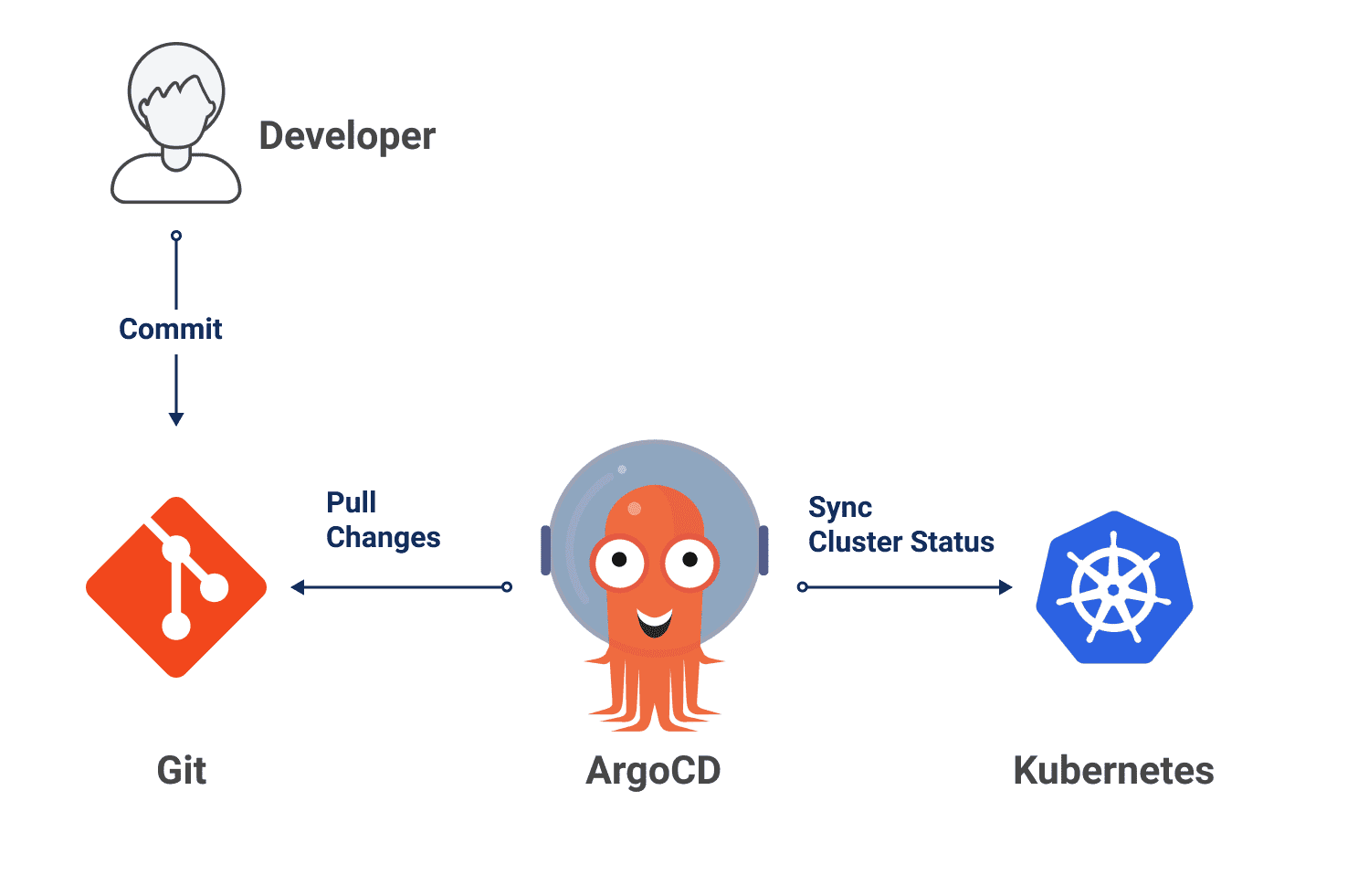
What is configuration drift in GitOps and how do tools handle it?
This tests declared and actual state and GitOps reconciliation. A strong answer defines drift as out-of-band changes, notes auditability, and contrasts self-healing sync with read-only detection. A red flag is suggesting manual patches rather than fixing Git.

Diagnose CI/CD queue bottlenecks and propose three throughput improvements
This tests CI/CD scheduling and queuing theory. A strong answer profiles queue versus execution time, then proposes right-sizing parallelism, aggressive caching, and workload sharding. A red flag is jumping straight to adding agents without measuring first.
How would you collect metrics and KPIs for your Internal Developer Platform?
This tests product-thinking: treating developers as customers, not captive users. Strong answers cover adoption (golden-path usage), developer experience (deploy speed, NPS), and business value. Red flag: tracking CPU or uptime without linking to adoption.
Design a Docker artifact system for cost, traceability, and speed
Tests cost-speed-auditability tradeoffs for artifacts at scale. Strong answers cover tiered storage with lifecycle policies,immutable build provenance,regional caching, and automated garbage collection. Red flag: infinite mutable storage with no cleanup rules.
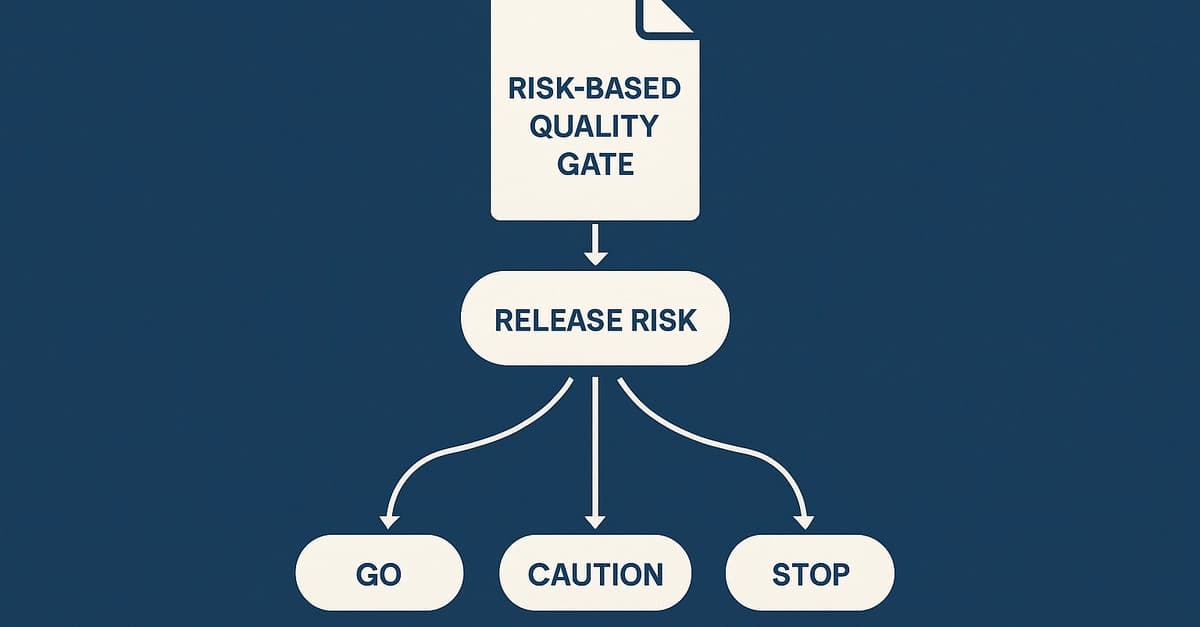
Design a dynamic, risk-based quality gate system
Tests if you can move CI/CD from binary pass/fail to contextual risk scoring. Strong answers define criticality tiers, weight signals by severity and blast radius, and emit GO/CAUTION/STOP states.
Compare monorepo and polyrepo strategies in CI/CD
Tests repo structure impact on builds, dependencies, and pipeline triggers. Contrast monorepo atomicity with polyrepo autonomy; cover monorepo change-detection versus polyrepo versioning and contract tests.
.webp&w=1600&q=75)
How would you design an automated artifact repository cleanup policy?
Balancing cost, compliance, and speed via tiered artifact retention. A strong answer covers age rules, deployment state, protected tags, and dry-run gates.

How would you implement zero-downtime secrets rotation?
Inventory secrets and app caching; baseline monitoring; dual-phase rotation with overlapping secrets; verify before revoking old.
How do you keep one build artifact immutable across environments?
This tests separation of build and run stages. A strong answer packages one artifact with zero embedded config, then injects env vars or mounted secrets at deploy time via the platform. Red flags include per-stage rebuilds or config baked into the image.
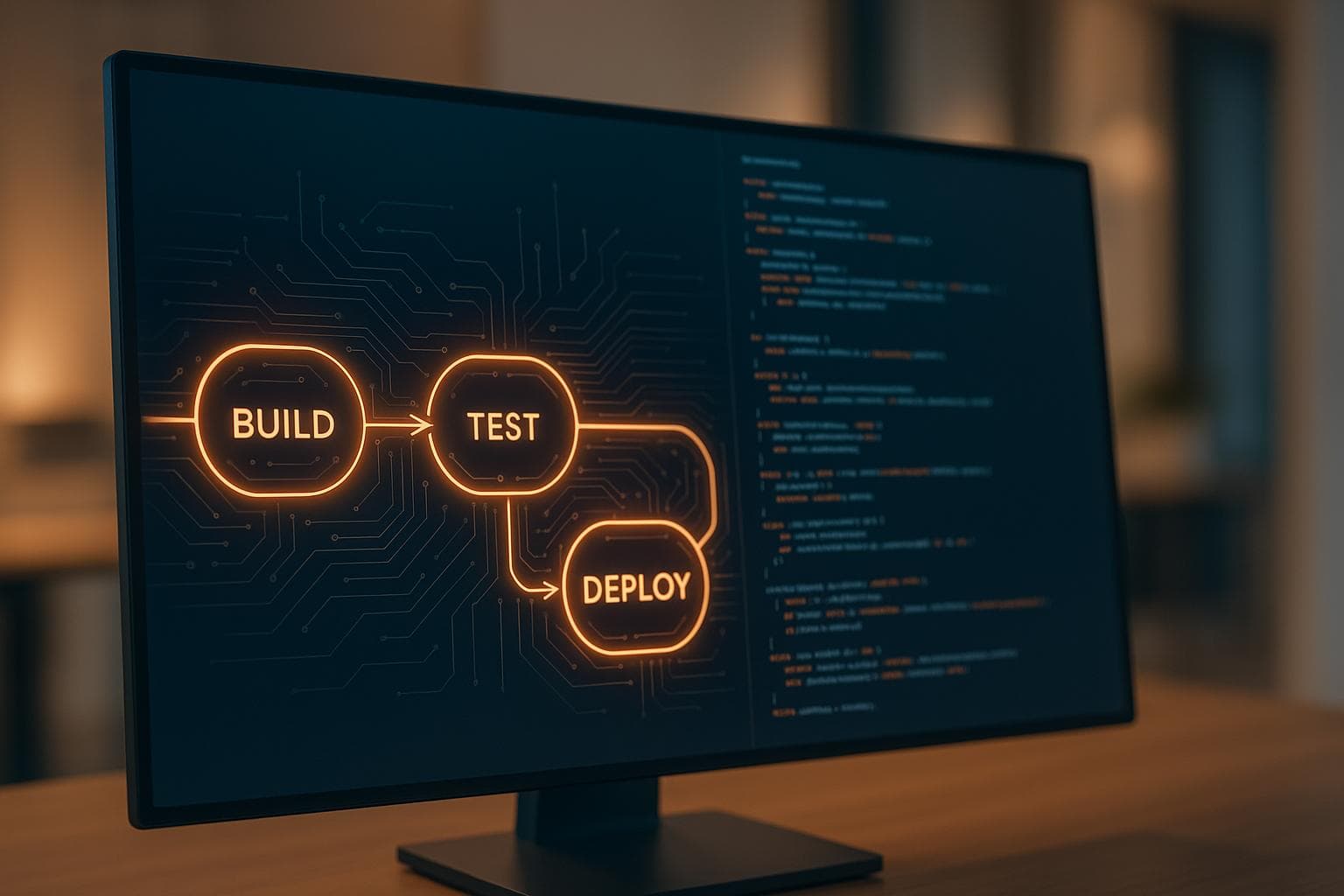
How would you add E2E tests to CI and what challenges arise?
This tests CI/CD pipeline design. Cover Dockerized environments, parallel runs, flaky-test retries, and selective execution such as critical tests per commit and full suites nightly. Red flag: running all tests on every commit without isolation or retries.

How do you speed up slow integration tests without compromising quality?
Tests your ability to optimize CI/CD pipelines while preserving coverage. A strong answer covers parallel execution, Test Impact Analysis, ephemeral containers, and test data as code. Red flag: proposing to delete tests or disable integration stage entirely.
How do you implement security policies as code across CI pipelines?
This tests operationalizing Policy as Code for security scanners at scale. Strong answers cover centralized version-controlled rules consumed by CI pipelines with automated gates and exception workflows. Red flag: teams maintaining independent scanner configs.
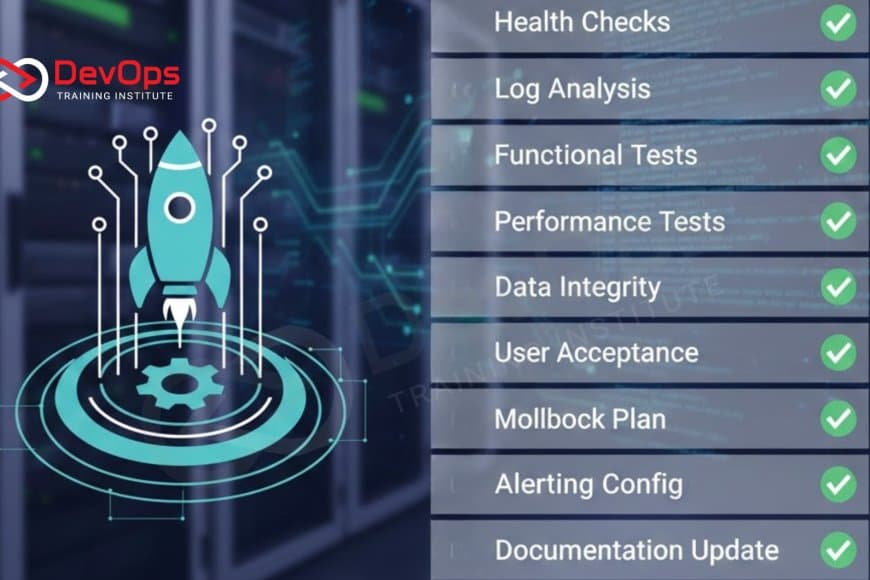
How do you add a basic post-deployment health check in CI/CD?
Tests deployment validation beyond exit-code success. Outline: add a post-deploy stage that probes an HTTP endpoint, checks status code and latency, validates critical dependencies, and triggers rollback on failure.
Explain .gitignore and its impact on faster, reliable, secure CI builds
Exclude build artifacts to shrink clones and stabilize cache keys; block secrets from runners.
What is Git LFS and what are its CI/CD trade-offs?
This tests whether you understand Git's object model limits. A strong answer covers pointer indirection, smudge filters, and the shift of download burden to the LFS server in CI. A red flag is claiming LFS eliminates large file transfers entirely.
What is static analysis in automated builds, with examples?
This tests if you treat static analysis as a pre-runtime quality gate. A strong answer says it shifts feedback left via non-execution scans, citing cyclomatic complexity or unhandled promise rejections.
We are hiring for this. Every open role lists the topics its interview covers, so you can prepare for the real thing rather than guessing.
See open roles