Easy concepts in Cloud Platforms, page 2
Encryption in Transit: Protecting Data on the Move
Encryption in transit acts like a locked box for data moving across a network. It secures everything from website connections (HTTPS) to data moving between services inside a cloud network.
Managed Databases: Let the Cloud Handle Ops
A managed database is like leasing a car with a full-service plan instead of fixing it yourself; you trade control for convenience. This is the model for AWS RDS or GCP Cloud SQL.
Securing Cloud Database Endpoints
Treat your database endpoint like a public API, even if it's "internal." A Zero Trust approach verifies every connection request, granting access based on identity and context, not network location. This prevents unauthorized data access, a top cloud threat.
Managed Database Backups: Your Cloud's Undo Button
Think of managed backups as your cloud provider's automated safety net for your database. It periodically saves snapshots, letting you restore to a point in time after a failure.
AWS Elastic Beanstalk: Your App, Not Your Servers
Elastic Beanstalk is a PaaS-like wrapper for AWS infrastructure. You upload your code, and it handles provisioning servers, load balancers, and scaling. It's great for standard web apps but its abstraction is leaky; debugging often requires knowing the…

Procfile: Declare Your App's Startup Commands
A Procfile is the start script for your cloud app, telling the platform what commands to run. You use it to define processes like a web server for HTTP traffic or workers for background jobs.
AWS SDK: Code That Operates Your Cloud
The AWS SDK turns AWS API calls into native code so your app can command S3 or DynamoDB directly. It handles auth, retries, and formatting automatically. The footgun: forgetting region or credentials causes silent failures that look like network errors.
Containerization: Packaging Apps to Run Anywhere
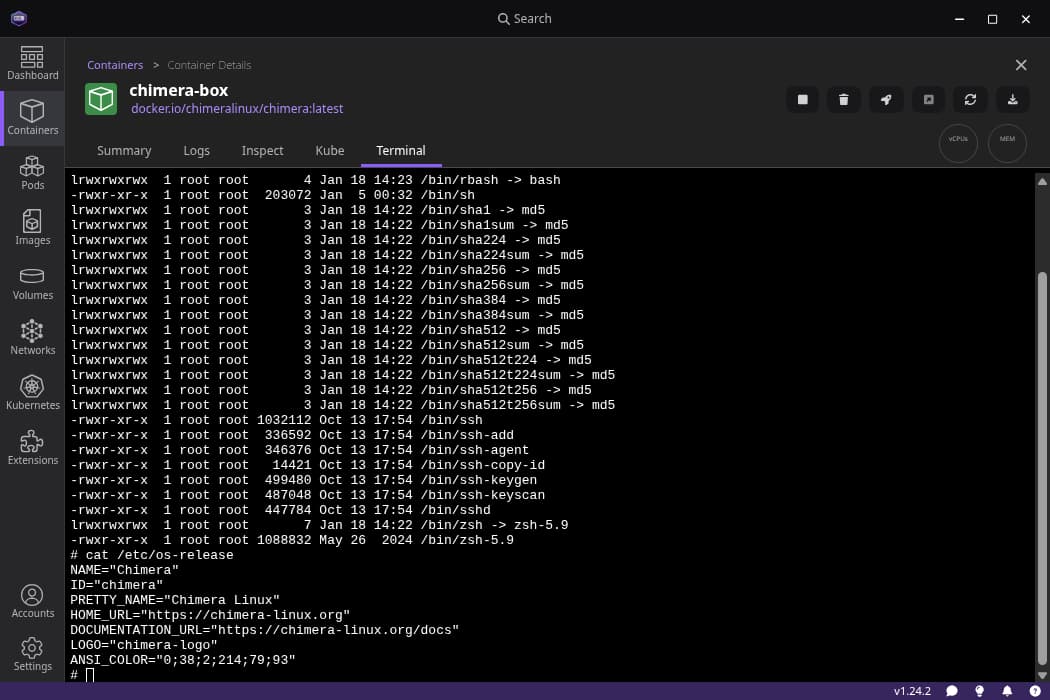
Think of a container as a standardized box for your app, bundling its code and all dependencies. This ensures it runs the same everywhere, solving "it works on my machine" problems. The footgun is confusing them with VMs; containers are less isolated.
Docker Engine: Shipping Your Code in a Standard Box
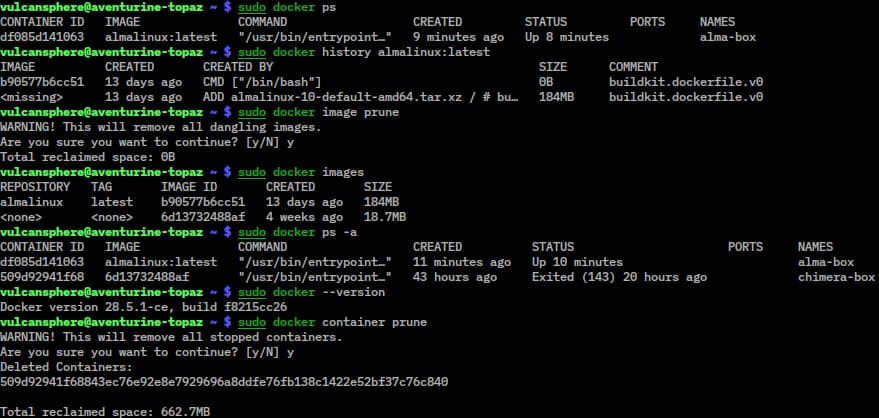
Think of Docker as a standard shipping container for your code. It packages an app and all its dependencies into one unit that runs anywhere, solving the classic "it works on my machine" problem. The footgun is confusing it with a full VM; it's lighter.

API Gateway: The Front Door for Your Microservices
An API Gateway is the single front door for all your backend services. It handles tasks like authentication and rate limiting before routing requests to the correct microservice. The footgun is treating it as a simple proxy; it can become a bottleneck.
Serverless Cold Starts: The Price of 'Pay-per-Use'
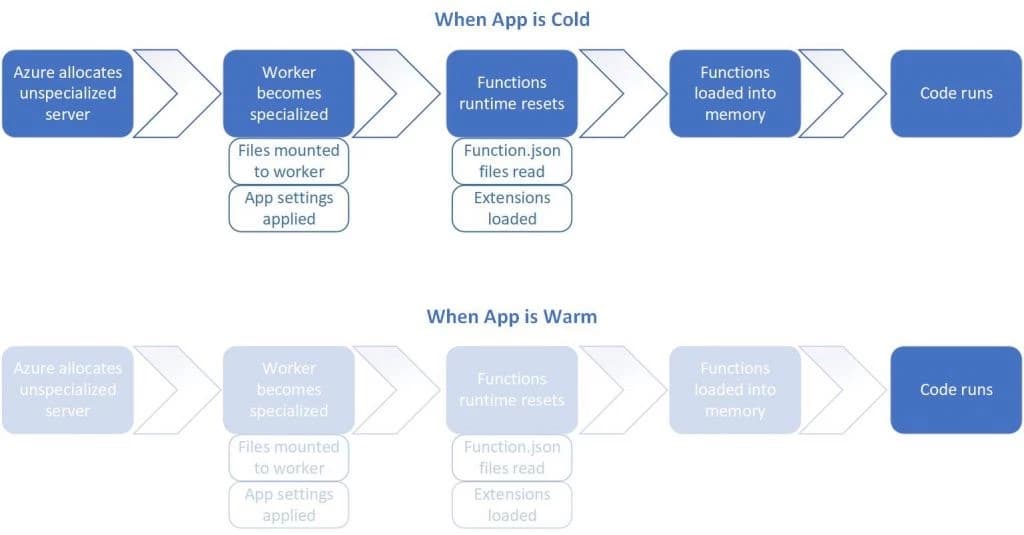
A serverless cold start is the initial delay when a function boots from scratch, like waking a computer from being off versus asleep. It happens on the first request or after inactivity.
Dead-Letter Queues: A Message Queue's Lost-and-Found
A Dead-Letter Queue (DLQ) is a message queue's lost-and-found, catching messages that can't be delivered. It's used to isolate "poison pill" messages that crash consumers or messages that have expired.
Centralized Logging: A Universal Inbox for Your Systems
Centralized logging is a universal inbox for all your system events. Instead of SSHing into each server, agents forward logs to one searchable location, making it possible to debug issues that span multiple services. The footgun is inconsistent log formats.

Consolidated Billing: Combine Cloud Bills for Bigger Discounts
Consolidated Billing is like a family phone plan for AWS accounts. It rolls multiple accounts into one bill, letting you share volume and savings plan discounts across the entire organization.
AWS Cost Explorer: Visualize and Forecast Your Cloud Spend
Cost Explorer is your cloud bill's interactive dashboard, turning raw data into trend graphs and forecasts. Use it to find which service is driving up costs or to predict next quarter's bill. The main footgun: once enabled, it cannot be disabled.
Cloud Budgets: Your Guardrail Against Overspending
A cloud budget is a spending alarm for your cloud account. It warns you when costs approach a limit you've set, preventing surprise bills. Use it to track monthly spend or monitor usage. The main footgun: billing data lags, so you can overspend before an.
MapReduce: Divide and Conquer for Big Data
MapReduce breaks a huge data job into smaller, parallel tasks across a cluster. It's ideal for batch processing massive datasets, like indexing the web. The common footgun is using it for real-time queries; it's built for throughput, not speed.

Batch vs. Stream Processing: When to Process Data
Batch processing is like a nightly report, crunching a full day's data at once. Stream processing is a live feed, handling events as they arrive. Use batch for ETL jobs and stream for real-time fraud detection.
Managed ML Platforms: Heroku for Machine Learning
A managed ML platform is like Heroku for machine learning, providing an integrated environment for the entire model lifecycle. Use it to build, train, and deploy models without managing servers, data pipelines, or inference endpoints yourself.
AutoML: Automating the Machine Learning Workflow
AutoML automates the repetitive, trial-and-error parts of building a machine learning model, like picking the best algorithm and tuning its settings. Use it to quickly build baseline models or when your team lacks deep ML expertise.
We are hiring for this. Every open role lists the topics its interview covers, so you can prepare for the real thing rather than guessing.
See open roles