Concepts in Computer Vision, page 4

Intersection over Union (IoU): How Good is Your Bounding Box?
Intersection over Union (IoU) scores how well a predicted box matches the real one by dividing their overlap area by their total area. It's vital for object detection in self-driving cars and medical imaging.
Region Proposal Network (RPN): The 'Where to Look' Engine
An RPN is an 'attention' mechanism for object detection, telling the model where to look. It replaces slow, external proposal methods in systems like Faster R-CNN for autonomous driving.
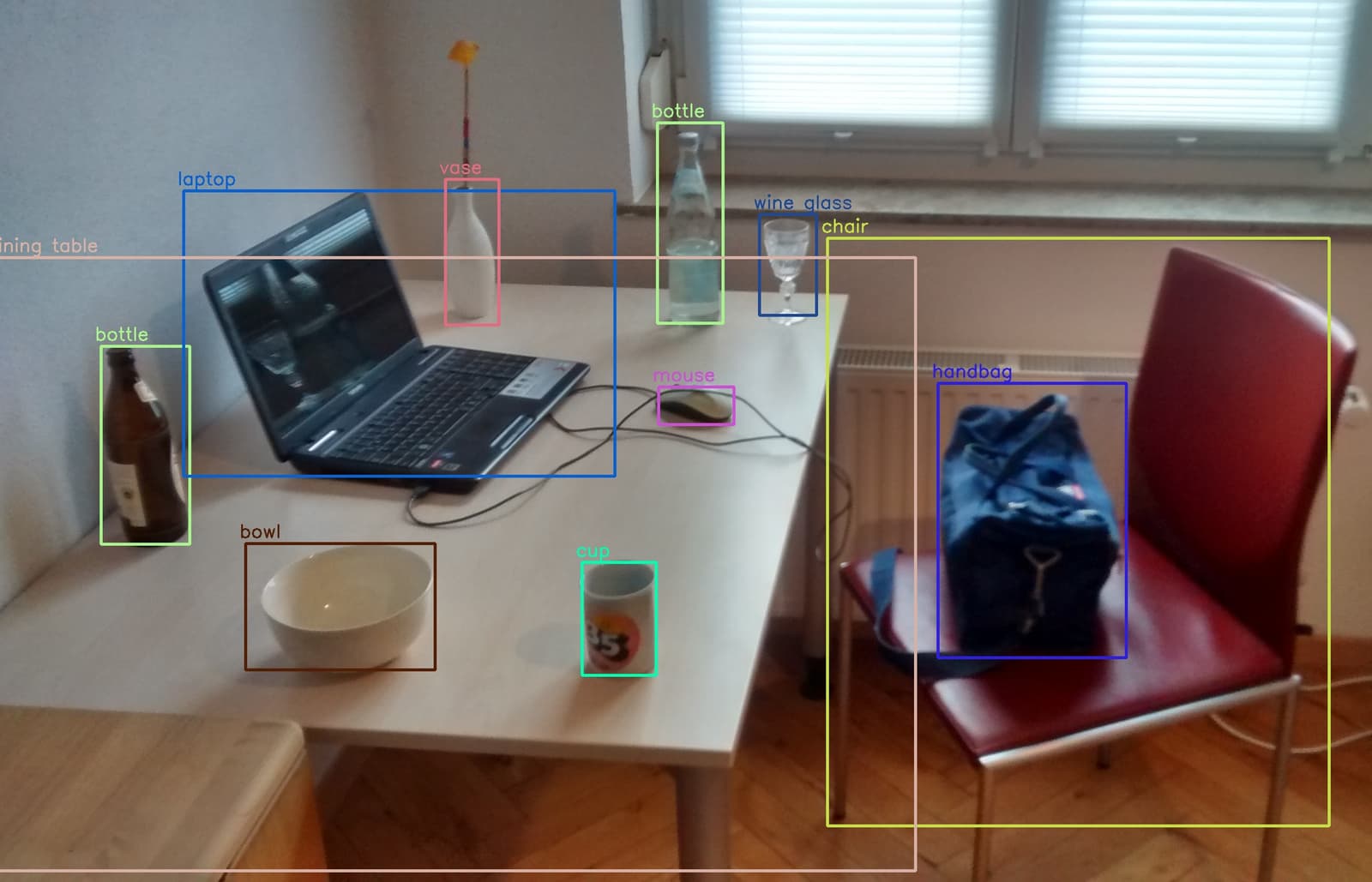
YOLO: Real-Time Object Detection in a Single Pass
YOLO treats object detection as a single regression problem, looking at an image once to predict all bounding boxes and classes. This makes it extremely fast, perfect for real-time video analysis.
SSD: Real-Time Detection Without Region Proposals
SSD scores default boxes across multiple scales in one forward pass. It runs real-time robotics and mobile vision where two-stage detectors lag. The footgun is ignoring shallow feature maps, which destroys small object accuracy as early layers carry fine…
Focal Loss: Forcing Models to Learn from Hard Examples
Focal Loss tells your model to ignore the easy examples during training and focus on the hard ones. This is critical for object detection, where thousands of background patches can overwhelm the few actual objects, creating a massive class imbalance.
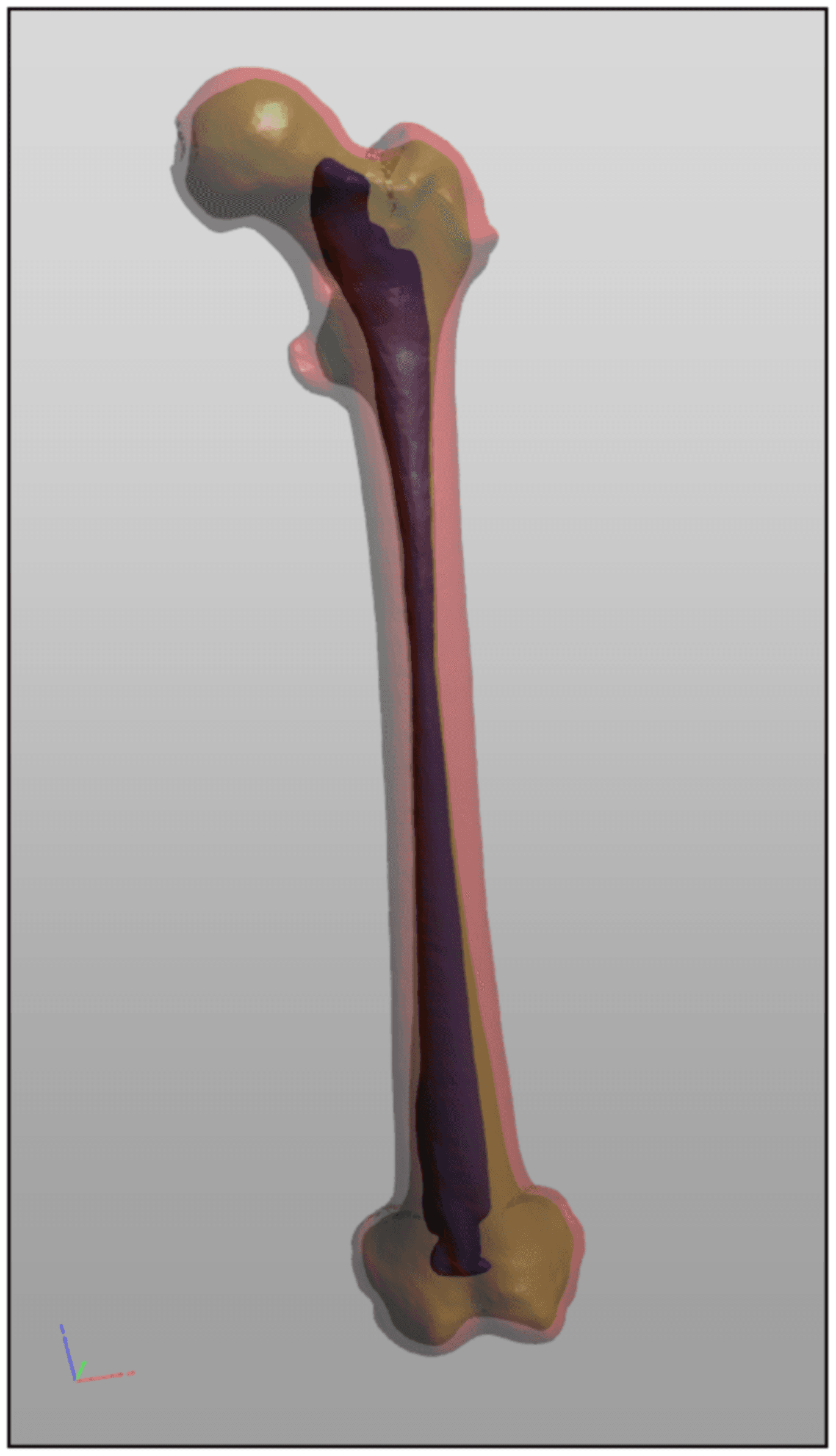
Instance Segmentation: Counting and Outlining Objects
Instance segmentation identifies and outlines each distinct object in an image, labeling 'car 1' and 'car 2' separately. It's crucial for self-driving cars tracking individual pedestrians.
Fully Convolutional Networks: From Image to Segmentation Map
An FCN turns a standard image classifier into a pixel-level labeler by replacing its final layers with convolutions to preserve spatial data. It's used for semantic segmentation, like identifying all cars and roads in a street scene.
U-Net: Segmentation with Less Data
U-Net retrofits fully convolutional networks to segment images precisely with fewer training examples. It runs a 512 by 512 frame in under a second on a 2015 GPU, fitting latency-sensitive pipelines.

Dilated Convolution: A Wider View Without More Parameters
Dilated convolution gives a filter a wider view by skipping pixels, like reading every Nth word to get the gist. This helps models in semantic segmentation see broader context without the resolution loss of pooling.

Dice Loss: Measuring Overlap for Image Segmentation
Dice Loss measures pixel overlap between predicted and true segmentation masks, like a Venn diagram for images. It excels in medical imaging with imbalanced classes, like finding a small tumor. The footgun: it can be unstable with very small objects.
Panoptic Segmentation: A Unified View of a Scene
Panoptic segmentation unifies two tasks: it labels every pixel with a class ('stuff' like road, sky) and also identifies individual object instances ('things' like car 1, car 2). It provides a complete scene understanding for autonomous driving and robotics.

DeepLab: Pixel-Level Semantic Image Segmentation
DeepLab assigns a class label like 'road' or 'person' to every pixel in an image. This powers features like smartphone portrait mode by precisely outlining objects. The key challenge is achieving sharp object boundaries, not just coarse bounding boxes.
Mask R-CNN: Region-Based Detection
Mask R-CNN belongs to the R-CNN family core: selective search over CNN feature maps yields bounding boxes with object categories. Reusing convolutional features for localization, not just classification, is the win.
Conditional Random Fields: Labeling with Context
A Conditional Random Field (CRF) makes predictions that know their neighbors, enforcing that nearby pixels in an image get similar labels. It cleans up raw segmentation outputs by considering local context.
Frame Differencing: The Simplest Way to See Motion
See motion by subtracting one video frame from the next; what's left over is what moved. This is used for simple motion detection but is easily fooled by lighting changes or camera shake, which it misinterprets as movement.
Background Subtraction: Finding What's Moving in Video
Think of a security camera that has memorized the empty room. Background subtraction digitally 'subtracts' this static view from the live feed, leaving only moving objects. It’s used to spot intruders or count cars, but fails if the background itself changes.
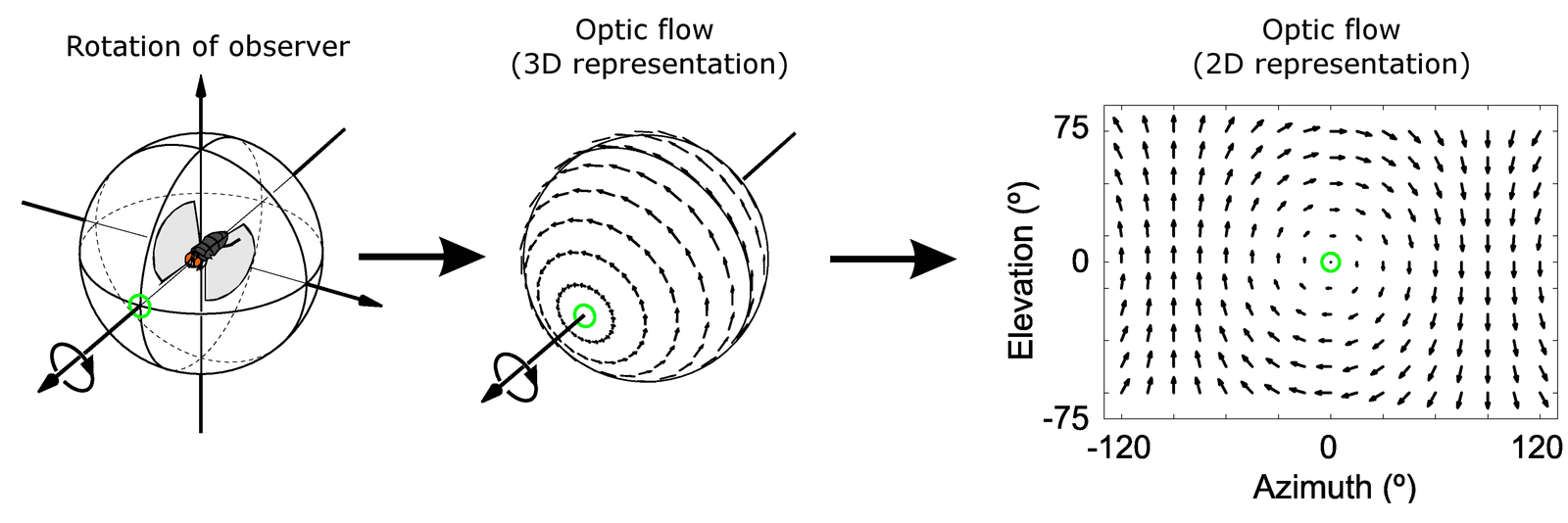
Optical Flow: Tracking Motion by Watching Pixels
Optical flow tracks motion by watching how brightness patterns move between video frames. It's used for video compression and robot navigation. The main footgun is that it can mistake lighting changes, like a shadow moving, for actual object motion.
Action Recognition: Teaching Machines to Understand 'Doing'
Action recognition teaches computers to understand *what* is happening in a video by analyzing motion over time. It's used for fall detection in healthcare, sports analysis, and security. The footgun is confusing it with single-frame object detection.
Lucas-Kanade Method: Tracking Pixel Patches, Not Points
The Lucas-Kanade method tracks motion by assuming a small patch of pixels moves as a single unit. This overcomes the ambiguity of tracking one pixel. It's fundamental to video stabilization and feature tracking.
Horn-Schunck: Assuming Smooth Motion to See Clearly
The Horn-Schunck method estimates video motion by assuming neighboring pixels move similarly. This global 'smoothness' constraint solves the aperture problem, where local views give ambiguous motion data.
We are hiring for this. Every open role lists the topics its interview covers, so you can prepare for the real thing rather than guessing.
See open roles