Easy everything in Computer Vision, page 4

Epipolar Geometry: Finding 3D Points from 2D Images
Epipolar geometry finds a 3D point from two 2D views by constraining the search. Instead of scanning the whole second image for a match, you only look along a single line. It's key for 3D reconstruction. The footgun is assuming perfect pinhole cameras.
Hough Transform: Finding Shapes by Voting
The Hough Transform finds shapes by letting pixels "vote" for all lines or circles they could belong to. It's used to detect features like road lanes in noisy images.
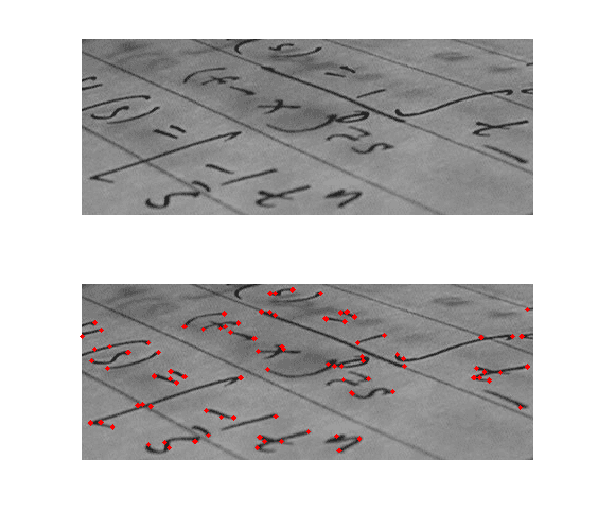
Corner Detection: Finding Stable Points in Images
Corner detection finds stable reference points in an image by looking for areas where pixel intensity changes sharply in multiple directions. It's used to track objects in video, stitch panoramas, and recognize objects by their features.
Harris Corner Detector: Finding Sharp Changes in Images
The Harris detector finds corners by looking for points where image intensity changes sharply in all directions. It's used in image stitching and object tracking to find stable feature points. A key weakness is its sensitivity to image scale.
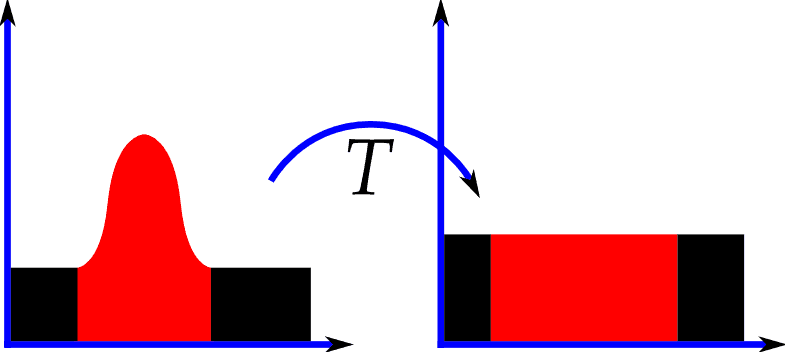
Histogram Equalization: Spreading Out Pixel Brightness
Think of histogram equalization as automatically stretching an image's contrast. It takes dark or washed-out images and spreads their pixel brightness values across the full available range, revealing hidden details. The footgun: it can amplify noise.

Image Scaling: Resizing Pixels Without Ruining Them
Image scaling isn't just stretching a picture; it's inventing or discarding pixel data. It's used everywhere from displaying thumbnails to making 1080p video fit a 4K screen.
Grayscale Conversion: Seeing in Shades of Gray
Grayscale conversion simplifies an image by removing color, representing each pixel's brightness as a single value. It's a key preprocessing step in computer vision for tasks like OCR, where shape matters more than color.
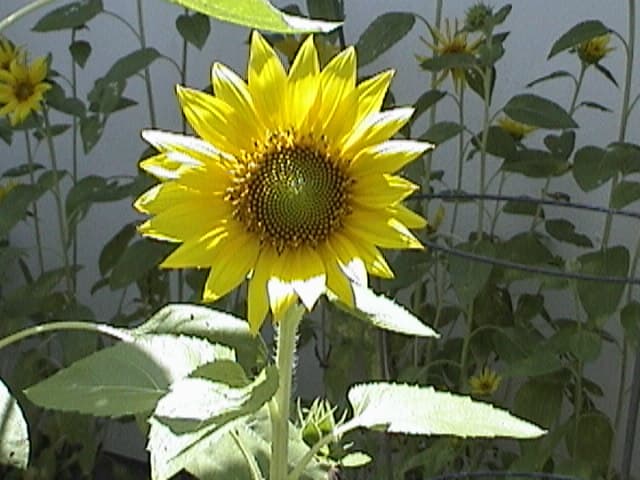
Image Histograms: Visualizing an Image's Tonal DNA
An image histogram is a bar chart of an image's brightness, showing pixel counts from pure black to pure white. It's used in photo editing to instantly judge exposure, revealing clipped shadows or blown highlights.
RGB Color Model: Mixing Light, Not Paint
Think of RGB as mixing colored spotlights. Red, green, and blue light are added together to create the colors on your screen. The main footgun is confusing this with print's subtractive model, where mixing colors makes black, not white.

Pinhole Camera Model: Projecting 3D to 2D
The pinhole camera model is a simple formula for how a 3D world flattens into a 2D image. It's the basis for 3D reconstruction and augmented reality, relating an object's real-world position to its pixels.

Digital Images as Grids of Pixels
Think of a digital image as a mosaic of tiny colored tiles called pixels. This 'raster' method stores the exact color of each point, making it perfect for photos. The footgun: scaling up reveals the grid, causing blurriness or pixelation.
We are hiring for this. Every open role lists the topics its interview covers, so you can prepare for the real thing rather than guessing.
See open roles