Intermediate everything in Computer Vision, page 8
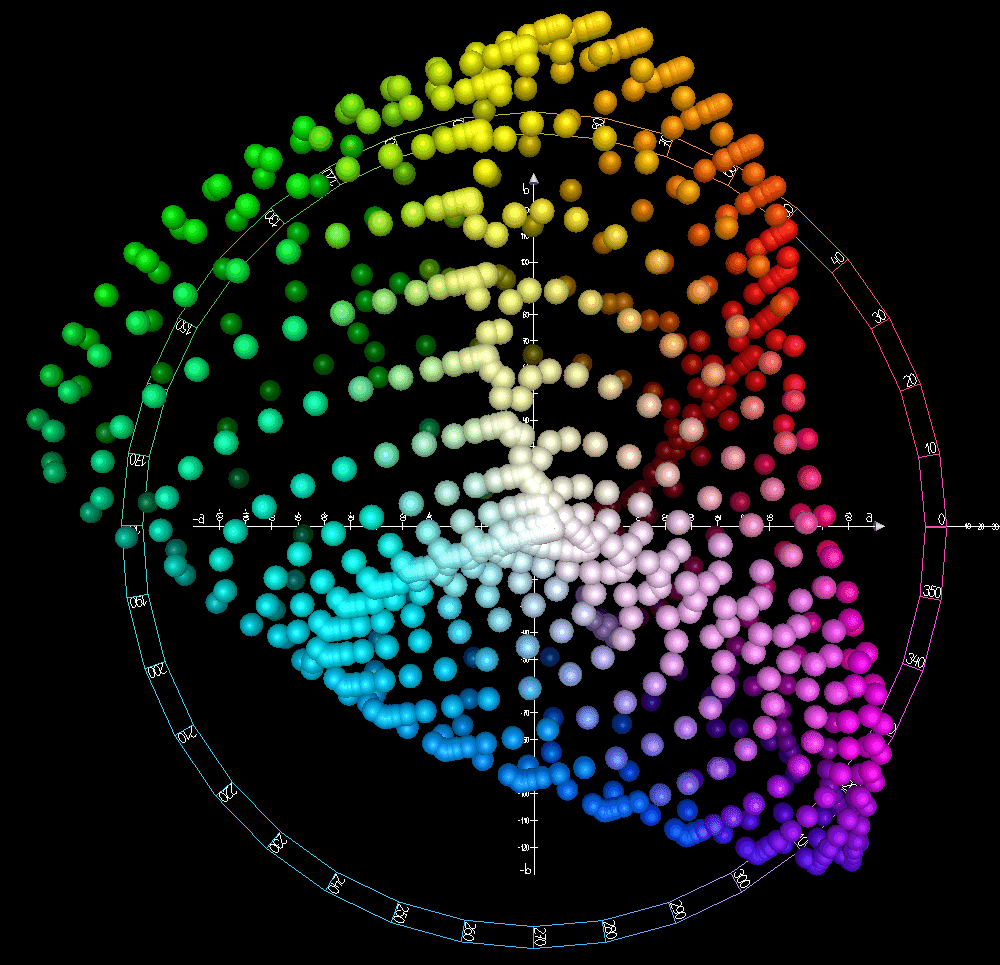
CIELAB Color Space: Measuring Color Beyond RGB
CIELAB models color not by how a screen displays it (like RGB), but by how a human perceives it: lightness, red/green, and yellow/blue. It's used in industry to measure and match colors precisely. The footgun is assuming it's perfectly 'perceptually uniform'.
Color Depth: Bits Per Pixel vs. Bits Per Channel
Color depth is the number of bits storing a pixel's color, like a digital paint box's size. It's key for image formats and displays, affecting file size and fidelity. The footgun is confusing total bits per pixel (bpp) with bits per channel (bpc).

HSL and HSV: Intuitive Ways to Represent RGB Color
HSL and HSV are not new colors, but new ways to organize RGB. Think of them as cylindrical coordinates for color, making it easier for humans to select shades. You see them in every color picker.
Lens Distortion: Why Straight Lines Curve in Photos
Lens distortion makes straight lines appear curved in an image, a result of imperfect lens geometry. It's critical to correct in computer vision for tasks like 3D reconstruction, but is often ignored in regular photography.
Camera Resectioning: Finding a Camera's Pose in 3D Space
Camera resectioning is like a detective's trick: use a photo of known objects to find the exact 3D position and orientation of the camera. It's key for AR and robotics. The footgun is assuming this finds all camera flaws; it only finds pose, not lens.
We are hiring for this. Every open role lists the topics its interview covers, so you can prepare for the real thing rather than guessing.
See open roles