Intermediate concepts in Content & Copywriting, page 2

Topical Authority: Proving Your Expertise to Google
Prove you're an expert on a whole subject, not just a keyword. Google uses this 'topical authority' system to rank news in health or finance, but the principle applies to any site aiming for credibility. The footgun is thinking it's only for news sites.
The Rule of One: One Idea, One Message
Stop listing every feature. The Rule of One focuses your entire message on a single, compelling idea to cut through the noise. Use it for landing pages or ads to be persuasive, not overwhelming.

Risk Reversal: Making the 'Yes' Easy for Customers
Risk reversal shifts the perceived risk of a purchase from the buyer to the seller, making the 'yes' easier. This shows up as money-back guarantees, free trials, or performance promises. The footgun is a mismatched guarantee that can be easily exploited.
FUD: Weaponizing Fear, Uncertainty, and Doubt
FUD is a sales tactic that weaponizes fear and doubt to make a competitor's product seem risky. It's used to slow adoption of new tech by spreading negative, often false, information. The footgun is mislabeling any valid technical criticism as FUD.
White Papers: Explaining Complexity to Drive Decisions
A white paper is a persuasive essay disguised as a technical report. It educates readers on a complex problem to lead them toward the author's preferred solution. Use it to introduce new tech or establish thought leadership.

Content Brief: The Blueprint for Your Content
A content brief is a short blueprint for a piece of content, ensuring the writer knows exactly what to create. It's essential when working with freelancers or team members to align on goals and format before work begins. Skipping it invites costly rewrites.

Cornerstone Content: Your Site's SEO Foundation
Think of cornerstone content as your site's SEO pillar: your single most comprehensive article on a competitive topic. It helps you rank for high-value keywords by consolidating authority from related posts.
Double Opt-In: Confirming User Consent
Double opt-in confirms a user wants your emails by making them click a confirmation link after signing up. This ensures the person owns the email address and truly consents, unlike opt-out methods which are often considered spam.
Email Marketing: A Conversation, Not a Megaphone
Email marketing uses email to nurture customer relationships, not just to send ads. It aims to build loyalty, acquire new customers, and drive sales by sending targeted commercial messages. The footgun is treating every email as a hard sales pitch.
Drip Campaigns: Automated, Triggered Conversations
A drip campaign is an automated conversation, sending pre-written messages over time based on user actions. It's used for onboarding new users or re-engaging inactive ones.

Welcome Email Series: Turn Signups into Customers
A welcome series is an automated email sequence that acts as a guided tour for new subscribers. It's used by e-commerce and SaaS to build trust and drive initial sales or activation. The biggest footgun is sending a single, generic email and stopping there.

Abandoned Cart Sequence: Recovering Lost Sales
An abandoned cart sequence isn't just one email; it's a timed, multi-step campaign addressing different reasons for leaving. It's the highest-converting automation for e-commerce, moving from a simple reminder to reassurance, and finally, an incentive.
Email Personalization: Beyond the First Name
Email personalization uses automation to send the right message to the right user. By segmenting your audience based on behavior or data, you can target them with relevant content, like abandoned cart reminders.
Message Match: Don't Disrespect the Click
Message Match reassures visitors they've landed in the right place by mirroring the language from the ad or link they clicked. In PPC, this means your landing page headline must echo your ad copy. Failing to match the message wastes ad spend.
Google Ads Quality Score: A Diagnostic, Not a KPI
Google's Quality Score is a report card for your ad's relevance, not a live auction factor. It's a 1-10 diagnostic at the keyword level that tells you where to improve. The biggest footgun is treating it as a core KPI to optimize directly.
Ad Fatigue: When More Exposure Yields Less Engagement
Ad fatigue is your audience becoming "banner blind" to your creative. After seeing the same ad too many times, their brains tune it out, tanking engagement. The footgun is blaming fatigue for a bad ad; if it never worked, the creative is the problem.
Ad Policy Compliance: Why Your Ads Get Rejected
Ad policy compliance is a gatekeeper system balancing commercial content with user safety. Platforms like Meta automatically review every ad for violations like discrimination, scams, or shocking content.
Progressive Disclosure: Show, Don't Overwhelm
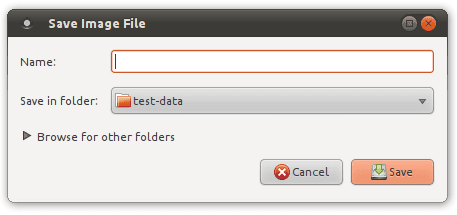
Progressive disclosure is a guided tour for your UI, revealing information only as needed. It simplifies complex forms and setup wizards by deferring advanced options, making apps easier to learn.
Accessible Writing: Structure is Meaning
Accessible writing structures content for both humans and assistive tech. It applies to page titles, headings, and link text. The footgun is faking structure with visual styles instead of using semantic HTML, which leaves screen reader users lost.
Cold Open: Hooking Viewers Before the Titles Roll
A cold open hooks the audience by jumping into the story *before* the opening credits. It's used in TV to prevent channel-surfing during early commercials or to recap past events. The footgun is an opening that confuses viewers instead of captivating them.
We are hiring for this. Every open role lists the topics its interview covers, so you can prepare for the real thing rather than guessing.
See open roles