Easy everything in Content & Copywriting, page 2

Describe how you'd implement an A/B test for a landing page headline
Mention deterministic bucketing, anti-flicker rendering, tracking with variant IDs, and sample-size planning.

What critical on-page SEO elements would you extract from HTML?
Tests if you know which HTML elements search engines use to index pages. Strong answer: title tag, H1, and meta description shape search results and topical relevance. Red flag: claiming meta descriptions directly affect rankings or conflating H1 with title.
Differentiate informational, navigational, and transactional intent and classify keywords programmatically
Define three intents by user goal; regex-match modifiers like what/how vs buy/near; check SERP features.
Design a database schema for a blog with posts, authors, and tags
Tests normalization and many-to-many design. A strong answer covers a users table with role enum, a posts table referencing user_id, and a post_tags join table for categories. Red flag: storing tags as a comma-separated string in the posts table.
How would you design a centralized copy service for consistent UI text?
This tests separation of UI and content. A strong answer uses a key-value map with semantic IDs, a lookup hook, and context injection so components call copy.button.save. Red flag: raw strings in JSX or a database for static English-only copy.

How would you track clicks on headlines and calls-to-action?
This tests DOM event handling and basic telemetry design. A strong answer covers event delegation with addEventListener, data attributes for element IDs, and a payload with timestamp and page context.
How would you A/B test sign-up button copy and measure results?
This tests basic experimental design. A strong answer covers: random assignment, serving variant copy, tracking impressions and conversions, and measuring lift. A red flag is sequential testing or vanity metrics like clicks without sign-ups.
Slugline: The Screenplay Scene Marker
A slugline is the screenplay element that announces a new scene. It anchors the script's structured format by marking scene changes and setting the stage for the action and dialogue that follow.
The 4 P's Formula: Picture, Promise, Prove, Push
The 4 P's formula structures persuasive copy in four steps: picture, promise, prove, push. It shines in emails and landing pages that must convert attention fast.
The Byline: Attributing Work to its Author
A byline is the author's signature on an article, giving them credit and accountability. You see it between the headline and body text of news stories, magazine features, and blog posts.

Invoice: The Official 'Please Pay Me' Document
An invoice is your official request for payment after delivering work. Freelancers and businesses use it to bill clients for services, listing what was done and how much is owed. The footgun is confusing it with a receipt, which confirms payment has been made.
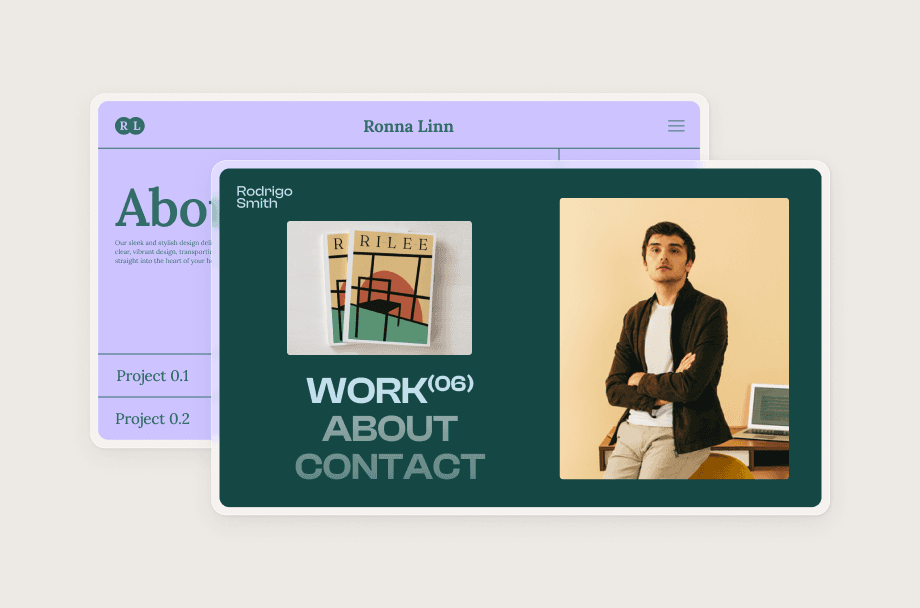
Writing Portfolio: Your Resume for Creative Work
A writing portfolio is your professional storefront, showing clients not just what you can write, but how you solve their problems. It's essential for landing freelance gigs or full-time jobs.

Public Domain: Use Creative Works Freely
The public domain is a global library of creative works anyone can use freely. It's essential for creators needing assets like images or music without licensing fees.
Copyright: Protection is Automatic, Registration is Power
Copyright protects your specific written expression—not the general idea—the moment it's 'fixed' on paper or a screen. While protection for your book or blog is automatic, you must register with the U.S. Copyright Office to sue for infringement in court.
Traffic Sources: Where Your Users Come From
Traffic sources pinpoint where users come from using a Source/Medium pair, like google/organic. This tells you which channels—SEO, paid ads, or social—drive visitors. The footgun is confusing them: google is a Source, organic is the Medium.
Bounce Rate: The Opposite of Engagement
Bounce rate is the percentage of website sessions that weren't engaged. In Google Analytics 4, a bounce means the visit was under 10 seconds, had no key events, and viewed only one page.
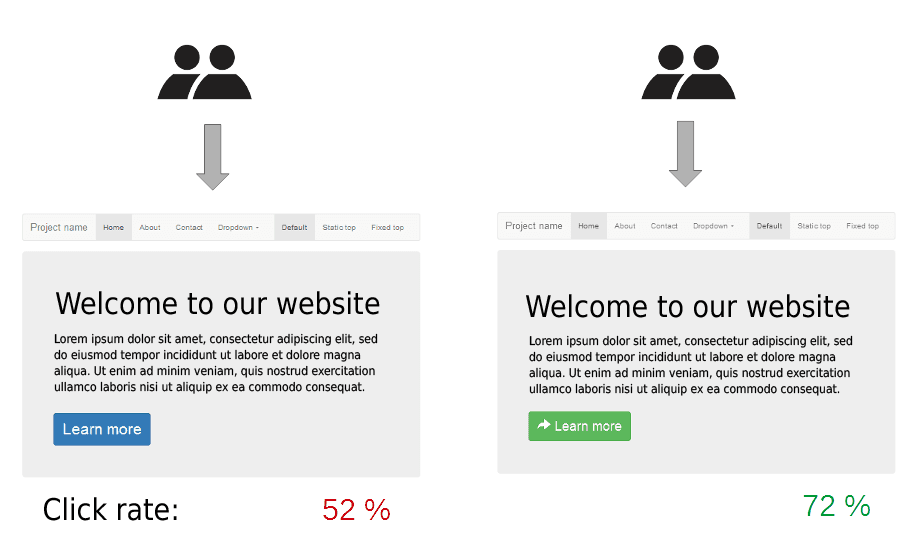
Control vs. Variation: The Core of A/B Testing
To know if a change works, compare it against the original. The original is your 'control,' and the new version is your 'variation.' This is the core of A/B testing, used to test new button colors or email subjects.
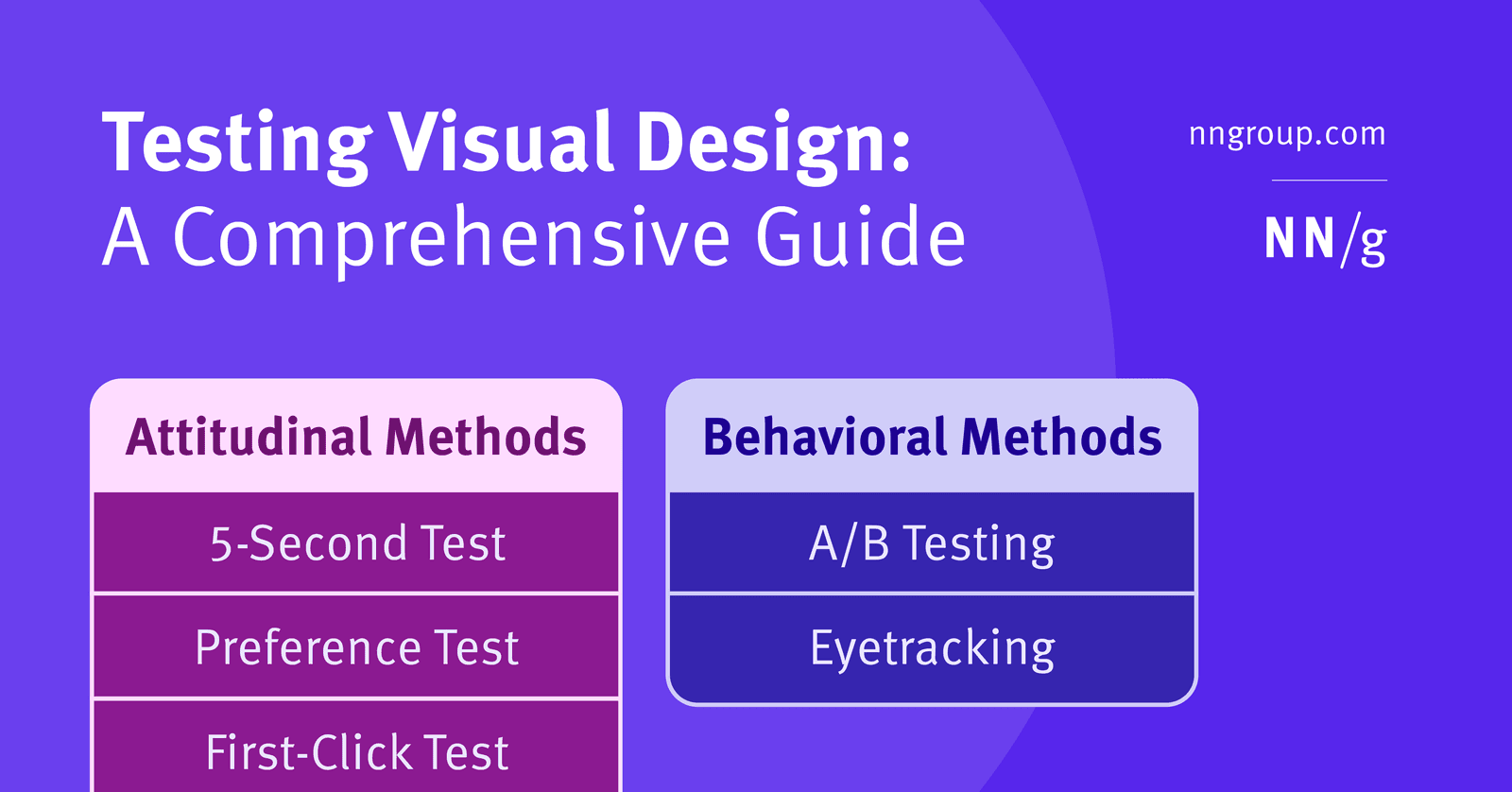
Five-Second Test: Capture a User's Gut Reaction
A five-second test captures a user's gut reaction by showing them a design for just five seconds. It's used to see if the visual style communicates the right brand identity before users have time to read. The footgun: don't warn users about the time limit.

Flesch-Kincaid: Measuring Readability with Math
Flesch-Kincaid scores aren't about quality, but simplicity, using word and sentence length to estimate reading difficulty. It's used in SEO tools and government forms to ensure accessibility. The footgun is chasing a score, which can make prose robotic.
Proofreading vs. Copyediting: Final Polish vs. Deep Clean
Copyediting is a deep clean for your writing, fixing style, flow, and clarity. Proofreading is the final spot-check for typos and formatting errors before you publish. They happen at different stages: copyediting on the draft, proofreading on the final layout.
We are hiring for this. Every open role lists the topics its interview covers, so you can prepare for the real thing rather than guessing.
See open roles