Everything in Content & Copywriting, page 15
Content Audit: Taking Stock of Your Website's Assets
A content audit is like a physical inventory for your website, cataloging every page and asset to decide what to keep, improve, or discard. It's crucial before a site redesign or migration. The footgun is treating it as a one-off project.

Topic Cluster Model: Organize Content for SEO Authority
The topic cluster model organizes your site like a bookstore, with a main 'pillar' page for a broad topic and 'cluster' pages for subtopics. This signals expertise to search engines, helping you rank higher and appear in AI answers.
Content Distribution: Getting Your Content Seen
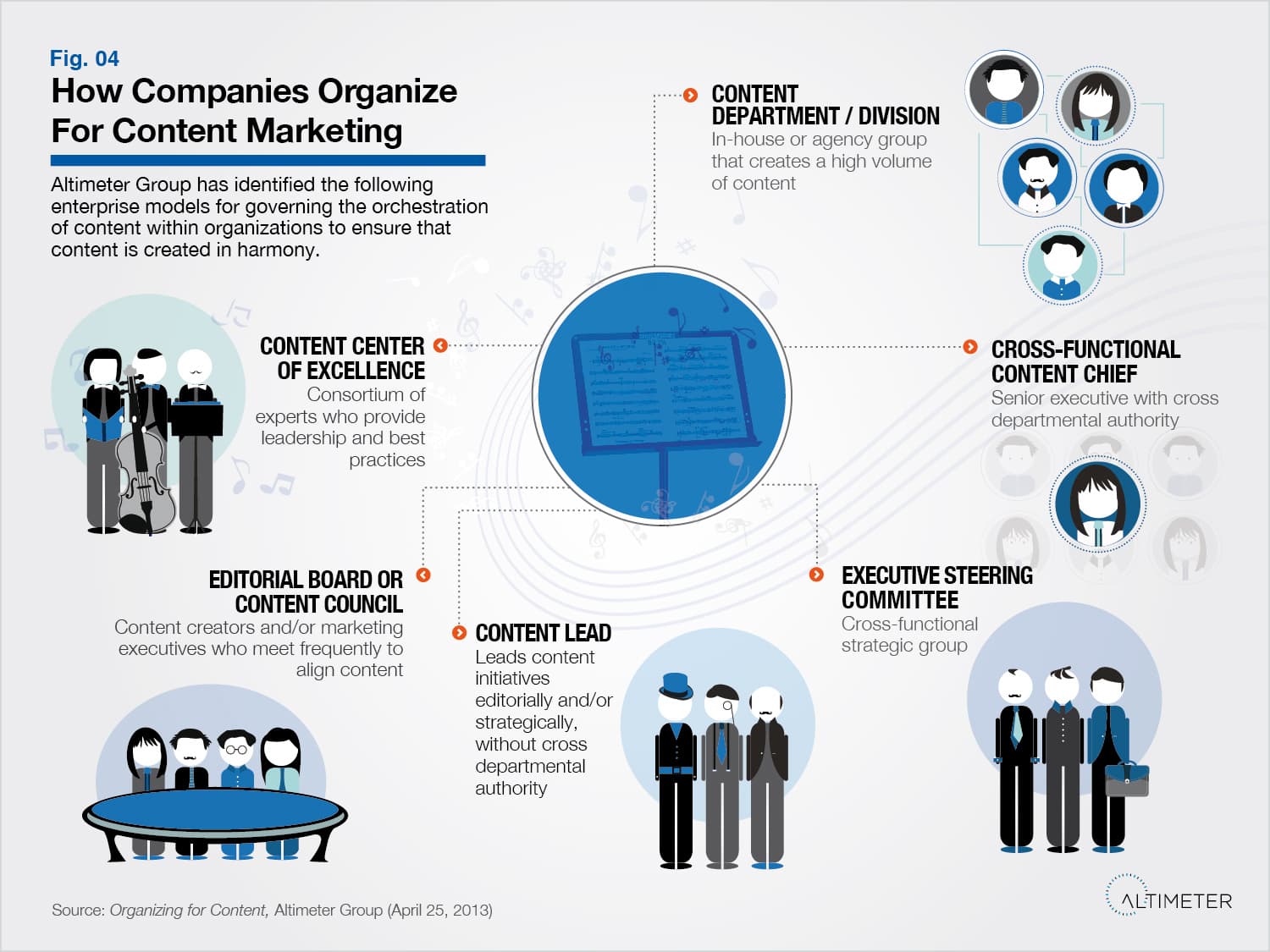
Creating great content is pointless if no one sees it. Distribution is the engine that delivers your work to a target audience, used to attract leads and build brand loyalty. The biggest mistake is treating distribution as an afterthought to creation.
Editorial Calendar: Your Content's Strategic Plan
An editorial calendar is a strategic plan, not just a to-do list, that turns chaotic content ideas into a coordinated publishing machine. It's used to align teams and manage content across blogs and social media.
Content Strategy: The Plan Before the Content
Content strategy is the blueprint for your content, guiding its planning, creation, and management. It's the thinking behind a company's blog or help docs. The common mistake is confusing strategy with just writing; it's the 'why' and 'how' behind the words.
Verbal Brand Identity: How a Brand Speaks
Verbal identity is how a brand speaks, not just what it says. It's the system of names, taglines, and consistent tone of voice that shapes a brand's personality. The footgun is mistaking it for just slogans, ignoring the deeper linguistic framework.
The Messaging Matrix: Your Company's Rosetta Stone
A Messaging Matrix is your company's Rosetta Stone for communication, ensuring everyone tells the same core story. It maps benefits and proof points to audience segments, aligning sales, marketing, and product. The footgun is treating it as a one-off document.
Tagline vs. Slogan: Company Identity vs. Campaign Message
A tagline is your company's permanent mission statement (Nike's "Just Do It"). A slogan is a temporary message for a specific ad campaign. This clarifies brand strategy, ensuring long-term identity isn't diluted by marketing.
Style Guides: The DNA of Consistent Writing
A style guide is the source code for your brand's voice—a rulebook for writing, formatting, and design. It's used to create a unified experience across marketing, product, and docs.
Brand Archetypes: Connecting via the Collective Unconscious
Brand archetypes apply universal patterns from myths (Jungian archetypes) to give a brand a familiar personality. This creates an emotional shortcut, making the brand feel instantly recognizable.
Brand Messaging Framework: From Core Idea to Consistent Copy
A brand messaging framework is your company's playbook for communication, ensuring every piece of copy expresses the same core personality and value. It guides website copy, sales pitches, and social media, keeping your team aligned.
Boilerplate: The Copy-Paste Text of Everything
Boilerplate is standardized, reusable text you can drop into new contexts. It shows up in legal disclaimers, "About Us" pages, and code libraries. The footgun is overusing it, making your work feel impersonal or applying a template where custom text was…

Elevator Pitch: Value in 30 Seconds
An elevator pitch delivers your core value proposition in the time it takes to ride an elevator. Use it for networking or interviews to explain what you do and why it matters. The footgun is trying to say everything; the goal is to earn a.
Unique Selling Proposition (USP): Why Pick You?
A Unique Selling Proposition (USP) isn't a list of features; it's the single, compelling reason a customer should choose you over all others. It's the core of your brand message. The biggest mistake is claiming a benefit that competitors can also claim.
Value Proposition: Why Should a Customer Choose You?
A value proposition is your core promise of value to a customer, answering 'What's in it for me?'. It's the foundation for landing pages and marketing copy. The footgun is listing features instead of the tangible benefits those features provide.
Total Addressable Market (TAM): Sizing Your Revenue Ceiling
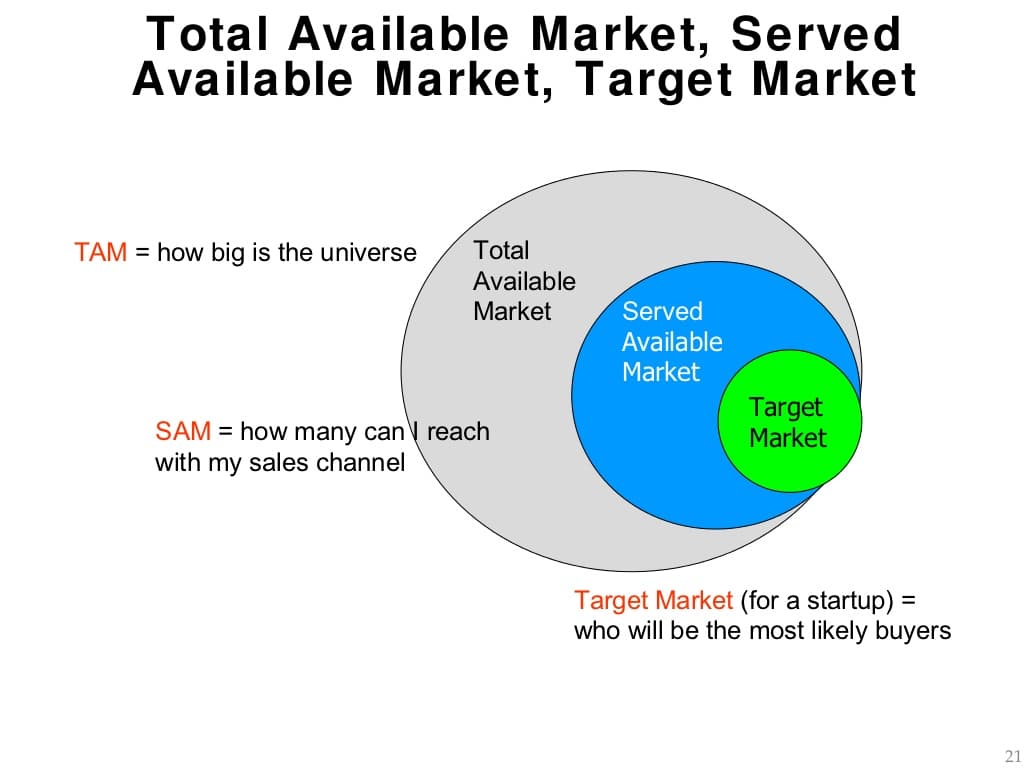
Total Addressable Market (TAM) is the maximum revenue possible if you captured 100% of the market for your product. It's used to size a market's ultimate potential for investors.
Sentiment Analysis: Reading the Room at Scale
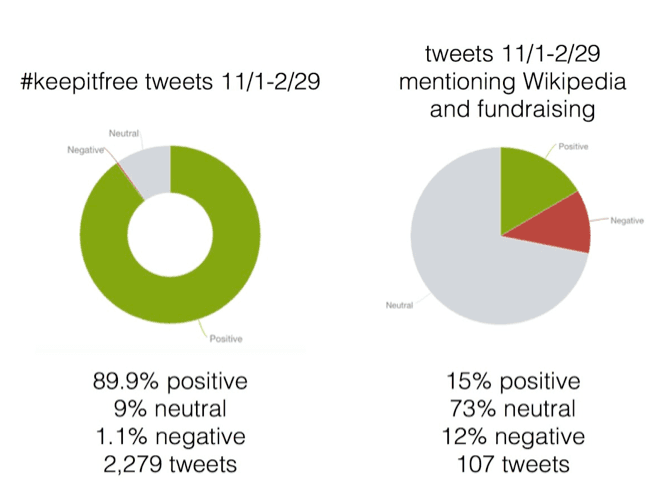
Sentiment analysis is a digital mood ring for text, automatically classifying content as positive, negative, or neutral. It's used to sift through customer reviews and social media to gauge opinion, but often fails on sarcasm or complex context.
The Kano Model: Not All Features Are Created Equal
The Kano model sorts features by how they impact user satisfaction. Use it to prioritize a product roadmap, deciding between fixing basic needs, improving core features, or adding delightful surprises.
Voice of the Customer: Build What People Actually Want
Voice of the Customer (VoC) means capturing user needs in their own words, not your team's jargon. It's used to prioritize features and write marketing copy that resonates. The footgun is treating it as a one-off survey instead of a continuous feedback loop.

Focus Groups: A Guided Conversation, Not a Survey
A focus group is like a guided dinner party for your product. You gather a small, specific group to discuss a concept, revealing qualitative insights and group dynamics that one-on-one interviews miss. It's for exploring 'why,' not measuring 'how many.'
We are hiring for this. Every open role lists the topics its interview covers, so you can prepare for the real thing rather than guessing.
See open roles