Everything in Content & Copywriting, page 16
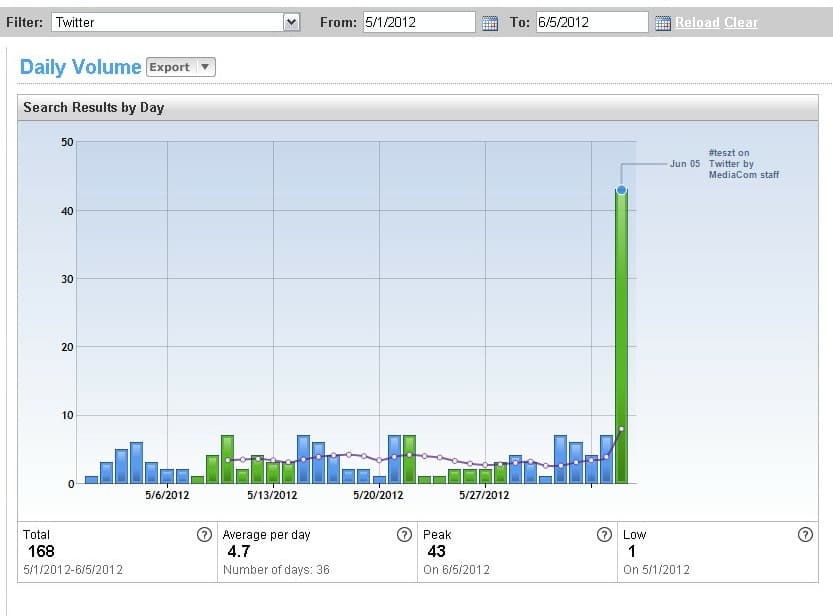
Social Listening: Tracking Unsolicited Customer Feedback
Social listening is like being a fly on the wall, hearing what customers say when you're not asking. Marketers use it to track brand sentiment and find pain points. The footgun is just counting mentions instead of analyzing the 'why' behind them.

Keyword Research: Find What Users Actually Search For
Keyword research is reverse-engineering user demand. Instead of guessing, you find the exact phrases people search for. It's crucial for SEO and content strategy, ensuring your work meets real needs.
User Interviews: Uncover Needs, Not Just Test Designs
User interviews are structured conversations to understand the 'why' behind user actions, not just 'what' they do. Use them in discovery to learn user motivations and pain points, informing personas and journey maps.
Audience Segmentation: Stop Shouting at Everyone
Instead of one message for your entire market, audience segmentation creates tailored messages for specific subgroups. It's used in email and ads to boost relevance and profit. The footgun is over-segmenting into groups too small to be profitable.
Survey Research: How to Ask Better Questions
Survey research is the science of asking the right questions to the right people. It's used in market research and user feedback to understand a population. The footgun: assuming any questionnaire yields truth. Biased questions or samples create garbage data.
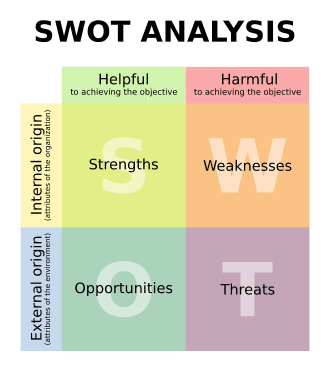
SWOT Analysis: A Structured Brainstorming Framework
SWOT analysis is a 2x2 grid for decision-making, mapping internal factors (Strengths, Weaknesses) against external ones (Opportunities, Threats). Use it for strategic planning or project evaluation.
Competitive Analysis: Sizing Up the Competition
Competitive analysis is systematically assessing rivals' strengths and weaknesses to find your own edge. It helps identify market opportunities and threats before you act. The footgun is focusing only on direct competitors and missing the indirect ones.

User Personas: Designing for Someone, Not Everyone
A user persona is a semi-fictional character built from real user data to represent a target group. It helps teams design for "Sarah the busy manager," not a vague "user." The footgun is forgetting the persona is an archetype, not a literal person.

Readability Formulas: Scoring Text Complexity
Readability formulas are like a linter for prose, scoring your text's complexity based on sentence and word length. They're used to check if documentation or UI copy is appropriate for the target audience.
StoryBrand: Make the Customer the Hero of Your Message
Stop talking about your company; make the customer the hero of a story where your brand is the guide. Use this for website copy and sales pitches to turn a confusing message into one that drives growth. The footgun is making your brand the hero.

The Hero's Journey: A Blueprint for Compelling Stories
The Hero's Journey is a narrative blueprint: a character leaves their world, overcomes a crisis, and returns transformed. It's the structure behind blockbuster films and persuasive case studies.

Cialdini's Principles: The Science of Persuasion
Persuasion isn't an art; it's a science based on six universal principles for building relationships. Use them to ethically increase profits in business or get a "yes" in daily life, like asking a neighbor for a favor.

Brand Voice vs. Tone: Personality vs. Mood
Think of voice as your brand's consistent personality and tone as its mood, which adapts to the situation. This distinction guides all copy, from celebratory emails to error messages. The main footgun is forcing one tone, like humor, everywhere.

The PAS Formula: Turn a Reader's Pain into a Purchase
The PAS formula turns pain into a purchase by stating a problem, making it feel worse (agitating), then offering your product as the solution. It's used in ads and landing pages where you need to be persuasive fast.

The Inverted Pyramid: Lead with the Conclusion
Lead with the conclusion, then add details in decreasing order of importance. This structure ensures readers get the main point even if they stop reading early. It's crucial for news, bug reports, and docs. The footgun is burying the lede in context.

Plain Language Writing: Write for Your Audience, Not Yourself
Plain language isn't dumbing down; it's writing so your audience can understand and act on information the first time. Use it in UI copy and docs to reduce user error. The footgun is assuming your audience shares your jargon and context.
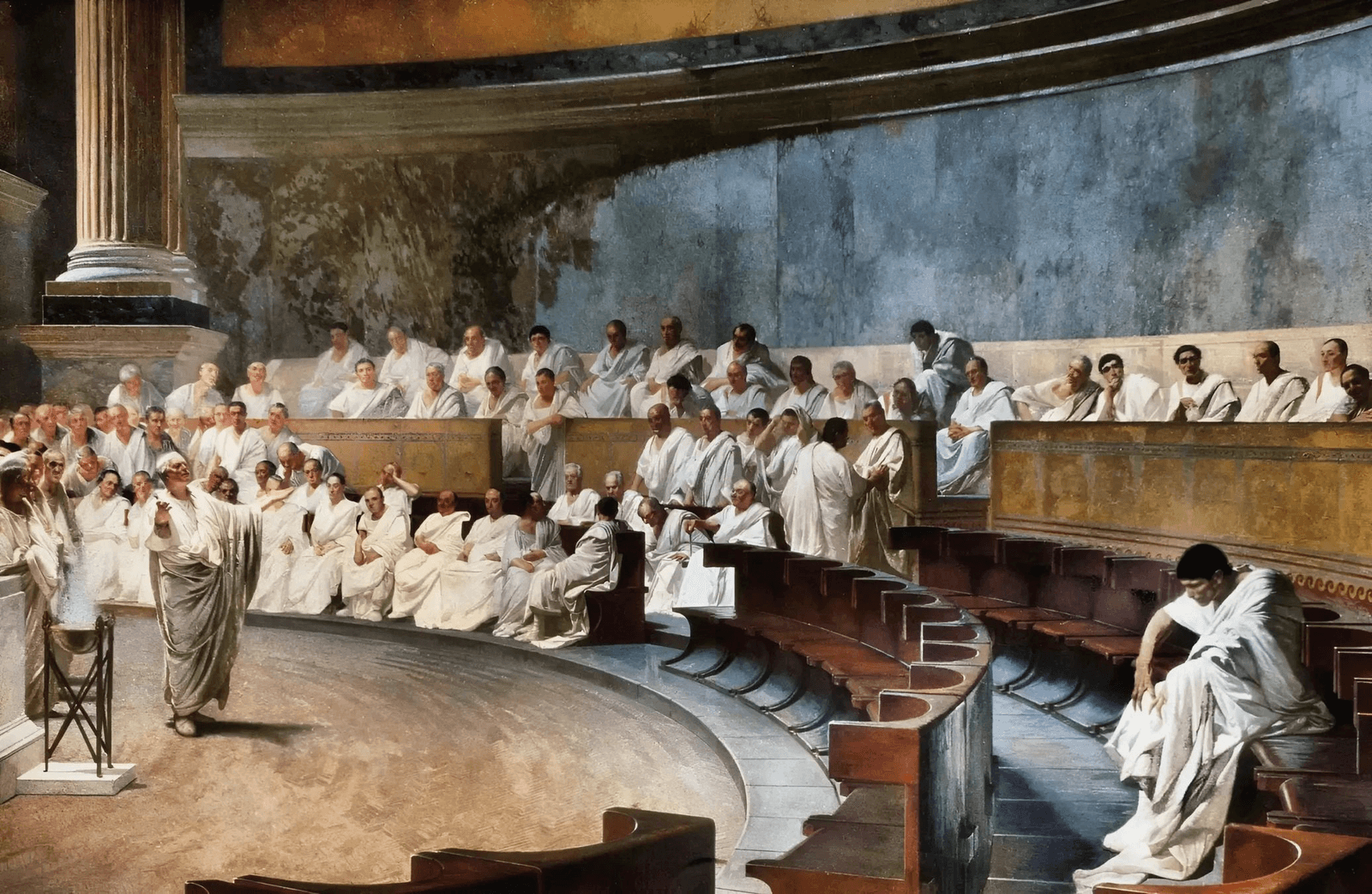
Ethos, Pathos, Logos: The Three Appeals of Persuasion
Persuade anyone by appealing to their head (logos), heart (pathos), or trust in you (ethos). Use this framework in design docs or presentations to make a stronger case.
We are hiring for this. Every open role lists the topics its interview covers, so you can prepare for the real thing rather than guessing.
See open roles