Advanced concepts in Data Science & Analytics, page 2
Random Forest: Many Weak Learners Make One Strong Model
A random forest asks a crowd of simple decision trees for a prediction and takes the majority vote. This ensemble approach is used for classification and regression, correcting for a single tree's tendency to overfit. The footgun is its lower interpretability.
Ensemble Learning: Bagging vs. Boosting
Ensemble methods combine multiple weak models into one strong one, like a committee outperforming a single expert. Bagging reduces variance; Boosting reduces bias. The footgun: Boosting can overfit noisy data by trying to model the noise itself.
SUTVA: The Assumption That Your Treatment Isn't Leaking
SUTVA assumes your treatment on one person doesn't spill over to affect others, and that the treatment is consistent for all. It's a key assumption for A/B tests, but is violated when one person's vaccine protects their unvaccinated neighbor.
Propensity Score Matching: Simulating a Randomized Trial
Propensity Score Matching creates a 'fair' comparison from observational data, mimicking a randomized trial. It's used to estimate a treatment's effect by matching treated individuals with similar untreated ones.
Causal DAGs: A Map for Cause and Effect
A Causal DAG is a map of your assumptions about what causes what. It helps you spot hidden "confounder" variables that create misleading correlations. Use it before an analysis to decide which variables to control for, ensuring you measure a true effect.
Transformer Architecture
The Transformer replaces recurrence with self-attention, letting every token directly attend to every other token in parallel. This enables long-range context and fast training on GPUs, making it the backbone of modern large language models and much of…
Large Language Models (LLMs)
An LLM is a massive neural network trained on vast text datasets to perform language tasks. It powers modern chatbots by generating, summarizing, and translating text. The key footgun: biased or inaccurate training data makes its output unreliable.
Policy Gradient: Teach an Agent What to Do, Not What's Valuable
Policy gradient methods directly learn what action to take, rather than learning the value of states. They excel in continuous action spaces like robotics or when the best policy is random.
Apache ZooKeeper: A Coordinator for Distributed Systems
Think of ZooKeeper as a reliable key-value store for metadata. It provides distributed systems with essentials like configuration management, leader election, and service discovery, ensuring all nodes agree on the system's state.

Interactive Data Viz: Let Users Explore the Data
Interactive data viz turns a static report into a conversation, giving users controls to ask their own questions. It's key for BI dashboards and research tools. The footgun is overwhelming users with too many options, creating confusion instead of clarity.
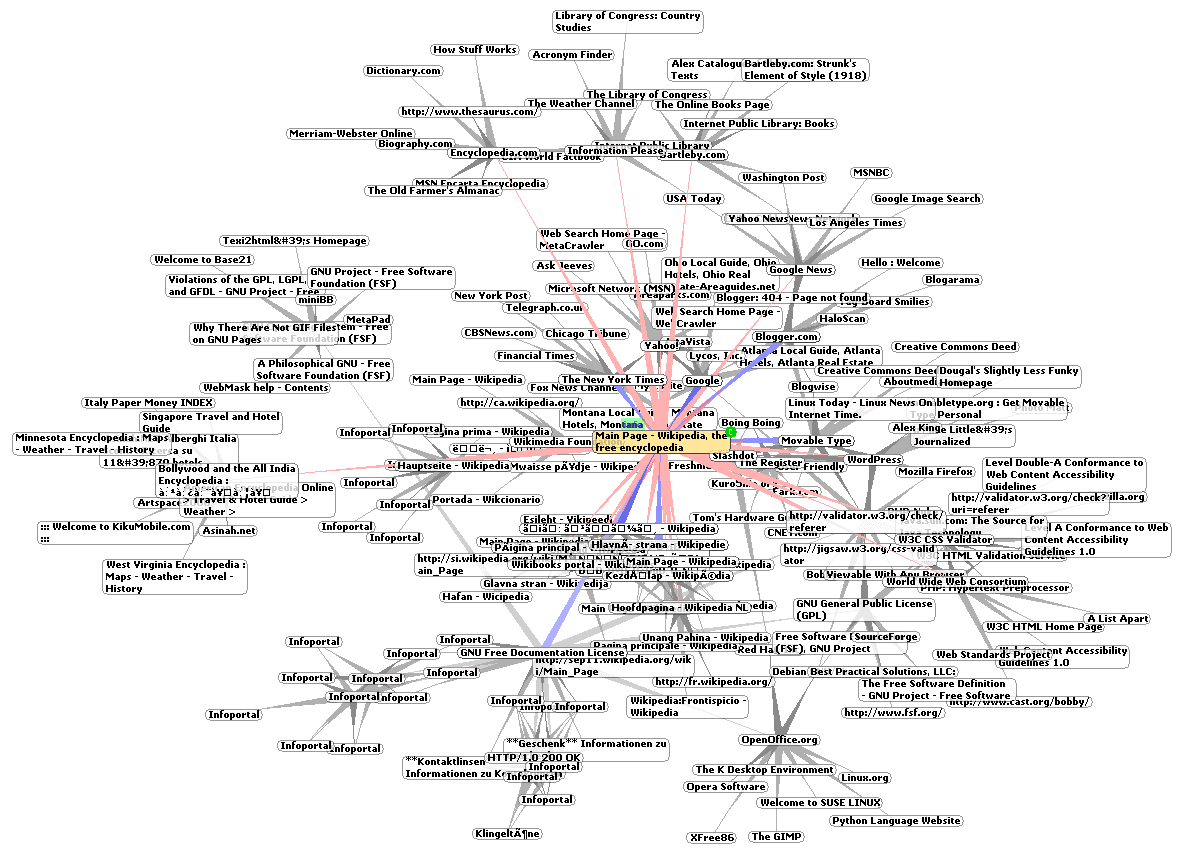
Network Visualization: Making Sense of Connections
Network visualization turns abstract relationships into a 2D map. It's used to see structure in social networks or biological pathways. The footgun is that layout choices can create misleading patterns; a pretty graph isn't always a true one.
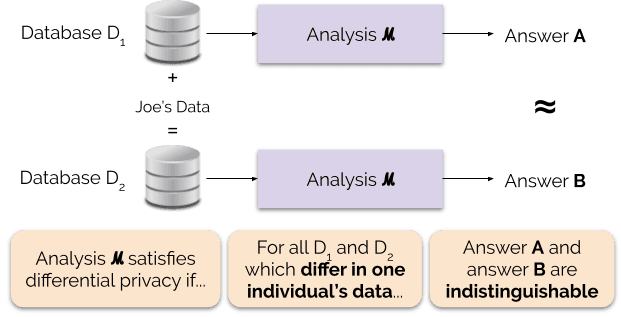
Differential Privacy: Anonymize Data with Math
Differential Privacy adds mathematical noise to data queries, making it impossible to know if one person's data is included. Tech giants use it to learn from user behavior without seeing individual activity.
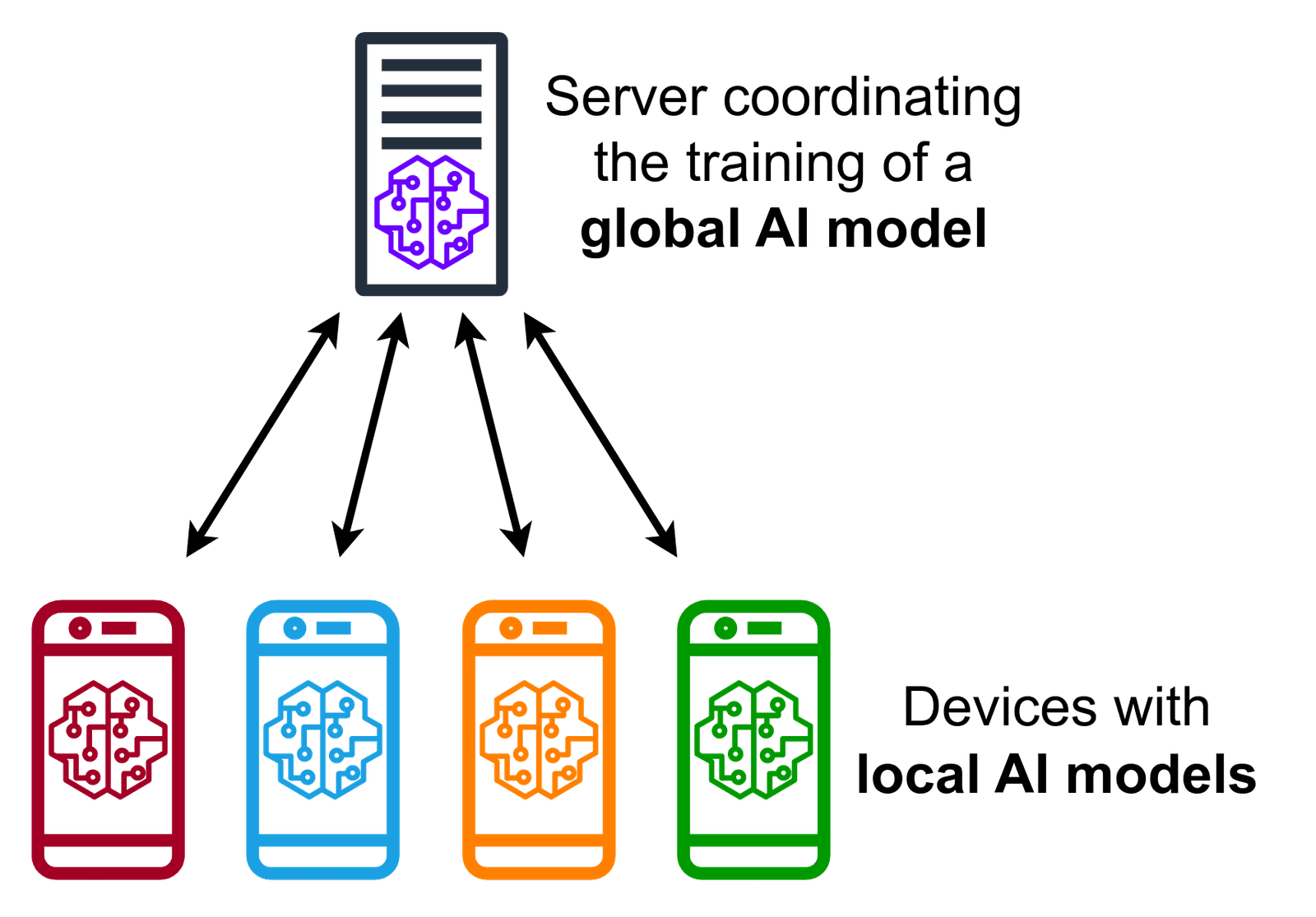
Federated Learning: Train Models on Decentralized Data
Federated learning trains a shared model by sending the model to the data, not the other way around. It's used for training on sensitive, decentralized data like phone keyboards. The main footgun is that non-uniform data across clients can skew the model.
Counterfactual Fairness: What if You Were Different?
Asks "what if?" for fairness: would your model's decision change if only a sensitive attribute like race were different? It's used to audit models for hidden bias in areas like hiring.
Homomorphic Encryption: Compute Without Decrypting
Homomorphic encryption lets you perform computations on data while it's still encrypted. This allows a third party, like a cloud provider, to process your sensitive data without ever seeing the raw information, ensuring privacy.
We are hiring for this. Every open role lists the topics its interview covers, so you can prepare for the real thing rather than guessing.
See open roles