Concepts in Data Science & Analytics, page 3
ggplot2: Building Graphics with a Grammar
ggplot2 treats plots like sentences. You declare components—data, aesthetics (x/y axes, color), and geoms (points, bars)—and it assembles the visual. It's essential for data exploration in R, letting you iterate by swapping layers.
dplyr: A Grammar for Data Manipulation
dplyr offers a consistent grammar for data manipulation, letting you chain simple verbs to perform complex transformations. It's essential for cleaning, summarizing, and reshaping data frames in R.
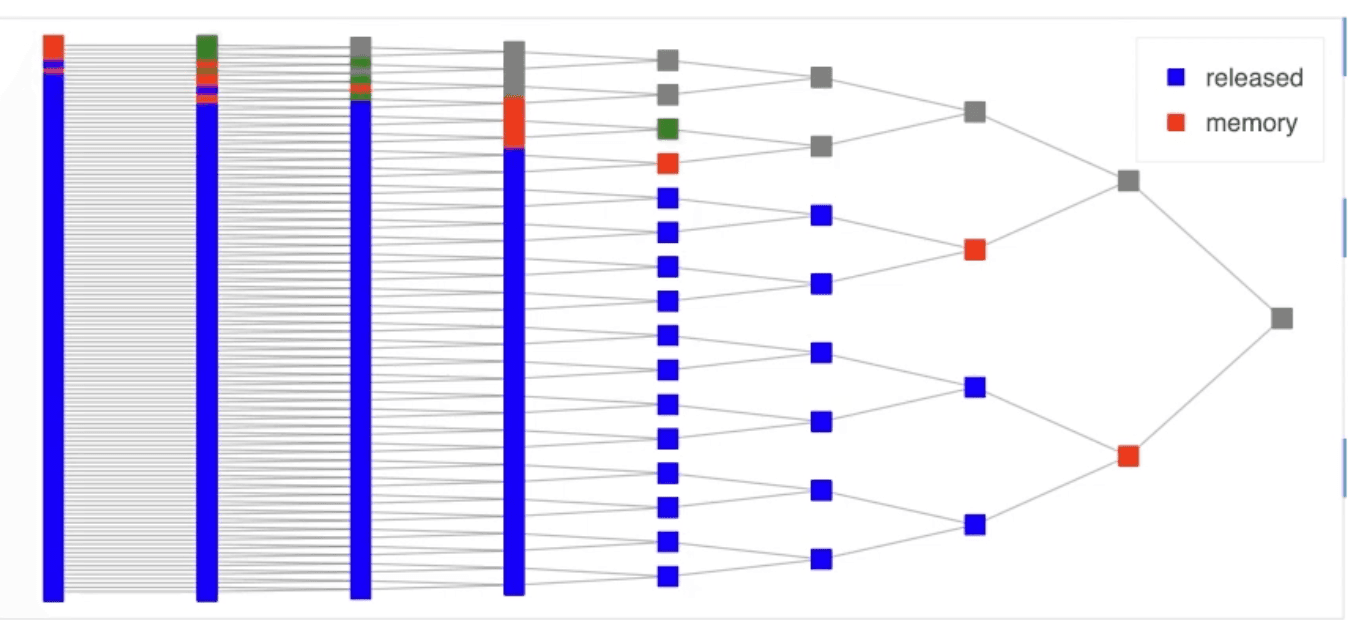
Dask: Parallel Computing with Familiar APIs
Dask parallelizes Python analytics by breaking data into chunks and building a task graph of operations. It's like giving Pandas and NumPy superpowers for data too big for RAM. The footgun: its lazy evaluation means you must explicitly call .compute().

R & Python Interoperability with Reticulate
Reticulate embeds a Python session inside R, letting you use Python libraries as if they were native R objects. Use it when a team uses both languages or you need a Python library in an R workflow.
Web Scraping: Automating Data Collection from Websites
Web scraping is an automated copy-paste for websites. A bot browses sites and extracts specific data, like prices or articles, into a structured format. The main footgun is assuming scraping cleans the data or grants you rights to use it.
API Authentication: Who Goes There?
API authentication is the bouncer at your application's door, checking IDs to prove who is making a request. It's used to protect any networked service, from weather data to banking.
HTML Parsing: Turning Web Pages into Data
Think of HTML parsing as X-ray vision for web pages, revealing the underlying data structure. It's used for web scraping and automated testing. The main footgun is using regex; a real parser is robust against markup changes.
GraphQL Queries: Ask for Exactly What You Need
GraphQL lets clients ask for exactly the data they need in a single call, like a flexible SQL query for your API. It avoids the over-fetching of fixed REST endpoints, making apps faster. The footgun: complex client queries can overload your server.

ETL: The Three-Phase Data Pipeline
ETL is a three-phase pipeline: extract from sources, transform, and load into containers. It supports many sources and destinations and runs as automated software, manual jobs, or scheduled batches. The footgun is manual execution of recurring jobs.
Webhooks: Don't Call Us, We'll Call You
A webhook is an automated HTTP callback from a service to your app when an event happens. Instead of polling for updates, the service calls you. This is how Stripe signals a payment or GitHub a commit.
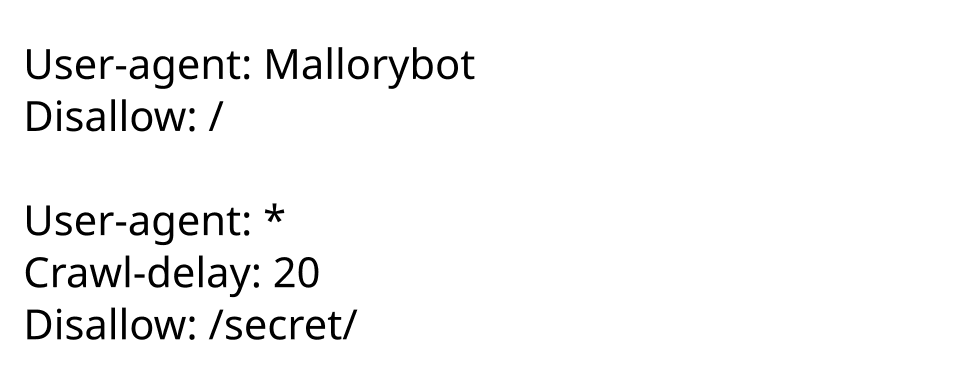
robots.txt: The Web's 'Keep Off The Grass' Sign
robots.txt is a public file suggesting which parts of a site web crawlers shouldn't visit, like admin areas. The footgun: it's a polite request, not a security wall. Malicious bots will ignore it, so never use it to hide sensitive data.
Querying NoSQL: It Depends on the Data Model
Querying NoSQL isn't one-size-fits-all; the method depends on the data model (key-value, document, graph). This is used for large, unstructured datasets like social feeds. The footgun is assuming SQL works everywhere; many require a model-specific API.
Scraping Dynamic Sites: Find the API, Not Just Render
To scrape a dynamic site, find the hidden API call its JavaScript makes to fetch data instead of rendering the whole page. This is faster and more reliable. This applies when your scraper gets empty HTML but you see data in your browser.

Streaming Ingestion: Catching Data as It Happens
Streaming ingestion is a conveyor belt for data, catching events as they happen instead of in batches. It's used for real-time fraud detection and IoT monitoring. The footgun is confusing ingestion (getting data in) with processing (acting on it).
gRPC: High-Performance RPC with Contracts
gRPC is a typed, high-performance function call between services. Instead of crafting JSON, you define a contract and gRPC handles the efficient binary transport. It's for low-latency microservice communication.
Log Aggregation and Parsing: From Chaos to Clarity
Log aggregation gathers scattered system events into one place; parsing turns that raw text into structured, searchable data. This is essential for debugging distributed systems or analyzing security incidents.
Binning: Grouping Continuous Data into Buckets
Binning is like rounding, but for ranges. It groups continuous data into discrete 'buckets' to reduce noise. This turns messy user ages (21, 22.5) into clean categories (20-29) for analysis. The footgun: poor bin sizes can hide or create false trends.
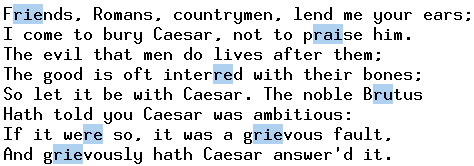
Regular Expressions for Data Cleaning
Regex is a mini-language for describing text patterns, letting you find and fix messy data at scale. It's used to standardize phone numbers or extract zip codes from addresses. The footgun: complex regex is often unreadable and a maintenance nightmare.

Label Encoding: Turning Categories into Numbers
Label Encoding turns text categories into numbers, like assigning bib numbers to runners. It's essential for algorithms that need numerical input, but its biggest footgun is creating a fake order (e.g., 2 > 1) that can mislead linear models and neural…
Feature Engineering: Better Inputs, Better Models
Feature engineering preps raw data for a model, like a chef preps ingredients. It transforms raw inputs into a more effective set of predictive signals. The footgun is creating irrelevant features, which can harm model performance more than using raw data.
We are hiring for this. Every open role lists the topics its interview covers, so you can prepare for the real thing rather than guessing.
See open roles