Concepts in Design & UX, page 11

Accessibility E2E Testing: Automating User Journeys
Accessibility E2E testing integrates automated checks into simulated user journeys, testing the rendered app as a user would. It's used in CI/CD to validate flows like sign-up or checkout.

AEIOU: Five Buckets for Field Notes
AEIOU sorts notes into five buckets—Activities, Environments, Interactions, Objects, Users—so patterns emerge from chaos. Use it during field studies to categorize raw data. The footgun is treating its categories as rigid rules not editable heuristics.
Preserve Scroll Position: Seamless Figma Prototypes
Preserve scroll position makes Figma prototypes feel real by remembering where a user scrolled, even after navigating away. It's essential for long lists or maps. The footgun: if scrollable layers aren't identically named and structured, the position resets.
VPAT vs. ACR: The Nutrition Label for Accessibility
An ACR is a standardized report card for a product's accessibility, based on a template called a VPAT. It's a nutrition label stating conformance facts, not a pass/fail grade.
The Rule of One: One Idea, One Message
Stop listing every feature. The Rule of One focuses your entire message on a single, compelling idea to cut through the noise. Use it for landing pages or ads to be persuasive, not overwhelming.
Content Analysis: Study Texts Without Interference
Content analysis extracts patterns from existing artifacts without disturbing subjects. Social scientists apply it systematically to speeches, photographs, and essays. The common footgun is treating it as writing-only and ignoring visual or spoken media.
Figma Expressions: Dynamic Prototypes with Logic and Math
Figma expressions are like mini-formulas in your prototype, letting you manipulate variables with math and logic. Use them to build shopping carts that calculate totals or progress bars that fill up.

Risk Reversal: Making the 'Yes' Easy for Customers
Risk reversal shifts the perceived risk of a purchase from the buyer to the seller, making the 'yes' easier. This shows up as money-back guarantees, free trials, or performance promises. The footgun is a mismatched guarantee that can be easily exploited.
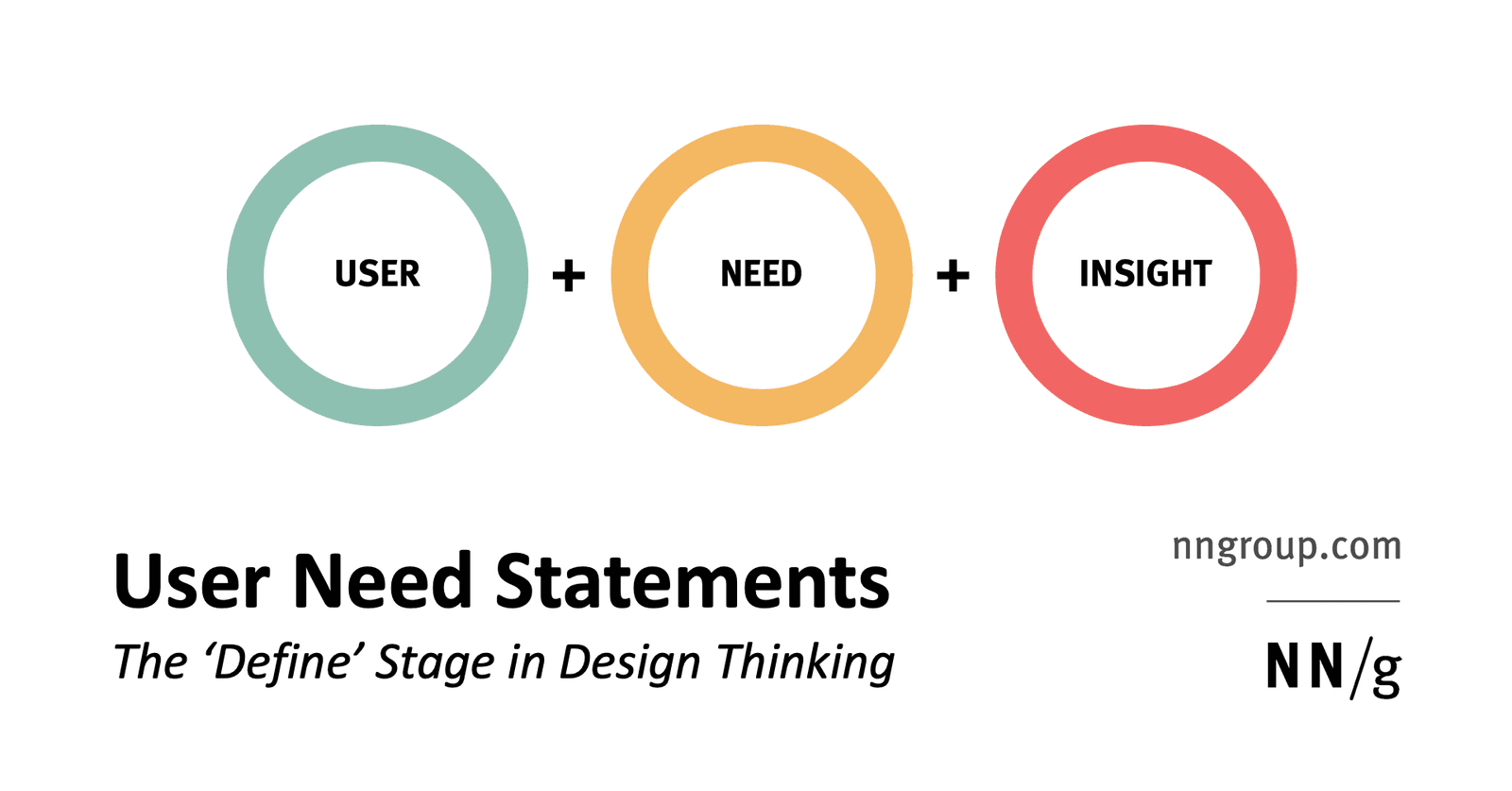
Insight Statements: Frame Problems, Not Solutions
Insight statements frame what users must achieve, not how. Teams use them in design thinking's define stage to align on the right problem before ideating. The footgun is writing solutions like 'needs a dashboard' instead of goals like 'needs to compare'.
Figma Video: It's a Fill, Not a Layer
Treat video in Figma as just another fill, not a special layer. Apply it to any shape to prototype video players or motion backgrounds. The footgun is forgetting it requires a paid plan to upload and won't play in the Figma mobile app.

The Design System PM: Treating Internal Tools as Products
A Design System Product Manager treats the system as a product, not a project. They define the roadmap and prioritize components for their internal engineering and design "customers."
FUD: Weaponizing Fear, Uncertainty, and Doubt
FUD is a sales tactic that weaponizes fear and doubt to make a competitor's product seem risky. It's used to slow adoption of new tech by spreading negative, often false, information. The footgun is mislabeling any valid technical criticism as FUD.
Mental Model Diagram
A mental model diagram aligns what users think and do, gathered from research, against what a product actually offers, exposing gaps where features are missing or unused so teams build for real behavior rather than assumptions.
Figma: Stacking Multiple Interactions on One Object
Stack multiple interactions on a single Figma object by treating each as a separate event listener, like onClick and onHover. This is essential for components with hover states that also need to navigate.

Design System Intake Process: The Gatekeeper for Quality
A design system intake process is the formal "front door" for new components, defining how they get proposed, built, and approved. It's crucial for coordinating contributions across teams.
Long-Form Sales Letter: Closing Without a Salesperson
Think of a long-form sales letter as your best salesperson, cloned on paper. It anticipates every question for a high-value purchase. It's the final step for selling complex services or courses, meant to secure commitment.
Narrative Analysis: How People Build Meaning
Narrative analysis treats life as an edited story; it reads journals and interviews for the meaning a person constructs, not raw facts. Use it when you need to understand why a belief formed. Never lift a quote from its story; context is the entire signal.

Who Can Change the Button? Design System Contribution Models
A contribution model defines who can change the design system, balancing consistency with evolution. It dictates whether you can fix a typo or must lobby for a new component.
The Johnson Box: Your Letter's Executive Summary
A Johnson Box is the key message of a direct mail letter, placed at the top to grab attention. It's for when you have seconds to make your case before the reader discards it. The footgun is burying the lead; the Johnson Box forces it.
Grounded Theory: Build Theory from Raw Data
Grounded theory builds hypotheses from data, not from prior assumptions. UX researchers reach for it when exploring messy human behavior without existing models. The footgun: forcing early categories onto data instead of letting patterns emerge inductively.
We are hiring for this. Every open role lists the topics its interview covers, so you can prepare for the real thing rather than guessing.
See open roles