Easy interview questions in Design & UX, page 5
How do you reliably deliver a survey to 10,000 users?
Tests systems thinking for outreach at scale. Strong answers cover idempotent delivery, rate-limited async sending, PII handling and retention, plus observability into delivery and response rates.
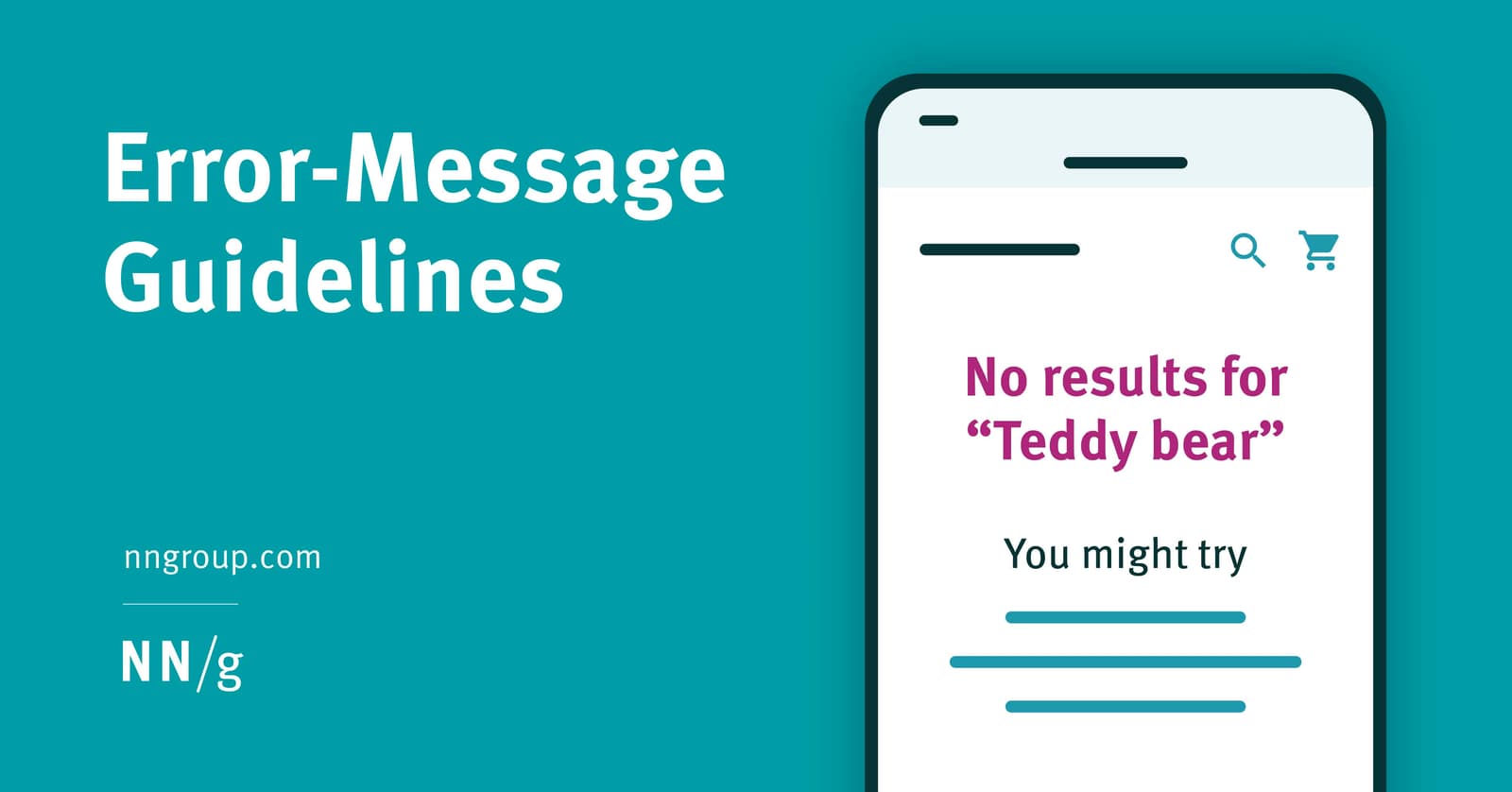
How would you implement specific error messages for failed validation rules?
Error codes from validators, a mapping layer separating logic from copy, and accessible inline rendering.
How do you handle UI text pluralization with ICU Message Format?
This tests i18n depth beyond adding an 's'. A strong answer names ICU MessageFormat, lists the six CLDR plural cases, and notes translators provide strings per case. Red flag: hard-coding suffixes or simple if/else logic that breaks in Polish or Arabic.
Implementing light and dark mode on the web
CSS custom properties for color tokens, a data-theme attribute toggle, and prefers-color-scheme as default.
What research do you give an engineer starting a new feature?
This tests distilling research into actionable engineering guidance. A strong answer gives the engineer a validated problem statement and user context, delivered in the ticket or a five-minute sync. A red flag is handing over a full research deck or raw notes.

How do you share research findings with engineers so they stay actionable?
Tests whether you respect engineering workflows. Offer tiered formats like quick decks, shared docs, or raw notes; embed insights into tickets; anchor findings to user quotes for trade-offs. Red flag: forcing live attendance or sharing long standalone decks.
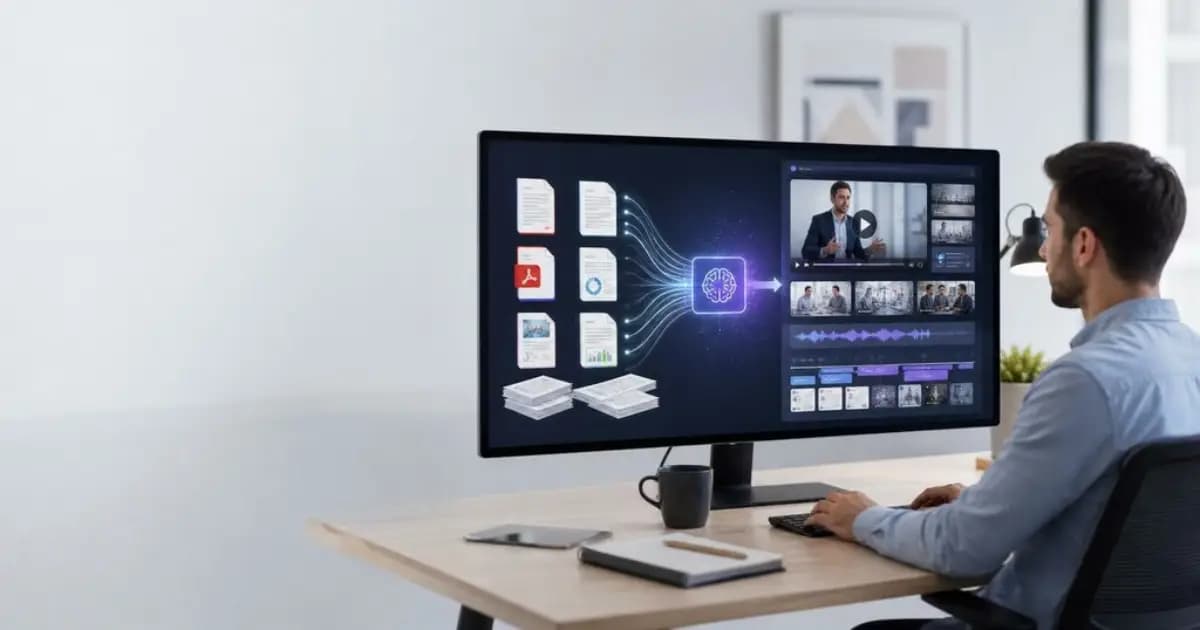
How do you convert dense documentation into a spoken video script?
Shorter sentences, inline context instead of footnotes, conversational second-person voice, verbal signposts, and visual cues.
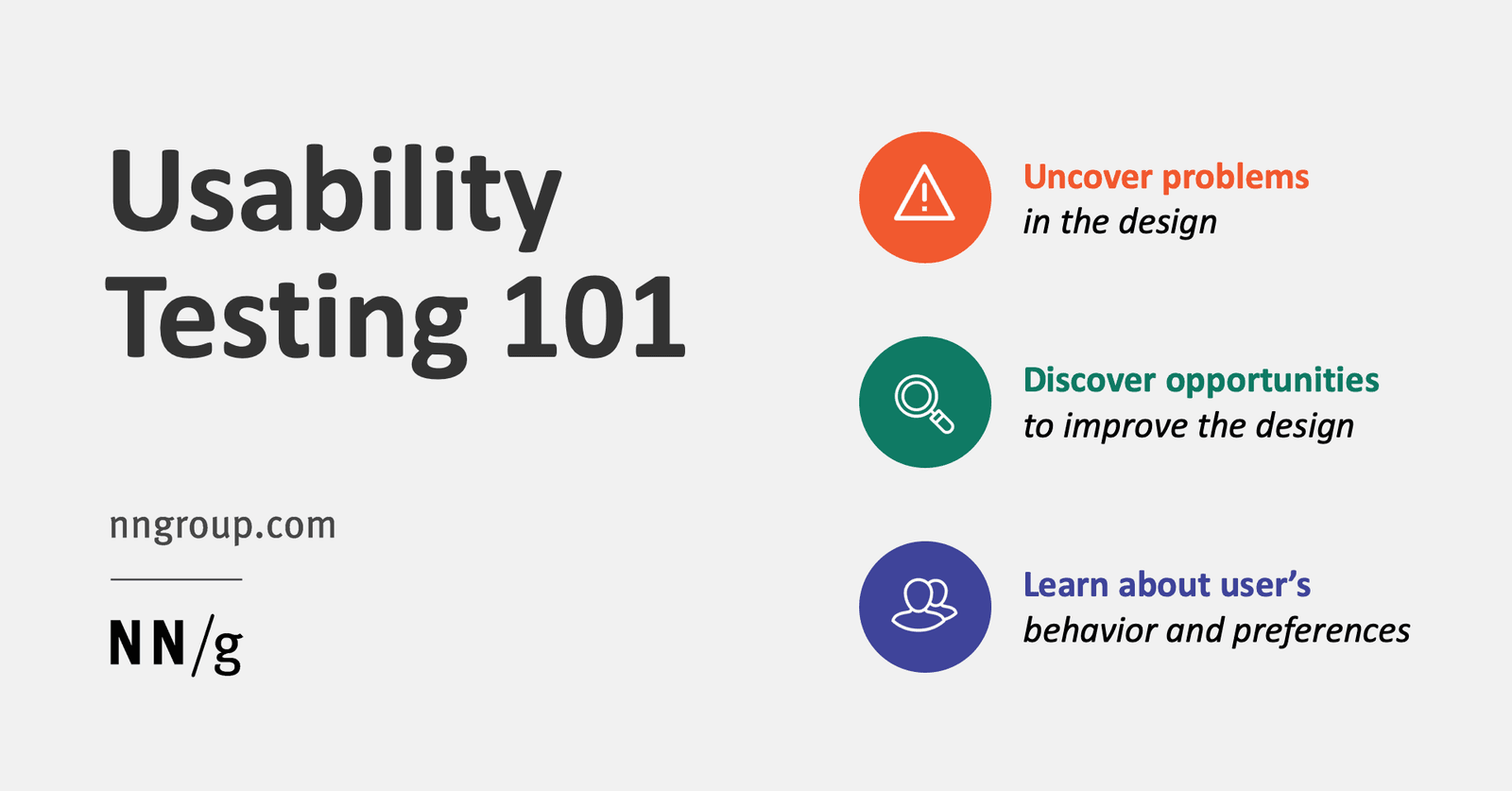
How would you usability-test a feature-flagged staging component?
Tests if you know usability testing works early. Strong answer: realistic tasks with careful wording to avoid priming; facilitator observes behavior and asks followups without influencing participant; staging is just another interface.
Delivering one color token to three platforms
One JSON source, generated CSS variable for web, color resource XML for Android, and Swift/asset for iOS.
Build a simple A/B test for a headline
Assign each visitor a sticky bucket, serve the matching headline variant, log impressions and conversions per variant.
Pixel-identical modals across platforms
Raise back-button and gesture behavior, safe areas and keyboard insets, native dismiss patterns, and accessibility differences.
What CTA metric wins an A/B test and how to log it?
This tests connecting instrumentation to business outcomes via a click metric and tracked event. An answer picks click or conversion rate, fires an event with variant ID, and notes uniqueness. A red flag is using views without linking the event to the button.
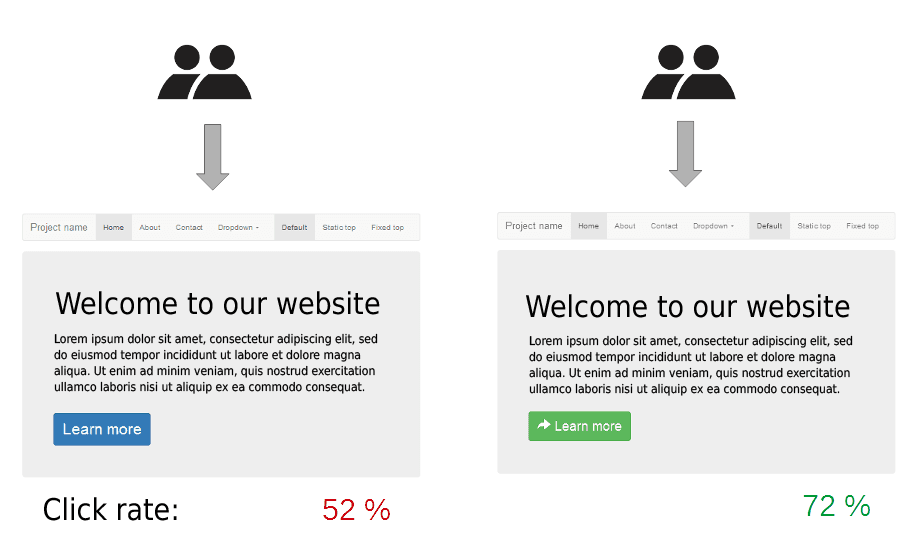
Explain statistical significance in copy A/B tests and why one day fails.
This checks if you distinguish signal from noise. A strong answer defines statistical significance as confidence a difference is real, warns that one-day samples are small and skewed by variance, and cites false positive risk.

Which ARIA attribute fixes an icon-only button missing its screen reader name?
Tests knowledge of accessible names for interactive elements lacking visible text. Answer: aria-label on the button describing its function, plus aria-hidden on the decorative icon. Red flag: suggesting alt text on the SVG or title attributes as the fix.

Track a 'Request a Demo' button click
End-to-end click instrumentation. A strong answer covers: a DOM listener on the button, a custom event name like request_demo, and a payload with page path and button ID.

How would you integrate user research into agile sprints without disrupting velocity?
Tests embedding continuous discovery into agile rather than front-loading research. Strong answers mention parallel tracks, backlog stories derived from insights, and lightweight discount-usability methods.
How would you track which headline wins in an A/B test?
Tests end-to-end experiment instrumentation across the stack. Outline: deterministically bucket users, serve variant A or B, emit click events, and aggregate by variant.

Describe lightweight user validation without a dedicated researcher
This tests if you value direct user feedback over expert-only evaluation without researchers. A strong answer covers recruiting fresh users and observing real use for intuitiveness.
What HTML attributes and elements make a banner accessible to screen readers?
This tests semantic HTML for decorative and informative images. A strong answer names img alt, heading levels, and a landmark region such as aside with aria-label. A red flag is relying on CSS or divs without text alternatives.

Describe the technical steps for displaying and enforcing a cookie consent banner.
Tests privacy-first frontend architecture. Outline: check consent record, render banner if absent, classify scripts as essential or non-essential, persist choice, and inject tracking only after explicit opt-in.
We are hiring for this. Every open role lists the topics its interview covers, so you can prepare for the real thing rather than guessing.
See open roles