Intermediate interview questions in Design & UX, page 8
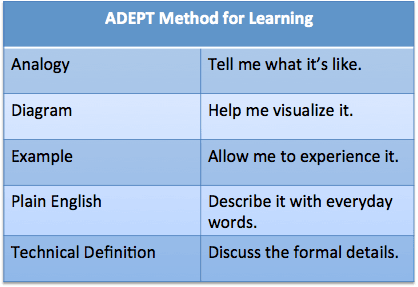
How would you script a concurrency analogy for junior developers?
This tests scaffolding hard ideas via ADEPT. A strong answer sequences analogy, diagram, example, plain-English reasoning, and technical notation while flagging where metaphor breaks. A red flag is treating the analogy as proof or ignoring its failure modes.
Diagnose a slow, laggy Figma prototype
Heavy raster images and effects, layer and node count, and excessive prototype interactions.

How do you translate field-study findings into user stories and acceptance criteria?
Tests turning qualitative findings into engineer-ready backlog items. Strong answers: synthesize personas from observations, map pain points to epics, break into As-I-want-so-that stories with acceptance criteria, and co-create with engineers.
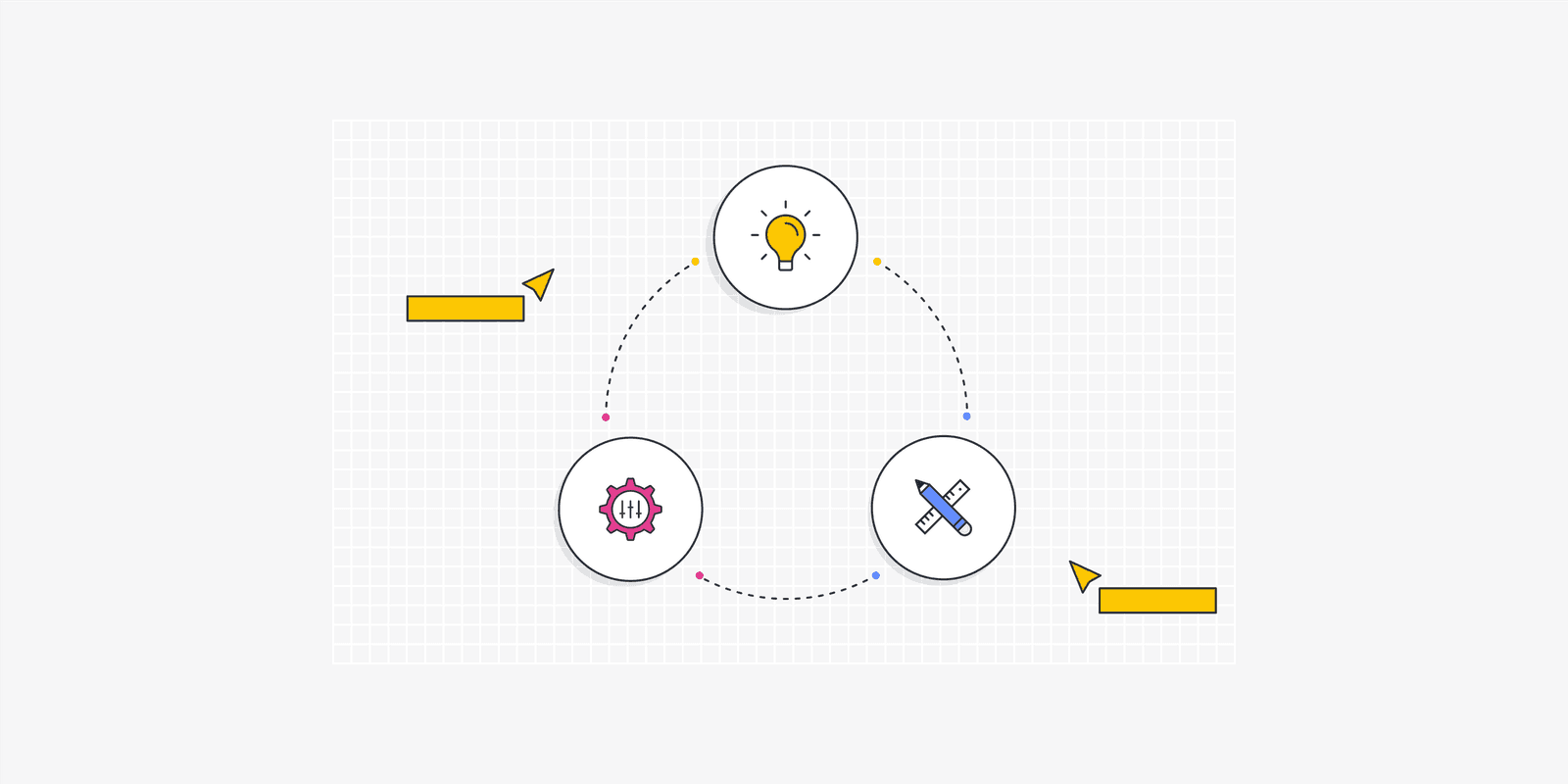
What research validates a three-sprint feature without delaying engineering?
One week of interviews and prototype tests, with concept testing while engineering spikes.
How would you use variants, booleans, and instance swap for a Button?
This tests fluency in Figma component properties for scalable design systems. Map variant properties to states, booleans to toggle the icon layer, and instance swap to change the icon type. Never suggest detached overrides or separate components per state.

How would you prioritize a live usability fix during a full sprint?
Cross-functional negotiation and prioritization under fixed capacity. Present failure-rate or ticket data, map the fix on an impact-effort matrix, and jointly swap a low-impact sprint item or schedule a hotfix.
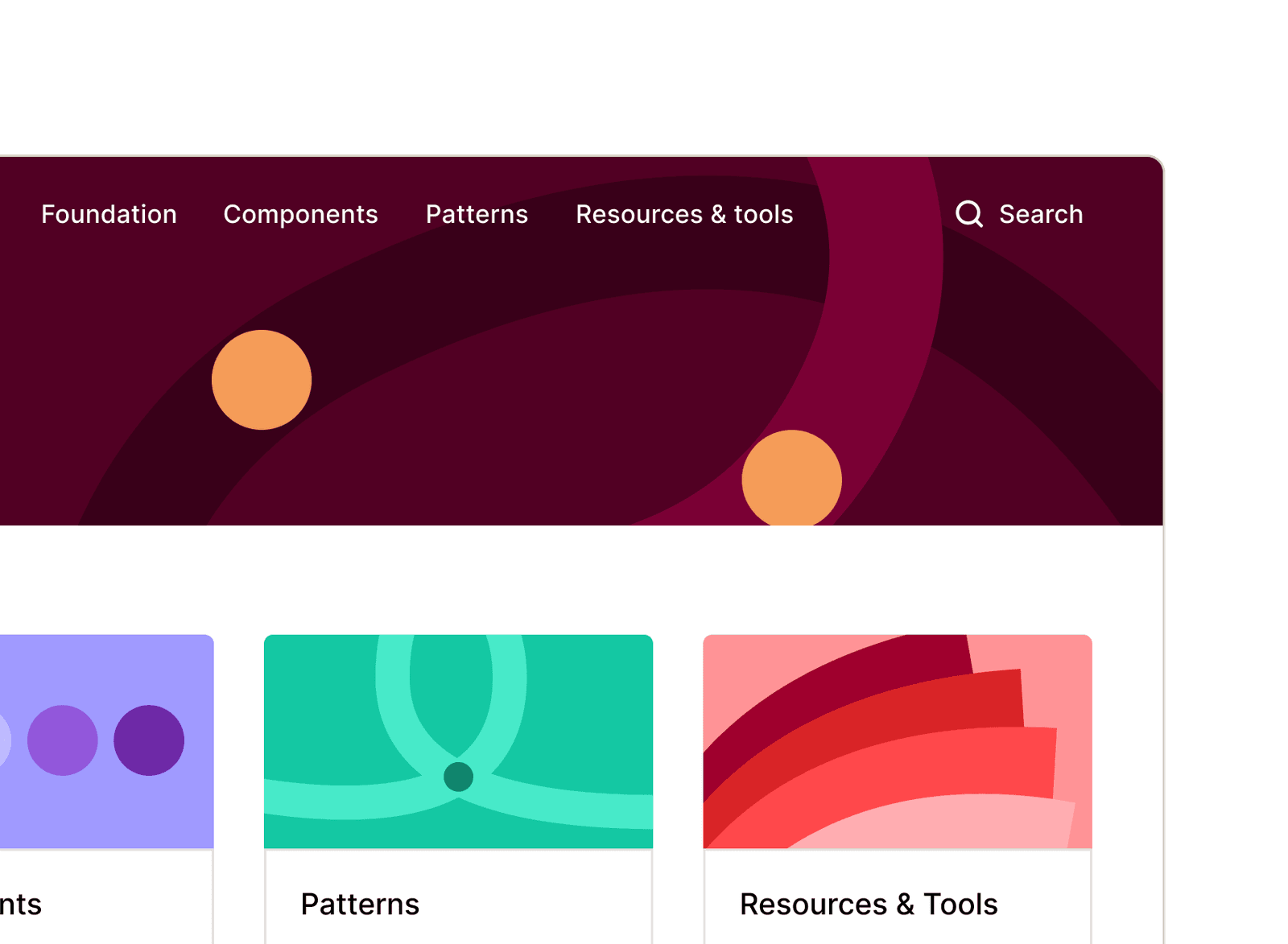
How would you structure Figma files for a new design system?
Tests Figma memory limits and library publishing. Strong answers split files by type—tokens, icons, components—and publish each as shared libraries to limit memory and enable parallel ownership.
Difference between detaching and pushing overrides to main?
Tests component governance: detaching severs the link for local one-offs, while pushing overrides sends instance changes back to the main component globally. Strong answers contrast local versus library-wide scope and name specific scenarios.
Make a complex component accessible by design
Define keyboard model and focus order, map to ARIA roles and states, and document interactions for engineers.
Versioning and distributing multi-platform tokens
JSON source, Style Dictionary transforms per platform, semantic versioning, and per-platform package registries in CI.
Sharing logic, native UI across platforms
Shared module (e.g. Kotlin Multiplatform) for state/business rules, platform-native UI consuming it, and a clean interface boundary.

Difference between duplicating a page and branching in Figma
This tests version control hygiene in design files. A strong answer contrasts file-bloating duplication with isolated, reviewable branches, and names branching as superior for active projects where main must stay stable and changes need review before merge.

How does cookie clearing affect A/B results and consistency?
This tests bucketing integrity when state changes re-randomize users. Explain that re-bucketing contaminates the sample and triggers SRM; propose deterministic server-side assignment, fingerprinting, or authenticated IDs.
Responsive Tabs with one consistent API
One stable public API (items, value, onChange), internal swap of presentation by breakpoint, and shared selection state.
Fix keyboard trap in a custom modal dialog
Tests accessible modal focus management. Strong answers: role="dialog" and aria-modal="true", move focus on open, trap Tab/Shift+Tab cycles inside, Escape to close, return focus to trigger. Red flag: CSS-only fixes or aria-hidden without JS focus control.
How would you implement a light and dark mode theme switcher?
Tests scalable theming via Figma variable modes, not manual duplication. Create a color collection with Light and Dark modes, bind variables to component fills, then switch modes to toggle themes.
Modeling a confirmation action for voice
Model confirmation as a modality-agnostic intent, add voice tokens (prompts, accepted phrases, reprompts, timeouts), and map intent to each modality.

What instrumentation would you add to validate the user's 'job'?
This tests whether you instrument for intent and struggle, not vanity metrics. Strong answers log pre-export context, abandonment flows, post-export file usage, and workaround signals.
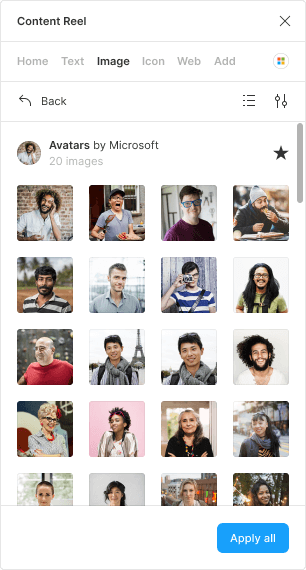
Which Figma plugin populates tables with realistic user data?
Tests Figma content automation. Name a plugin like Content Reel, select layers to apply text strings and image collections for names, emails, and avatars at once, and cite grouped content to keep rows aligned. Red flag: manual entry or mismatched placeholders.
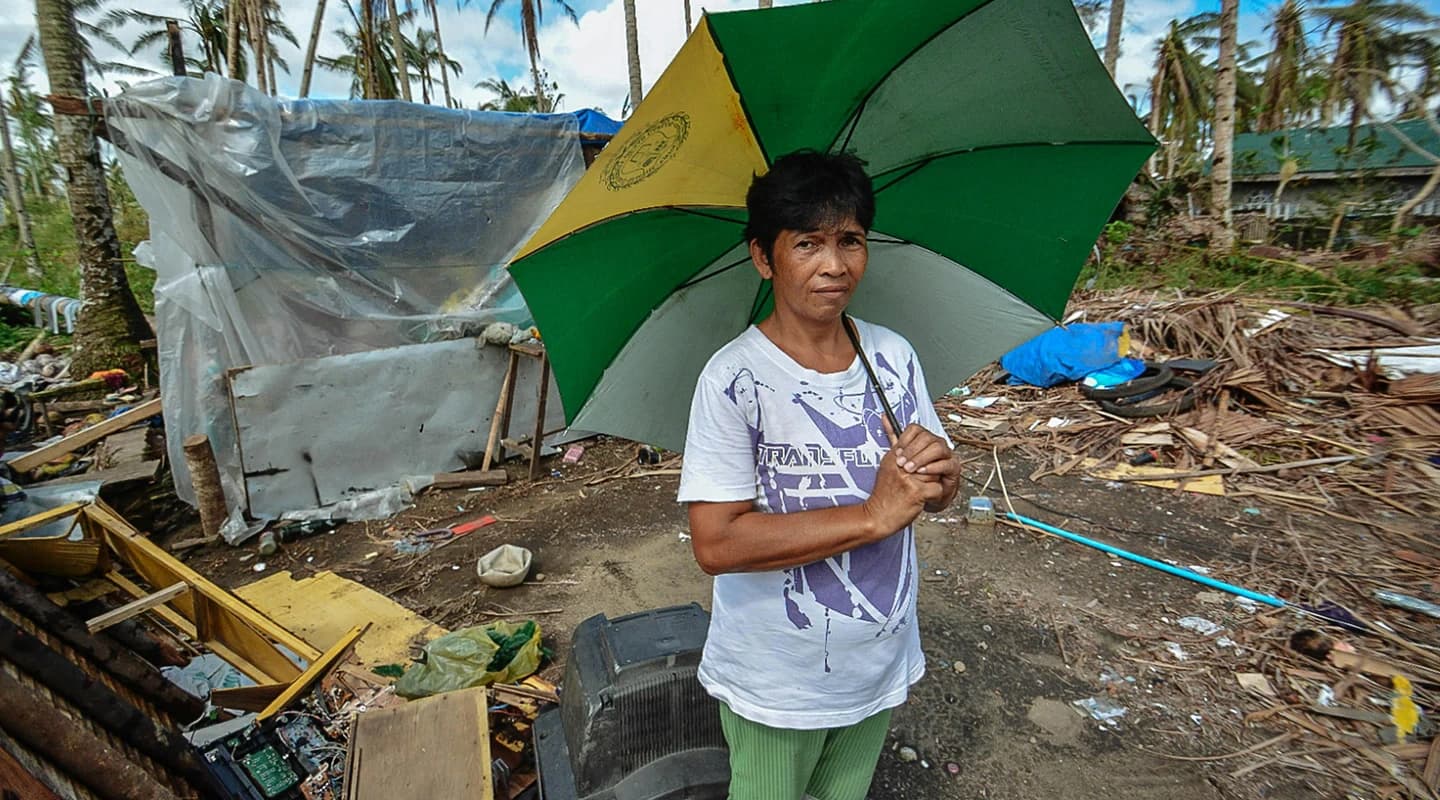
How would you mitigate latency in a low-bandwidth remote usability study?
Tests planning for 2-5Mbps rural 3G research constraints. Strong answers cover: lightweight prototypes with compressed assets; 3G-throttled environments plus backup comms; data-cost compensation. Red flag: heavy screen-share tools without offline fallbacks.
We are hiring for this. Every open role lists the topics its interview covers, so you can prepare for the real thing rather than guessing.
See open roles