Interview questions in Design & UX, page 12
Contributor workflow from proposal to merge
Proposal or RFC, design and core alignment, branch and build with tests and docs, review, then merge and release.

How do you trace data points to journey map stages?
Tests auditable evidence chains for technical buy-in. Answer covers a traceability matrix linking quotes to stages and pain points, plus validation sessions where engineers inspect source data. Red flag: presenting the map as intuition without source docs.
How do you restore one component from Figma version history?
Tests whether you know version history is file-level. Answer: open the file name menu, show version history, find the ~1h autosave, duplicate it to a new file, copy the component, paste back. Red flag: restoring the entire old version and losing later work.
How does email open and click tracking work?
This tests beacon and redirect mechanics plus event schema design. A strong answer covers a 1x1 pixel fetched on open, a redirect link that logs then forwards, and data like IP, timestamp, and UA. A red flag is omitting image blocking or privacy implications.
Deciding whether a one-off variant belongs in core
Weigh reuse and consistency against maintenance cost, then decide with a shared-need bar and escape hatches for local cases.

How do you challenge assumptions and mitigate confirmation bias during synthesis?
Tests structural defenses against confirmation bias, not vague mindfulness. Strong answers name concrete protocols like hypothesis reversal, separate raw evidence from interpretation, and triangulate with logs.
What conflicts occur when two designers edit shared styles simultaneously?
Tests real-time style propagation. Strong answers note Figma instantly updates every linked object, so uncoordinated color edits surprise the second designer. Best practice: agree on ownership and publish via the team library.
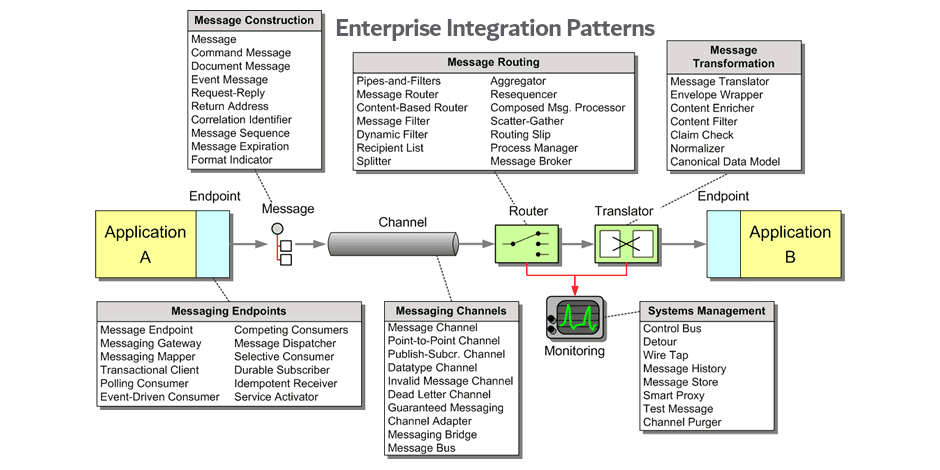
How would you design an idempotent order confirmation email sender?
Tests preventing duplicate side effects in distributed systems. Strong answers use deduplication keys, idempotency windows, and distinguish client retries from broker redelivery. Red flag: using a read-before-write check without unique constraints or TTLs.
Purpose and key sections of CONTRIBUTING.md
It documents how to contribute; key sections are setup and dev workflow, contribution process and standards, and review and release expectations.
What analytical frameworks structure synthesis beyond thematic analysis?
Tests if you model problems structurally, not just code themes. Strong answers pair mental models to map user goals with JTBD to prioritize unmet needs by importance and satisfaction. Red flag: naming frameworks without explaining how they reshape synthesis.
Create a counter where clicking '+' increases the number by one
Tests Figma number variables and Set variable action. Use a number variable on the text, then add an On click trigger on the plus button with Set variable and an expression to add one. Red flag: using duplicate frames instead of a single dynamic variable.
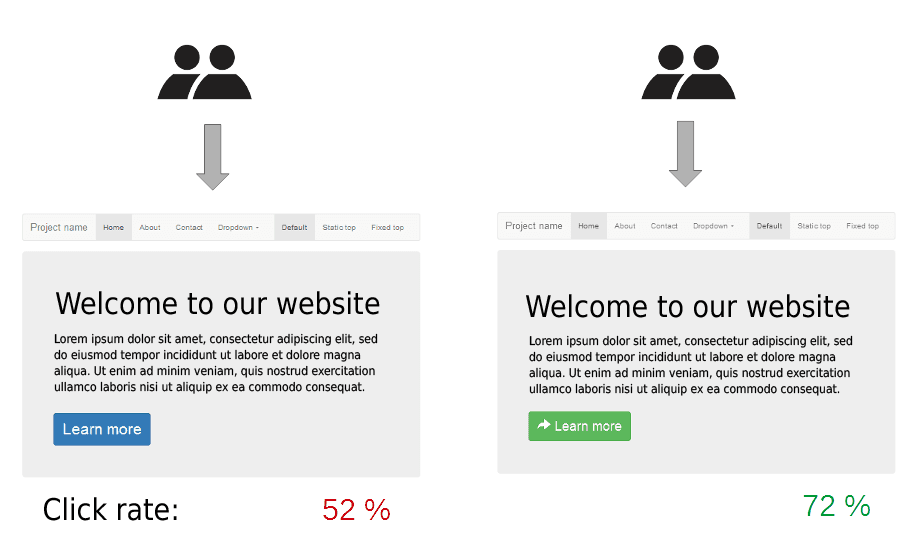
Architect email subject line A/B testing for a large user base
Tests distributed systems and statistical rigor. Covers deterministic user bucketing, isolated variant delivery, deduplicated tracking, and pre-powered significance. Red flag: daily re-randomization or using open rate without confidence intervals.
Classifying a visually breaking padding change
A layout-shifting padding change is effectively breaking, so major; release with visual diffs, a migration note, and a token or opt-in path.
Mean, median, and mode: which measure for task completion times?
This tests whether you know task times are skewed and sample size drives the mean-versus-median choice. A strong answer cites the under-25 rule, contrasts mean outlier sensitivity with median robustness, and dismisses mode. Red flag: defaulting to the mean.
How would you conditionally enable Submit after checking a terms checkbox?
Tests Figma advanced prototyping with boolean variables and conditionals. Strong answer: create a boolean for checkbox state, set it on click, then conditionally enable Submit only when true.
Explain SPF, DKIM, and DMARC roles and implementation tasks
SPF authorizes IPs, DKIM signs content, DMARC aligns both to the From domain and enforces policy plus reporting.
Designing a component deprecation process
Announce with a replacement and timeline, mark deprecated with runtime and lint warnings, provide codemods, then remove only in a major release.
Explain what a p-value represents in an A/B test and interpret 0.03
This tests frequentist hypothesis testing literacy. It is the chance of seeing a result this extreme if the null of no effect were true; 0.03 means 3% chance of such data under the null, not 97% chance the variant wins. Red flag: saying 97% likely.
How do you populate one overlay for three profiles using variables?
Tests Figma variables and advanced prototyping. Use Set variable actions on each profile to update a string variable bound to a single overlay's name, plus instance swap for the avatar, then open that overlay.

Build a system to send 1M personalized emails in 2 hours
This tests async distributed throughput and deliverability. Cover partitioned queues, auto-scaling workers, per-ESP rate limits, IP rotation, and exponential backoff with dead-letter queues. Red flags: synchronous sends, skipping IP warmup, or no retry logic.
We are hiring for this. Every open role lists the topics its interview covers, so you can prepare for the real thing rather than guessing.
See open roles