Interview questions in Design & UX, page 15
First steps to deprecate a legacy component
Add a JSDoc @deprecated tag and IDE/console warning, document the migration, and keep the component working.
How do you reliably deliver a survey to 10,000 users?
Tests systems thinking for outreach at scale. Strong answers cover idempotent delivery, rate-limited async sending, PII handling and retention, plus observability into delivery and response rates.

Figma Constraints vs Auto Layout: when are Constraints preferable?
This tests resizing logic in Figma. A strong answer states Auto Layout resizes frames to fit content, while Constraints make objects respond to parent frames. It then cites responsive containers, say fluid inputs.
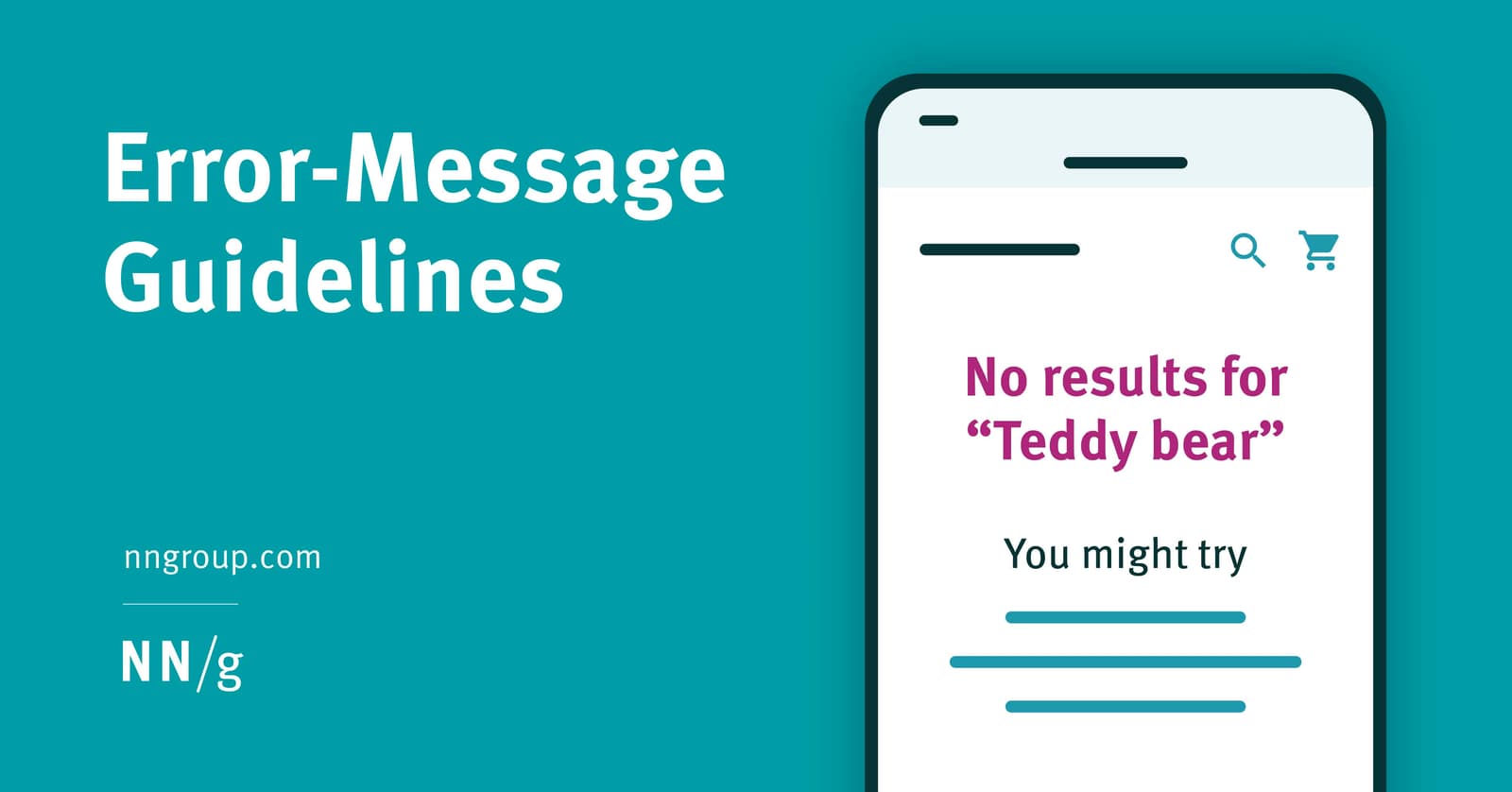
How would you implement specific error messages for failed validation rules?
Error codes from validators, a mapping layer separating logic from copy, and accessible inline rendering.
Tracking design system component usage and versions
Static scan of code or lockfiles, a central reporting store, and a dashboard; data drives deprecation and roadmap.

How would you architect a centralized research repository for heterogeneous data types?
Tests designing systems that unify unstructured UX artifacts into a queryable graph. Cover: ingestion with transcription, a metadata schema linking insights to evidence, and faceted cross-type search. Red flag: a flat file dump without structured tagging.
Create a crescent moon in Figma using Boolean operations
Tests Figma vector workflow and layer hierarchy. A strong answer picks Subtract selection, places the cutter shape above the base, and notes the bottom layer sets fill and stroke. Confusing Subtract with Exclude or ignoring layer order is a red flag.
How do you handle UI text pluralization with ICU Message Format?
This tests i18n depth beyond adding an 's'. A strong answer names ICU MessageFormat, lists the six CLDR plural cases, and notes translators provide strings per case. Red flag: hard-coding suffixes or simple if/else logic that breaks in Polish or Arabic.
Coexisting major versions during migration
Scoped aliases or namespaced packages, isolated token scopes, and incremental migration.
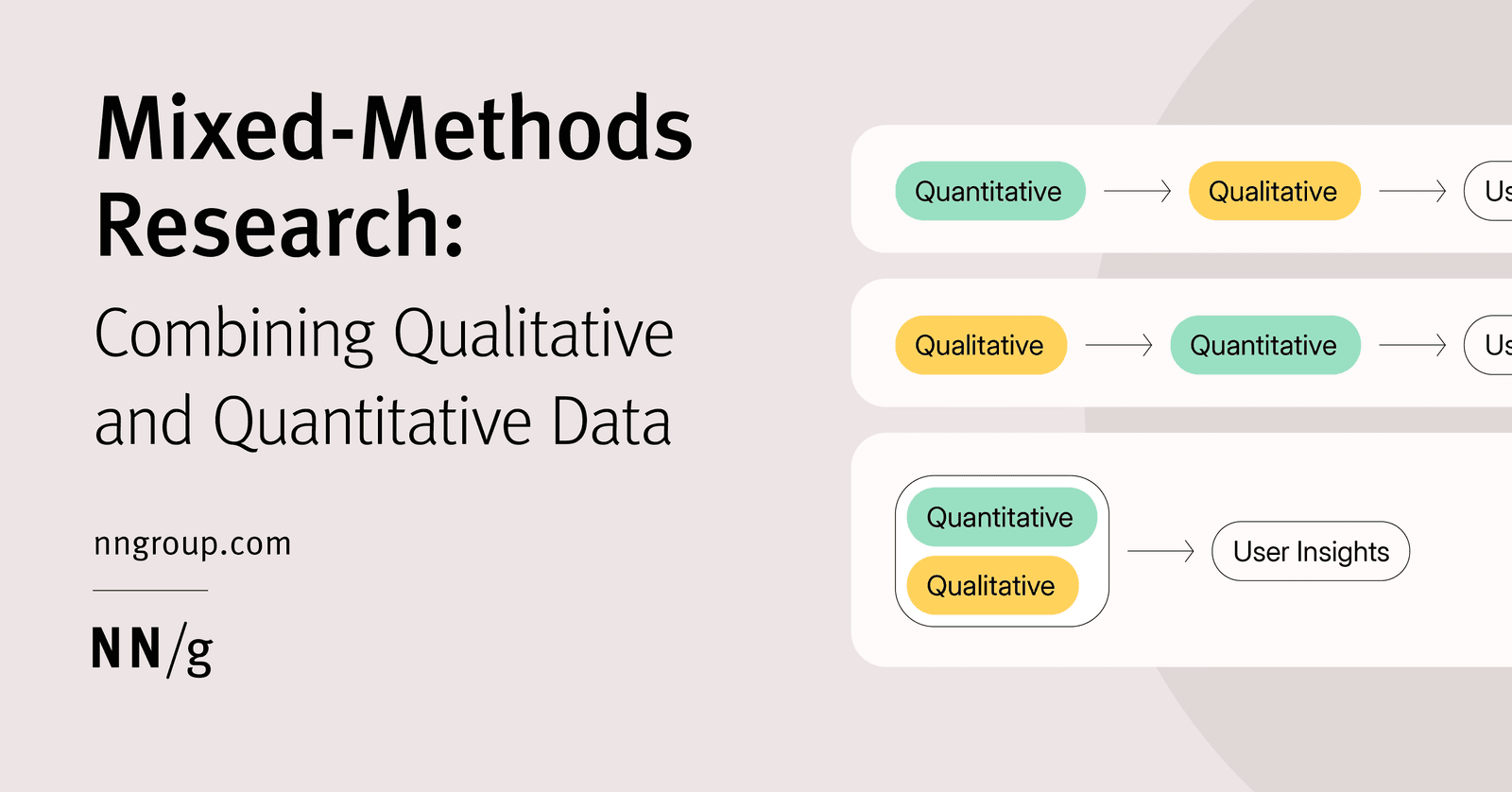
How would you architect a unified quantitative and qualitative user experience view?
This tests intentional mixed-methods integration. A strong answer covers: shared research questions and user IDs; using quant struggles to guide qual interviews; linking datasets by session.
Main components vs instances: how to use Component Properties for multi-state Buttons?
This tests Figma component architecture. A main component is the source; an instance is a linked copy. Use variant properties for state and style, plus booleans for optional layers. Red flags: separate components per state or ignoring property controls.

How do you implement a CTA A/B test and attribute conversions?
This tests experiment architecture from bucketing to attribution. A strong answer covers: stable user bucketing, server or client-side rendering, and conversion events tagged with experiment and variant IDs.
NLP pipeline to theme and tag research transcripts
Chunk and embed transcripts, cluster or LLM-tag for themes, run sentiment with aspect awareness, and keep a human in the loop.
Automated enforcement of deprecated component removal
Lint rule failing new usages, codemods for existing ones, and a usage dashboard gating removal.

How would you structure a complex reusable Figma table with Auto Layout?
Tests nested Auto Layout and component properties for scalable Figma tables. Build atomic hug/fill cells in horizontal row Auto Layout, then stack rows vertically. Expose cell-type swaps via component properties. Red flag: manual resizing or variant bloat.

Describe architecture for live UI text updates without deployment
Structured API, webhook sync, client or edge rendering with cache versioning, and rollback.
Implementing light and dark mode on the web
CSS custom properties for color tokens, a data-theme attribute toggle, and prefers-color-scheme as default.
What research do you give an engineer starting a new feature?
This tests distilling research into actionable engineering guidance. A strong answer gives the engineer a validated problem statement and user context, delivered in the ticket or a five-minute sync. A red flag is handing over a full research deck or raw notes.
How do you let designers swap a component's icon without detaching?
Tests Figma component properties. Answer: apply an instance swap property to the nested icon, set preferred instances from your icon library, and keep it as a component instance. Red flag: suggesting boolean properties or detaching.

Design a CI/CD step to auto-lint application content
Rule types (terminology, placeholders, i18n), tools (TextLint, Vale, AST), and failure mode (block vs warn).
We are hiring for this. Every open role lists the topics its interview covers, so you can prepare for the real thing rather than guessing.
See open roles