Advanced everything in Design & UX, page 10

Deprecation Telemetry: Data-Driven Component Removal
Deprecation telemetry turns removal from a guess into a plan. It's about tracking component usage in code and design files to see who's affected before you delete anything. The footgun is assuming a component is unused, only to break a silent consumer.

Lead Time for Changes: From Commit to Production
Lead Time for Changes measures the time from a developer's commit to that code running in production. It's a core DORA metric for assessing DevOps velocity. The key footgun is confusing it with 'Lead Time,' which tracks from idea to delivery.
Calculating Design System ROI
Frame a design system's value with ROI, not just best practices. This translates abstract benefits like speed and consistency into concrete cost savings, justifying the large upfront investment to management. The footgun is assuming its value is self-evident.
Justifying a Design System with Cost-Benefit Analysis
CBA for a design system isn't a spreadsheet; it's a formal argument weighing upfront costs (dev time) against future benefits (faster shipping). Use it to pitch a new system or justify major components.
Codemods: Automate Design System Upgrades
A codemod is a script that refactors your code for you, using an Abstract Syntax Tree for surgical changes. Use it to automate painful design system migrations, like renaming components across many apps.
Gamification for Design System Engagement
Turn design system adoption from a chore into a challenge by applying game mechanics. Use it to track component usage or encourage contributions with leaderboards and achievements.

Licensing Your Open Source Design System
An open-source license legally defines how others can use, modify, and share your design system. It's essential when sharing a system publicly to encourage adoption. The biggest footgun is not choosing one, which defaults your work to 'look but don't touch'.
Contributor License Agreement (CLA): A Legal Pre-Nup for Code
A Contributor License Agreement (CLA) is a legal pre-nup for code contributions, giving the project owner clear rights to use your work. It's used by projects like Angular or Go to avoid legal ambiguity. The footgun is confusing it with the project's license.
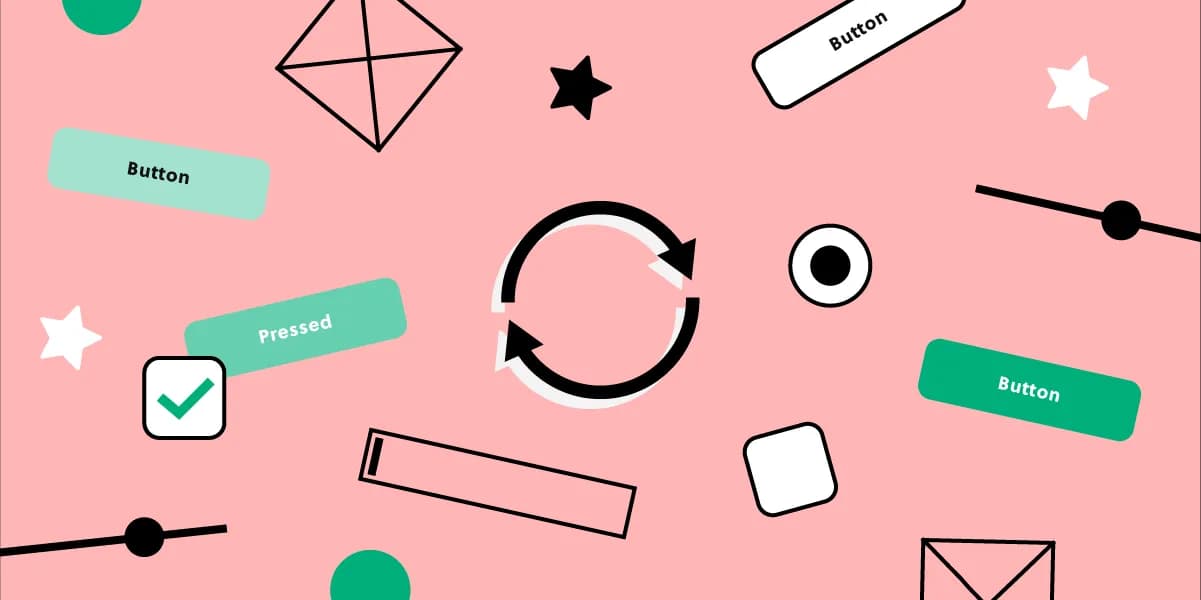
Design System Governance: Preventing UI Drift
Design system governance is the rulebook that stops your UI from becoming a free-for-all. It's used to manage contributions, maintain consistency, and ensure updates are intentional, preventing drift as teams and products scale.
VPAT vs. ACR: The Nutrition Label for Accessibility
An ACR is a standardized report card for a product's accessibility, based on a template called a VPAT. It's a nutrition label stating conformance facts, not a pass/fail grade.

Accessibility E2E Testing: Automating User Journeys
Accessibility E2E testing integrates automated checks into simulated user journeys, testing the rendered app as a user would. It's used in CI/CD to validate flows like sign-up or checkout.
Forced Colors Mode: When the User Overrides Your Palette
Forced Colors Mode is an accessibility feature where the browser overrides your site's colors with a user-defined, high-contrast palette. This ensures readability for users who depend on it. The footgun is disabling it and making your UI invisible.
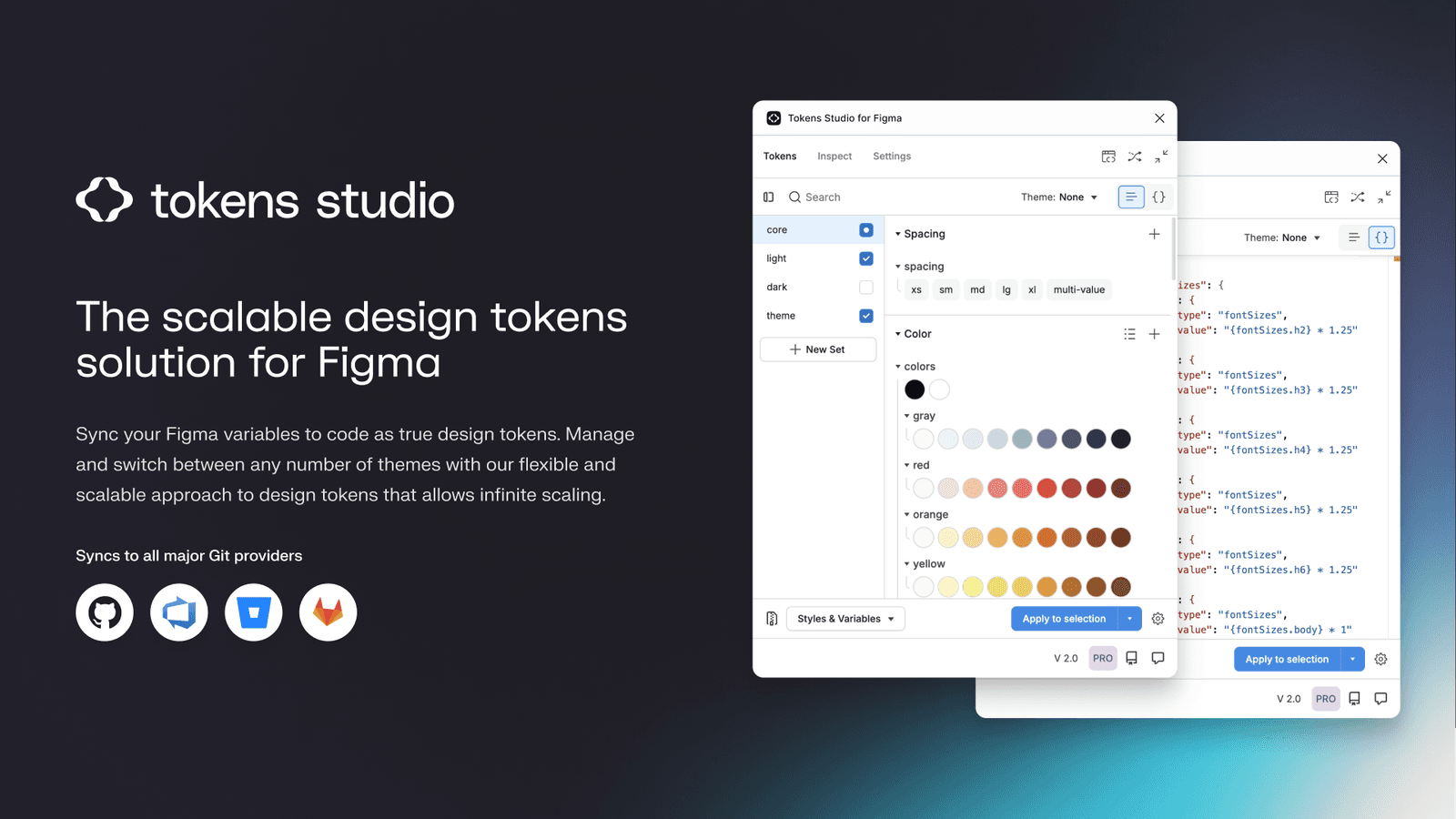
Token Studio: Bridge Figma Designs to Production Code
Token Studio is a control panel for your design system's raw values, bridging Figma with production code. Use it to manage themes and sync design decisions to a developer-accessible Git repo. The main footgun is using it only locally for Figma styles.
Chromatic: Visual Regression Testing for Components
Chromatic is a smoke detector for your UI's appearance, taking snapshots of every component on every commit to catch unintended visual changes. It's used in CI/CD to prevent visual regressions when refactoring. The footgun is relying on it for business logic.

Automated Prop Docs with Storybook Autodocs
Treat your component stories as the single source of truth for documentation. Storybook's autodocs reads your code to generate interactive docs automatically. It's used in design systems to prevent stale docs. The footgun: sparse types yield sparse docs.
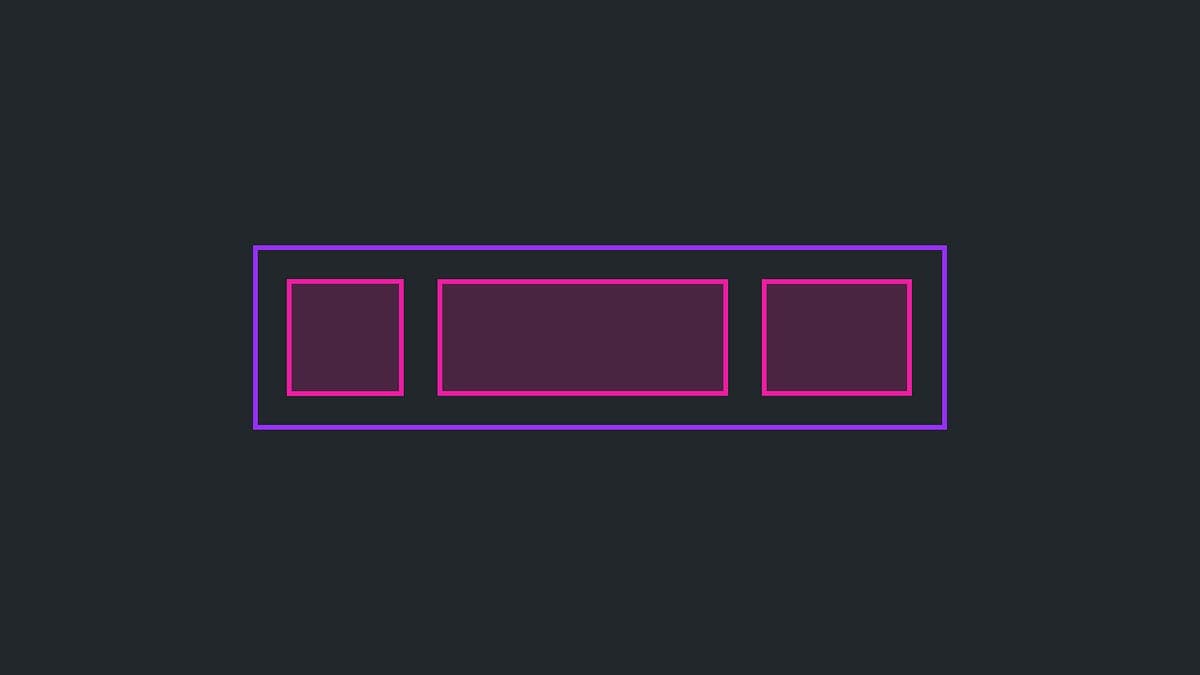
The Slot Pattern: Making UI Components Composable
The Slot Pattern makes components flexible by defining areas for custom content, like a picture frame for your UI. It's used in Cards or Modals to allow varied content in a consistent frame. The footgun is that too much flexibility can break consistency.
ESM vs. CJS: Navigating JavaScript's Module Divide
JavaScript has two module systems: modern, static ESM (import) and legacy, dynamic CJS (require). When publishing a library, you must support both. The footgun is shipping only ESM, as it breaks downstream projects that still use require().
Tree Shaking: Shipping Only the Code You Use
Tree shaking is a build-time optimization that eliminates unused code. For component libraries, it means importing a Button won't bundle the unused DataGrid. The main footgun is side effects: code that modifies global state can't be safely removed.
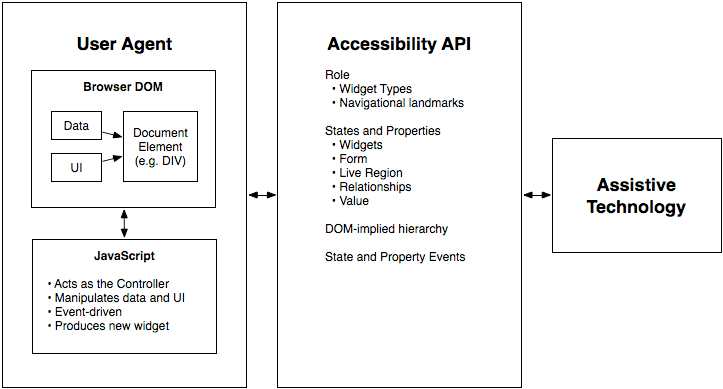
WAI-ARIA: A Script for Custom UI Accessibility
WAI-ARIA gives custom UI a voice for assistive tech. It's the script telling a screen reader what a <div> acting as a button is and if it's "pressed." Use it for custom widgets when native HTML can't.
Automated Token Pipelines: A Single Source of Truth
Automated token pipelines turn design decisions into code, using a standard format to sync styles from design tools to production. This is critical for multi-platform systems, preventing drift.
We are hiring for this. Every open role lists the topics its interview covers, so you can prepare for the real thing rather than guessing.
See open roles