Advanced everything in Design & UX, page 13
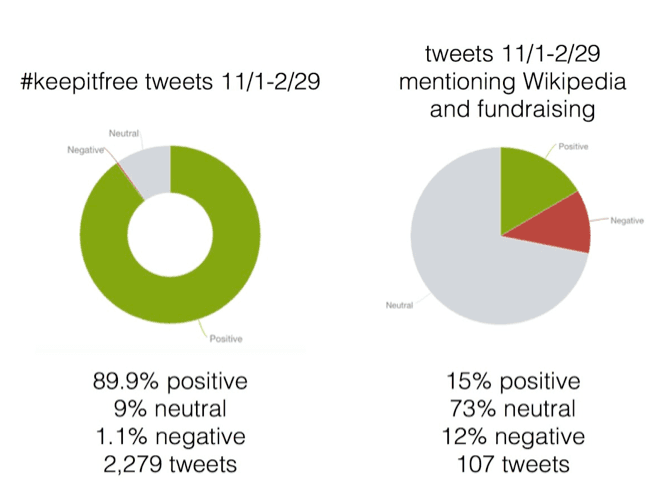
Sentiment Analysis: Reading the Room at Scale
Sentiment analysis is a digital mood ring for text, automatically classifying content as positive, negative, or neutral. It's used to sift through customer reviews and social media to gauge opinion, but often fails on sarcasm or complex context.
The Kano Model: Not All Features Are Created Equal
The Kano model sorts features by how they impact user satisfaction. Use it to prioritize a product roadmap, deciding between fixing basic needs, improving core features, or adding delightful surprises.
Voice of the Customer: Build What People Actually Want
Voice of the Customer (VoC) means capturing user needs in their own words, not your team's jargon. It's used to prioritize features and write marketing copy that resonates. The footgun is treating it as a one-off survey instead of a continuous feedback loop.

Readability Formulas: Scoring Text Complexity
Readability formulas are like a linter for prose, scoring your text's complexity based on sentence and word length. They're used to check if documentation or UI copy is appropriate for the target audience.

StoryBrand: Make the Customer the Hero of Your Message
Stop talking about your company; make the customer the hero of a story where your brand is the guide. Use this for website copy and sales pitches to turn a confusing message into one that drives growth. The footgun is making your brand the hero.
We are hiring for this. Every open role lists the topics its interview covers, so you can prepare for the real thing rather than guessing.
See open roles