More in Design & UX — page 17
Research Advocacy in UX Design
Research advocacy means suspending your own priorities to speak with the user's voice in product decisions. It matters when teams must translate raw user frustration into concrete design changes. The footgun is letting personal opinion masquerade as user need.
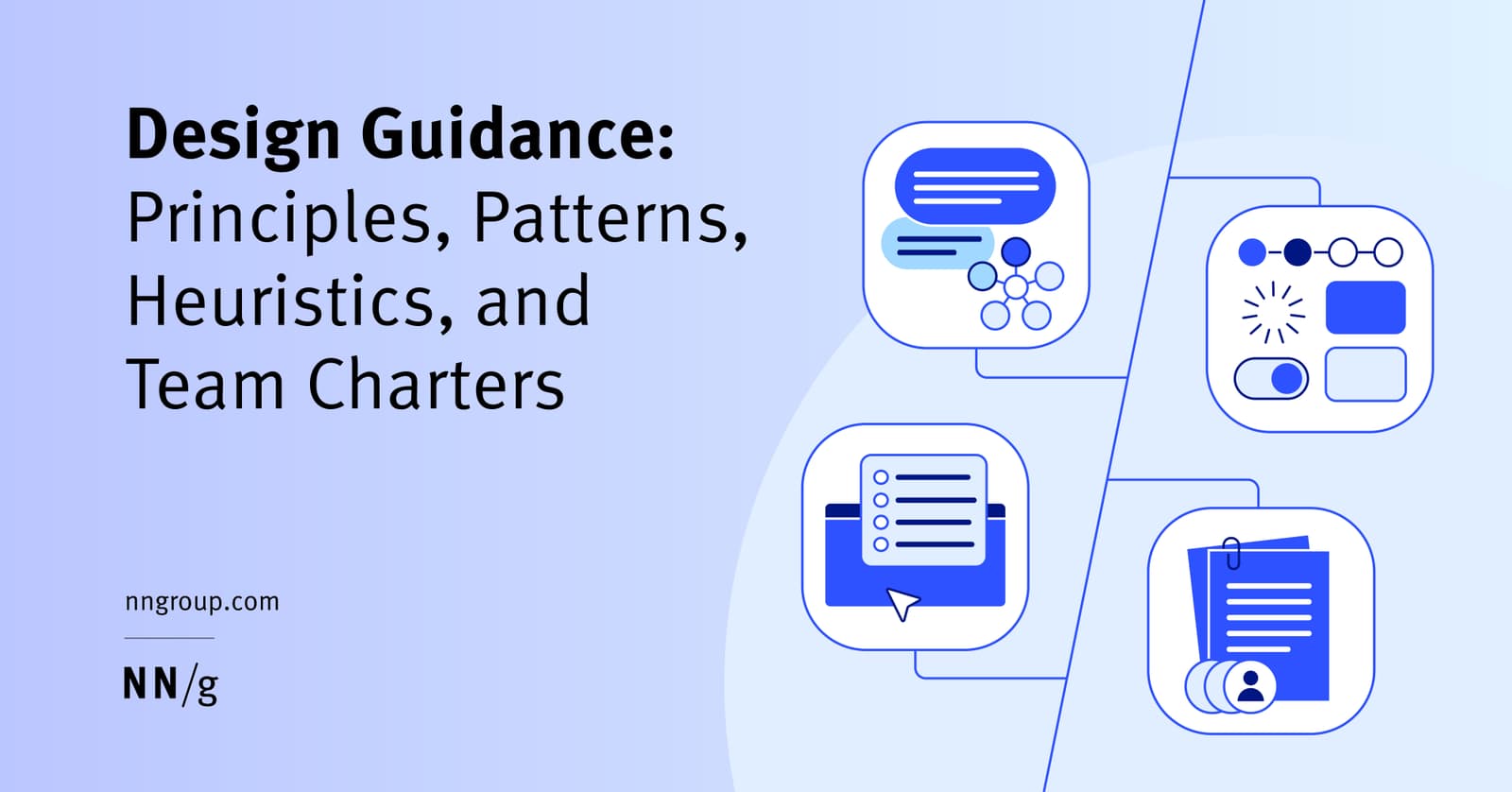
Team Charter: Shared Agreements for Collaboration
A team charter is the operating agreement that keeps collaboration aligned, distinct from the design rules the team produces. Teams use it to establish shared norms alongside principles and heuristics.

UX Maturity: Six Stages of Organizational UX
UX maturity maps how deeply user-centered design lives in an organization, from ignored to user-driven. It matters when scaling research or justifying headcount.
Q-Methodology: Mapping Subjective Viewpoints
Q-methodology treats a person's viewpoint as the data. Clinicians track patient progress over time with it; researchers map how people think about a topic. The footgun is treating its findings as objective truth rather than captured subjectivity.
Facial Expression Analysis in UX
Facial expression analysis captures subjective reactions during interaction for UX assessment. Researchers select it for targeted domains to uncover dynamic perceptions. The footgun is using it without matching the method to the study's constructs and context.

GSR: Tracking Emotional Arousal Through Skin Conductivity
GSR reads unconscious arousal via skin conductivity you cannot control. UX teams use it to surface stress during usability tests users underreport. It measures intensity, not valence, so a spike alone cannot distinguish delight from frustration.
Experience Sampling: In-the-Moment User Reality
ESM captures in-the-moment states before memory distorts them. Use it when you need longitudinal data on behavior fluctuations, not just recalled summaries. The footgun is delay: even brief lag lets participants reconstruct instead of reporting experience.
Localization Testing Validates Regional Adaptation
Localization testing verifies that regional adaptation accounts for differences in distinct markets. It validates the second phase of internationalization and localization, catching the assumption that translation alone is enough.
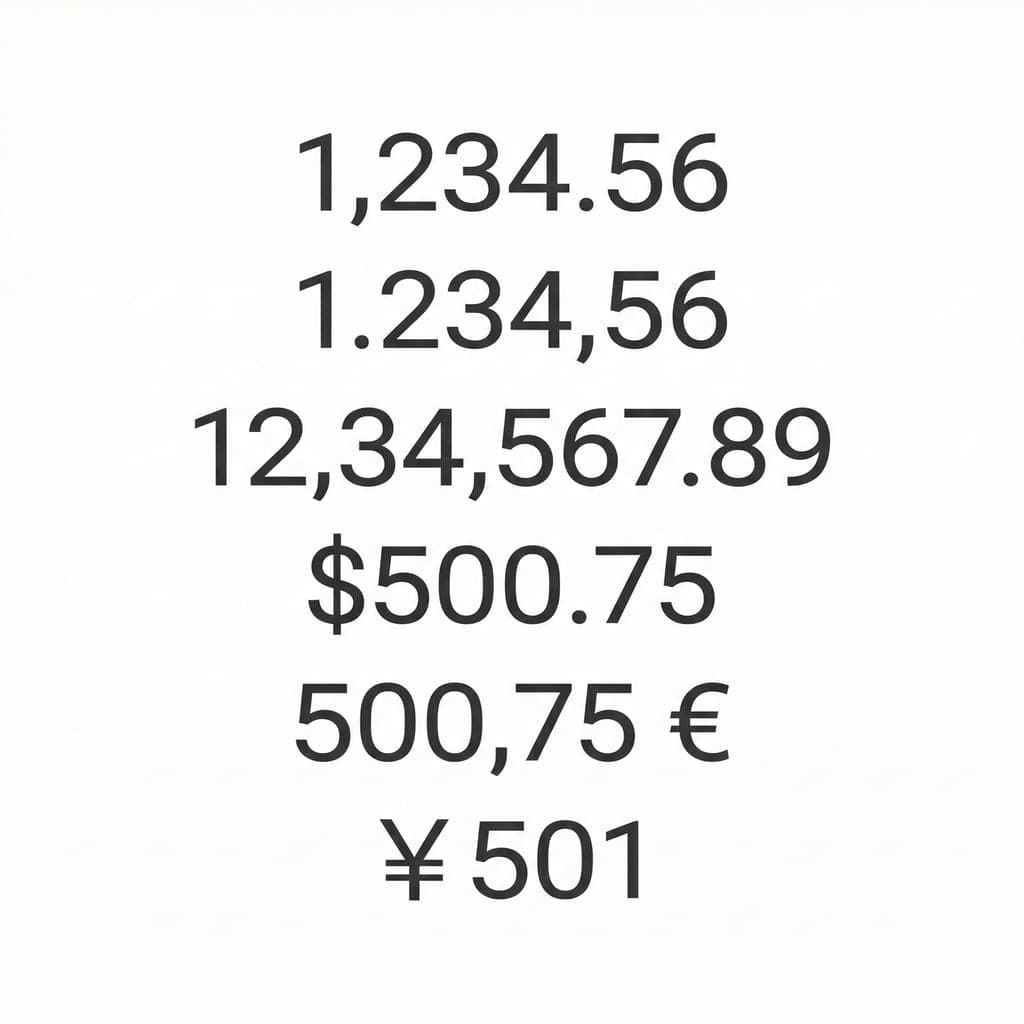
i18n Testing: Check Scripts, Not Just Strings
i18n testing checks your product works across languages, scripts, and cultures before shipping. It catches rendering and layout failures in Arabic, Hebrew, Chinese, Japanese, or Korean contexts.

International UX Research: The Adaptation Spectrum
Researching cultural differences reveals whether to translate text or fully localize an interface. Global products flop when teams ship domestic designs abroad. The footgun is skipping local user testing to validate what actually needs to change.
Inclusive Design
Inclusive design reframes disability as a mismatch between user needs and design. Use it where ability, language, culture, gender, or age create barriers. Never treat it as a disability checklist; it is a methodology for diverse needs.
Critical Incident Technique: Story Mining
Skip asking what users want; ask for the exact moment something went great or terribly wrong. Researchers use this to pinpoint interactions that make or break an experience. Teams collect vague feedback instead of concrete stories with clear context.

UX Competitive Analysis: Benchmark to Outperform
UX competitive analysis treats rivals as free design research: reverse-engineer what works and where the market is underserved. Run it before redesigns and repeat quarterly. The footgun is copying visuals instead of analyzing underlying flows and task success.
RITE Method: Rapid Iterative Testing and Evaluation
RITE treats usability as a rapid feedback loop: test, evaluate, iterate. Championed in Microsoft game development, it suits teams shipping interactive products fast.
Discovery Sprint: Diagnose Before You Spend
A discovery sprint is an organizational x-ray: a small team spends 2-4 weeks interviewing stakeholders to find the real problem before money is spent. Use one before building, when a system breaks, or after leadership changes. It finds causes, not solutions.

Assumption Mapping: De-Risk Before You Build
Assumption mapping treats product ideas as bundles of unproven bets. Teams sort beliefs into desirability, feasibility, and viability to find the riskiest ones. It prevents shipping features nobody wants. The footgun is treating the map as the finish line.

Proto-Persona: Sketch Users from Team Assumptions
A proto-persona sketches your team's user assumptions in a quick workshop, creating shared targets without new research. It aligns Lean teams, but the footgun is treating these guessed profiles as facts rather than hypotheses.
Build-Measure-Learn Loop: Experiment Over Intuition
Ship a small test, watch real reactions, and steer the next version by data instead of gut instinct. Use it when you must know fast if a business model is viable. The footgun is calling the first release a product instead of an experiment.
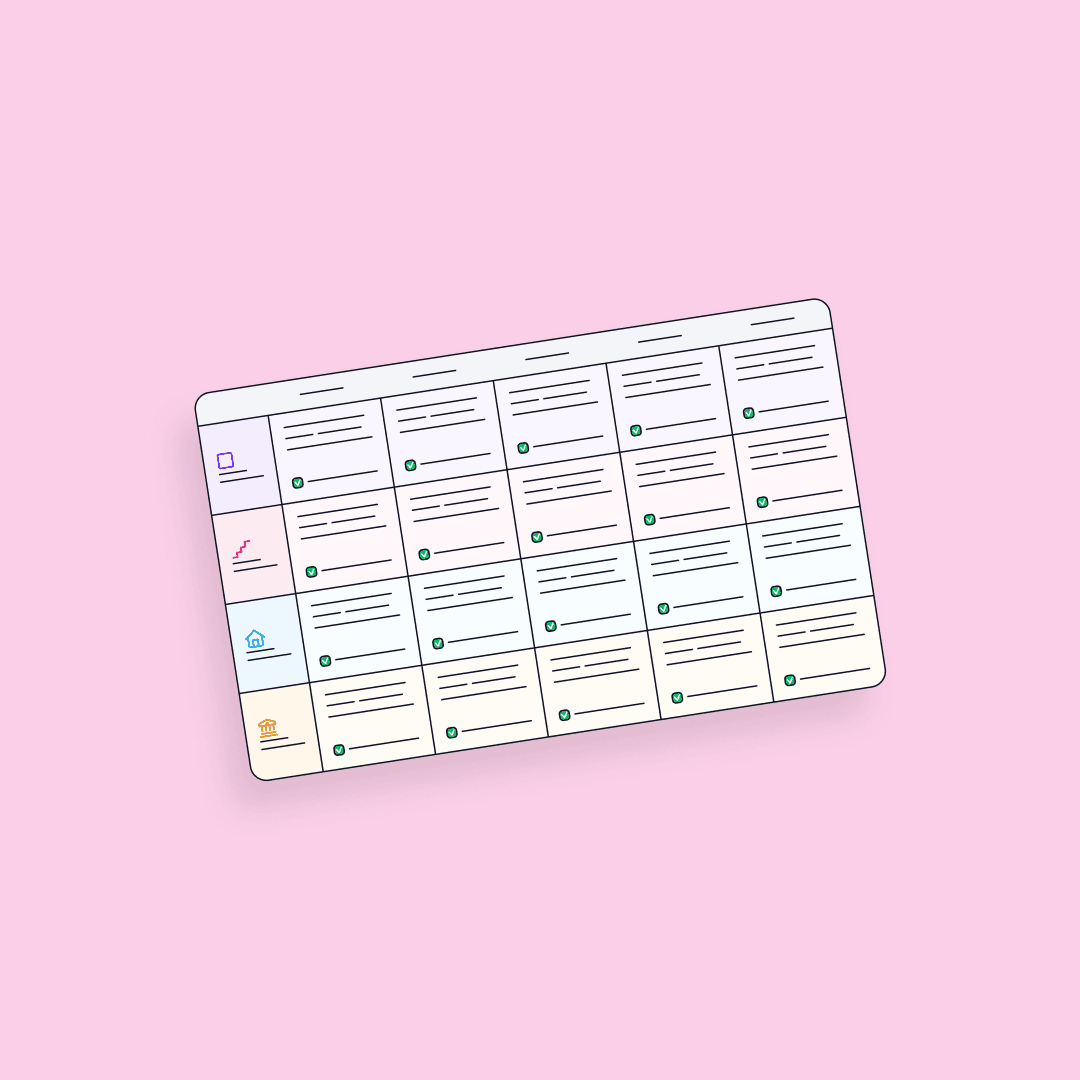
ResearchOps Maturity Matrix: Built for Operations
UX maturity scores insights; ResearchOps maturity scores the factory producing them. Use it to audit governance, participant pipelines, and tooling strategy. The mistake is judging research quality instead of operational infrastructure.

Research Democratization: Scale Without Diluting Quality
Research democratization is controlled expansion, not chaos. Non-researchers run simple interviews while pros own complex design. It helps teams move fast when researchers are scarce, but the footgun is untrained staff picking methods or running quant studies.