Concepts in DevOps & Cloud, page 11
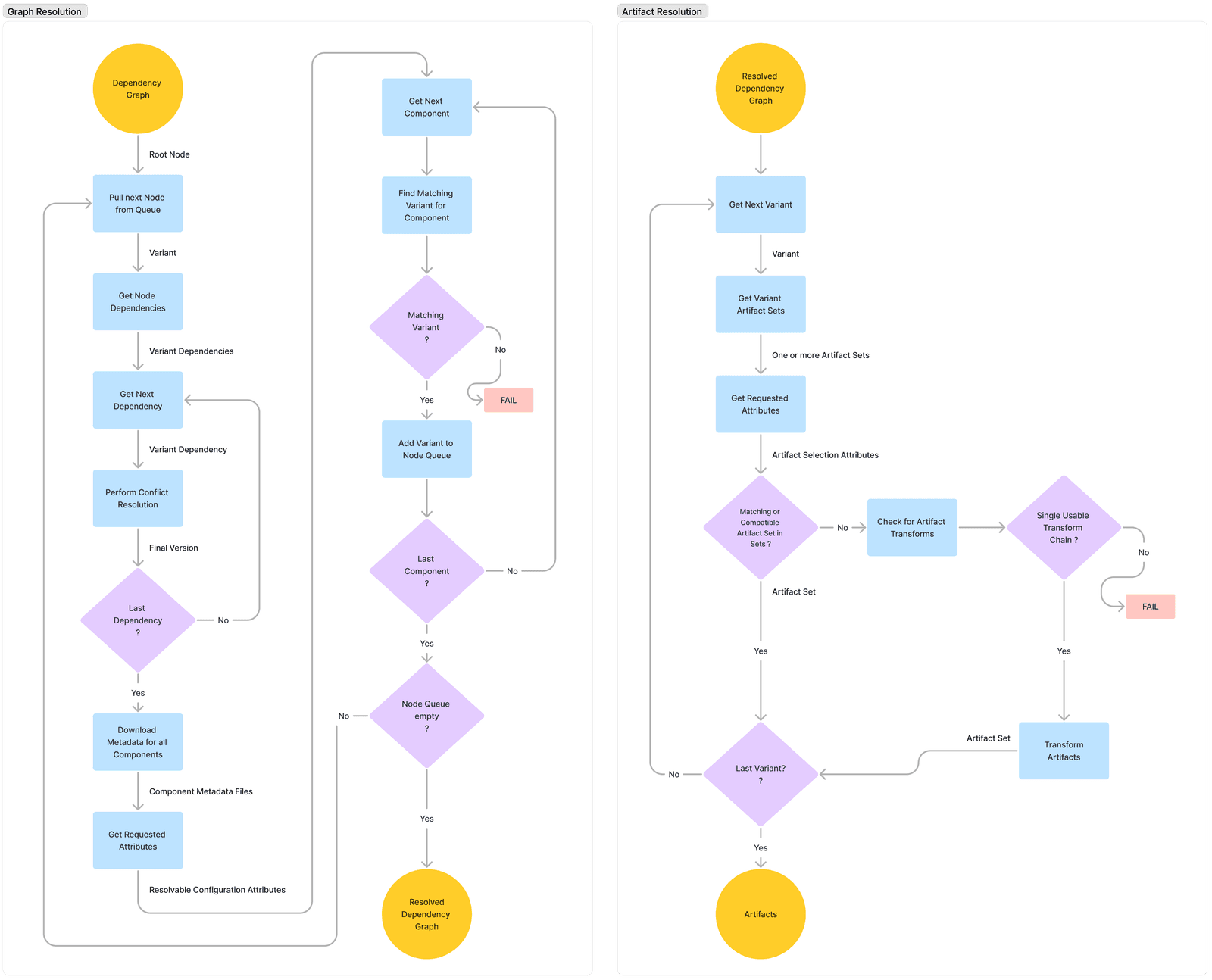
Dependency Conflict: When Your Dependencies Disagree
A dependency conflict occurs when two of your project's dependencies require different, incompatible versions of a shared library. This is common in any project with a dependency graph, forcing your build tool to pick one version, which can introduce subtle…
ChatOps: Your CLI Inside Your Chat Room
ChatOps moves your command-line tools into your team's chat, making operations a spectator sport. Instead of a solo SSH session, you run commands via a bot for all to see. Use it for deployments and status checks. The biggest footgun is security.
Kubernetes Jobs: For Tasks That Need to Finish
A Kubernetes Job runs a task to completion, unlike a Deployment which runs forever. Use it for one-off operations like database migrations or batch processing. The footgun is forgetting to set a retry limit, causing failed jobs to loop indefinitely.
Service Principal: Your App's Identity
A service principal is an application's identity in a specific security context, like a "robot user." It's the local instance that gets permissions, separate from the app's global blueprint. This is how CI/CD pipelines authenticate to cloud APIs.
Artifact Promotion: Build Once, Deploy Everywhere
Artifact promotion means you build software once, then deploy that exact same package to every environment. This prevents "it worked in staging" failures caused by rebuilds pulling different dependencies. The footgun is rebuilding per environment.

Follow-the-Sun: A Global Relay Race for Work
Follow-the-sun is a global relay race for work. Teams hand off tasks to the next timezone as their day ends, enabling 24/7 coverage without requiring overnight shifts. The footgun is a poor handoff, where lost context erases all the time savings.
Recreate Deployment: Downtime for a Clean Slate
The Recreate strategy is like flipping a switch: it shuts down all old pods before starting new ones. This guarantees downtime but is necessary for breaking changes, like a database migration. The footgun is a failed deployment leaves you with no running app.
Key Management Service (KMS): Don't Roll Your Own Crypto
A KMS is a secure vault for your cryptographic keys. Instead of storing secrets in code or config, you ask the KMS to perform cryptographic operations for you. It's used for encrypting database fields, signing data, and managing secrets for microservices.
Artifact Vulnerability Scanning: A Background Check for Code
Artifact vulnerability scanning is a background check for your software's dependencies, catching known security issues before they ship. It's a key CI/CD step, automatically scanning Docker images against databases of known CVEs. The footgun is alert fatigue.
Imperative kubectl: Directly Command Your Cluster
Imperative kubectl is like giving direct orders to your cluster: 'run this,' 'scale that.' It's great for quick, one-off tasks like debugging a pod or handling an incident.
Web Application Firewall (WAF): Your App's HTTP Bodyguard
A Web Application Firewall (WAF) is a specialized bodyguard for your web app, inspecting all HTTP traffic for malicious requests. It blocks common attacks like SQL injection and XSS by matching traffic against known patterns.

Game Days: Practice Breaking Your System Before It Breaks Itself
A Game Day is a live fire drill for your systems. You intentionally inject failure—like shutting down a service—to see how your team and automation respond, finding weaknesses before a real outage does.
Kubernetes Probes: Liveness, Readiness, and Startup
Kubernetes probes ask your app about its health. Liveness asks 'are you alive?' (restart if not), readiness asks 'can you take work?' (pause traffic if not), and startup protects slow-starting apps. This is key for self-healing and zero-downtime deployments.

Single Sign-On (SSO): One Login, Many Apps
Single Sign-On (SSO) lets you log in once to access multiple apps. Instead of juggling passwords for Slack and Jira, you authenticate with one central service. This simplifies corporate IT access management.
Jenkinsfile: Your CI/CD Pipeline as Code
A Jenkinsfile is a text file that defines your entire CI/CD pipeline as code, living in your source control. It automates build, test, and deploy steps. The main footgun is confusing its two syntaxes: Declarative is simpler, while Scripted offers more power.
Cloud Audit Trail: The 'Who Did What' Record
Think of a cloud audit trail as security camera footage for your infrastructure, recording who did what, where, and when. It's essential for investigating security incidents, proving compliance, and debugging operational issues.
The Incident Management Lifecycle
Incident management is a structured loop for handling service disruptions. It's not just about fixing the problem now, but identifying, analyzing, and correcting hazards to prevent them from happening again. The biggest mistake is skipping the 'prevent' step.
Init Containers: Setup Tasks Before Your Main App Runs
Init containers are setup tasks that run to completion before your main application starts. Use them to wait for dependencies, fetch configs, or run database migrations.
Identity Federation: One Login for Many Services
Identity federation lets one trusted system vouch for a user's identity to many apps, like using a driver's license at multiple venues. This powers "Sign in with Google" and corporate SSO, but don't confuse it with simple user directory syncing.
Pipeline Triggers: The 'If This, Then That' of CI/CD
Pipeline triggers are the "if this, then that" for automation. They kick off builds on a code push (CI), run tests for a pull request (PR), or execute jobs on a schedule. The footgun: many systems enable triggers on all branches by default, causing unwanted.
We are hiring for this. Every open role lists the topics its interview covers, so you can prepare for the real thing rather than guessing.
See open roles