Concepts in DevOps & Cloud, page 14
Vagrant: Your Dev Environment as Code
Vagrant is a scriptable remote for virtual machines, defining a dev environment in one text file. It ensures teams have identical, isolated setups, solving "it works on my machine" problems.
EndpointSlice: Splitting the Monolithic Endpoints List
EndpointSlice shards a service's pod backends into smaller chunks instead of one massive list. This keeps kube-proxy and DNS fast when services scale to thousands of pods. Do not edit them by hand; the controller owns them and will overwrite your changes.
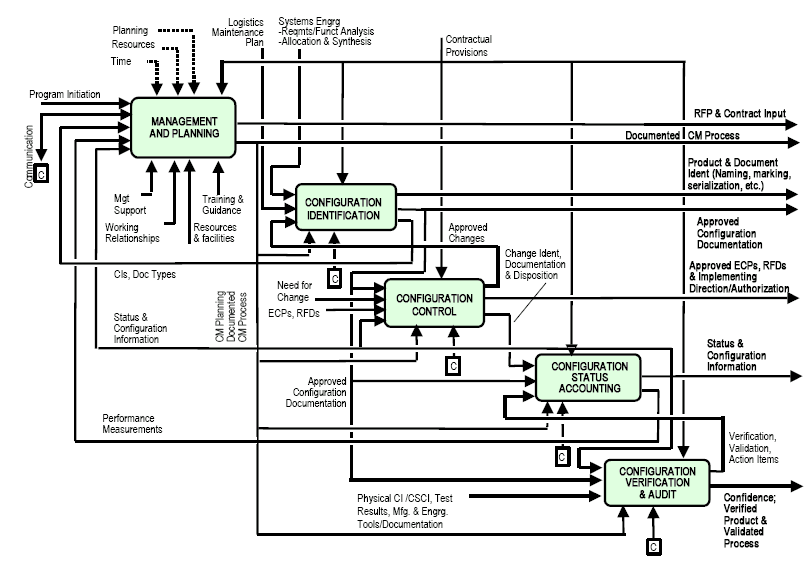
Configuration Management: Enforcing Desired State
Configuration Management treats your system's setup as code to prevent "configuration drift." It's used to reliably provision servers, deploy apps, and manage fleets, ensuring every component matches its intended design and is reproducible.
Serverless Databases: Pay for Use, Not for Idle
A serverless database automatically scales compute and storage based on demand, from zero to massive, without you managing any servers. Use it for spiky, unpredictable workloads to avoid paying for idle capacity.
Terraform State: The Map to Your Infrastructure
Terraform state is the source of truth mapping your code to real cloud resources. It's used on every plan and apply to determine changes. The footgun: never store state in Git or edit the tfstate file directly; this risks corruption and secret leaks.
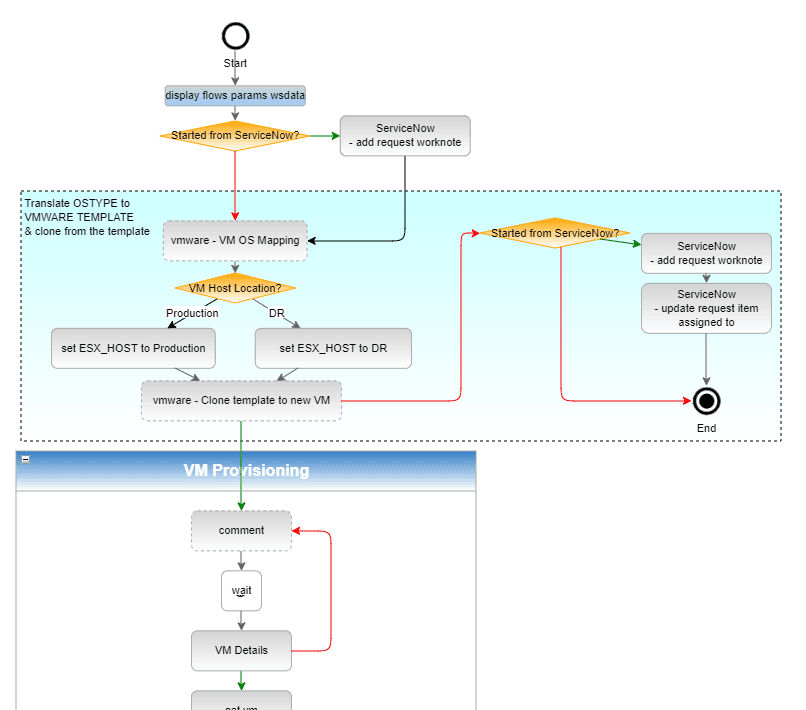
Executable Runbooks: Code, Not Just Checklists
An executable runbook turns a procedural document into an automated script. Instead of reading steps, you run them. It's used for incident response or maintenance, ensuring consistency. The footgun is not making them idempotent, which can worsen an outage.
Kubernetes NetworkPolicy: A Firewall for Pods
NetworkPolicy is a firewall for pods, locking down traffic in a cluster where everything can talk to everything by default. Use it to isolate services, like preventing a web frontend from directly accessing a database.
Cloud Data Warehouse: Analytics Without the Hardware
A cloud data warehouse is your company's analytical brain, but without the hardware headache. It separates storage and compute, letting you query massive historical datasets from sales, marketing, and ops.
Packer: Build Identical Machine Images Everywhere
Packer is a universal recipe for baking machine images. It takes a single template and builds identical images for multiple platforms like AWS or Docker. Use it to create consistent "golden images" for your infrastructure.
Auto-Remediation: Automated Fixes for Common Failures
Auto-remediation is a system's immune response, automatically detecting and fixing known problems like a crashed service. It's a core SRE practice for improving availability, but a bad script can create a 'remediation storm' that worsens an outage.
kube-proxy: The Plumber for Kubernetes Services
kube-proxy is the network plumber on each node, making Kubernetes Services work. It translates a Service's virtual IP into routes to real pods using iptables or IPVS. The name is a footgun: it's a Layer 4 packet forwarder, not a Layer 7 application proxy.
Managed Graph Databases: When Relationships Are the Data
A managed graph database models data as nodes and edges, making relationship-heavy queries fast. Use it for social networks, fraud detection, or recommendations.
Ansible: Automating Infrastructure with Playbooks
Ansible is like a recipe book for your servers. You write simple "playbooks" describing a desired state, and Ansible makes it happen over SSH without installing agents. It's ideal for configuration management, app deployment, and orchestrating workflows.
ConfigMap decouples config from container images
A ConfigMap is a key-value store that injects configuration into pods without rebuilding the image. Use it for feature flags, database hostnames, or any non-secret settings. Editing one does not restart existing pods, so stale config is the common footgun.

Automated Canary Analysis: Let the Metrics Decide
Automated canary analysis uses metrics to decide if a new release is safe. It compares a new 'canary' version against the stable 'baseline' in production, scoring its health before a full rollout.
Managed Time Series Databases (TSDB)
A managed time series database is a hosted service optimized for data with a timestamp. It's used for application monitoring, IoT sensor data, and financial analytics. The main footgun is using a general-purpose database, which fails at high-volume writes.
Infrastructure Drift: When Reality and Code Diverge
Infrastructure drift is when live systems no longer match their configuration code. This happens when someone manually changes a cloud resource instead of updating the Terraform file. The footgun: your next terraform apply may destroy your manual changes.
CI/CD Pipeline: Automating Code from Commit to Production
A CI/CD pipeline is an automated assembly line for code, moving changes from commit to production. It automates building, testing, and deployment to increase release speed and find defects early.
Kubernetes Secrets: Managing Sensitive Data in Pods
A Kubernetes Secret is a dedicated object for storing sensitive data like API keys, separating them from your application code. It's used to inject database credentials or TLS certificates into pods.
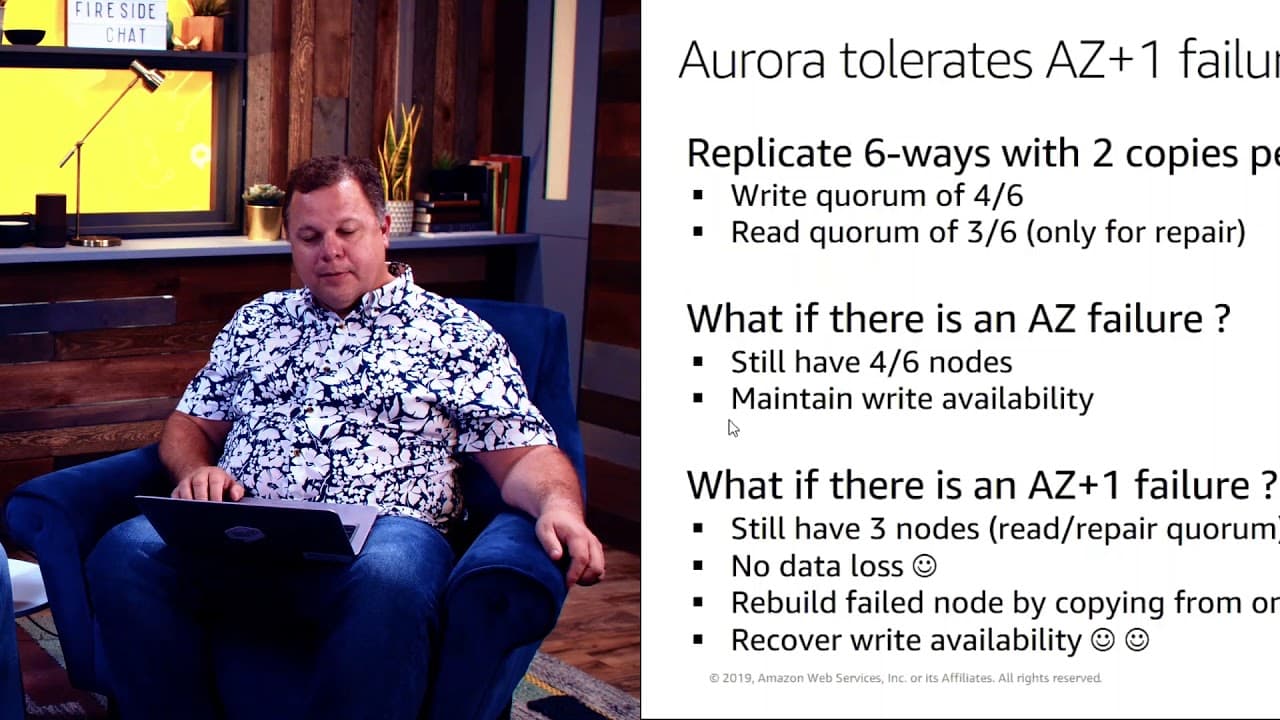
Global Database: One Logical DB, Multiple Regions
A global database is a single logical database that spans multiple geographic regions, providing fast local reads and disaster recovery. It's used for apps with a worldwide user base that must survive regional outages.
We are hiring for this. Every open role lists the topics its interview covers, so you can prepare for the real thing rather than guessing.
See open roles