Concepts in DevOps & Cloud, page 22
Shift-Left Resilience: Chaos in Your CI/CD Pipeline
Think of it as an automated stress test in your build pipeline that breaks things on purpose. It runs alongside integration tests, injecting faults like pod failures to find weaknesses before a merge.
Kubernetes Events: The Cluster's Short-Term Memory
Think of Kubernetes Events as a cluster's temporary log, recording state changes like a Pod starting or a container failing. Use them with kubectl describe to debug issues in real-time.

Consolidated Billing: Combine Cloud Bills for Bigger Discounts
Consolidated Billing is like a family phone plan for AWS accounts. It rolls multiple accounts into one bill, letting you share volume and savings plan discounts across the entire organization.
Environment Gating: Automated Go/No-Go for Deployments
Environment gating is an automated checklist for your CI/CD pipeline. Instead of just building code, it checks external signals like monitoring alerts or bug trackers before promoting a release.
The SRE Mandate: Breaking the Dev vs. Ops Cycle
SRE breaks the classic conflict between developers who want to ship fast and operations teams who want stability. It treats operations as a software problem, not a human one. The footgun is creating a rebranded sysadmin team that still does manual work.
Kubernetes Metrics Server: The Engine for Autoscaling
Metrics Server is the dedicated speedometer for your cluster's pods, feeding CPU and memory usage to Kubernetes's autoscalers. It powers the Horizontal and Vertical Pod Autoscalers and the kubectl top command. The footgun: it's *only* for autoscaling.
AWS Cost Explorer: Visualize and Forecast Your Cloud Spend
Cost Explorer is your cloud bill's interactive dashboard, turning raw data into trend graphs and forecasts. Use it to find which service is driving up costs or to predict next quarter's bill. The main footgun: once enabled, it cannot be disabled.
Threat Modeling: Thinking Like an Attacker
Threat modeling is thinking like an attacker to find security flaws before they're exploited. It systematically analyzes your system to prioritize defenses against the most likely threats. The footgun is treating it as a one-off task, not a continuous process.
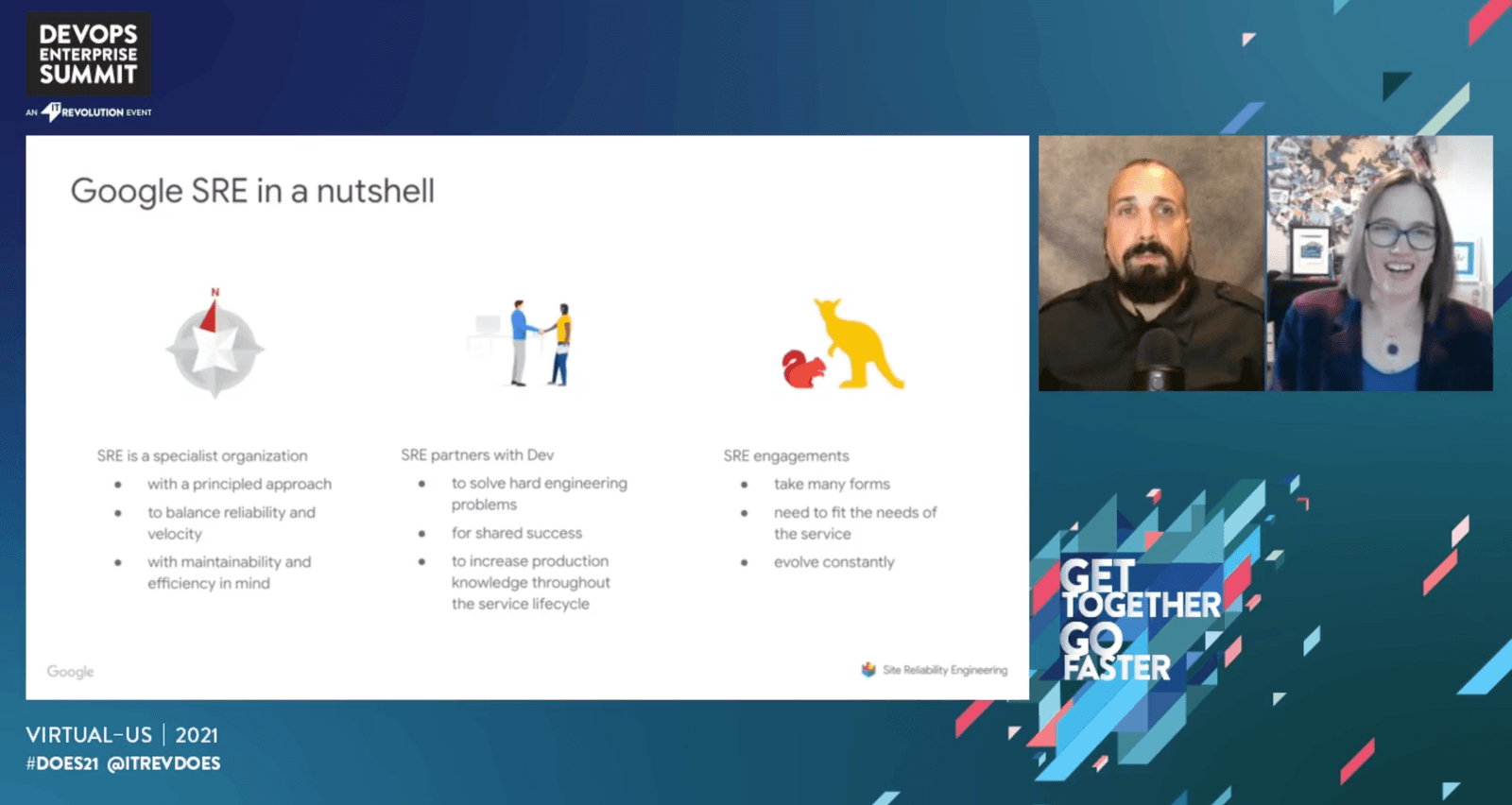
SRE Office Hours: Scaling Expertise Through Consultation
SRE Office Hours are a scheduled time for development teams to get expert advice from SREs, scaling reliability knowledge without embedding them everywhere. Use them to review designs or define SLOs. The footgun is treating them as on-call support.
Kubernetes Cluster-Level Logging
Cluster-level logging treats logs as a stream, not as files on ephemeral pods. It centralizes logs from all nodes before they disappear when a pod dies, which is essential for debugging any production application.
Cloud Budgets: Your Guardrail Against Overspending
A cloud budget is a spending alarm for your cloud account. It warns you when costs approach a limit you've set, preventing surprise bills. Use it to track monthly spend or monitor usage. The main footgun: billing data lags, so you can overspend before an.
SAST: A Security Spellchecker for Your Code
SAST is like a spellchecker for security, scanning your source code for vulnerabilities before it ever runs. It integrates into your CI/CD pipeline to give feedback on every commit. The main footgun is noise: false positives can overwhelm developers.
SRE Team Topologies: Organizing for Fast Flow
Team Topologies structure teams to speed up value delivery by organizing around the software itself. This model helps scale product organizations, adopt cloud-native architectures, or build a platform engineering function.

Prometheus Architecture: A Pull-Based Monitoring System
Prometheus is a monitoring system that actively pulls metrics from your services, rather than waiting for them to push data. It's the standard for tracking performance in dynamic environments like Kubernetes.
Cloud Rightsizing: Stop Overpaying for VMs
Rightsizing stops you from overpaying for idle cloud capacity. It involves analyzing CPU and memory usage to shrink over-provisioned VMs. Always collaborate with application owners before making changes.
Software Composition Analysis (SCA): Know Your Dependencies
Software Composition Analysis (SCA) is like checking the ingredient list for your software. It scans the open-source libraries you use for known vulnerabilities, license issues, and outdated versions.
Prometheus Exporters: Translating Metrics for Monitoring
A Prometheus Exporter is a translator, converting metrics from third-party systems like databases or hardware into the format Prometheus can scrape. Use one when you can't modify an app's code directly.
AWS Savings Plans: A Bulk Discount for Compute
Think of Savings Plans as a bulk discount for AWS compute. You commit to a consistent hourly spend for 1-3 years to get a lower rate on EC2, Fargate, and Lambda. The footgun is over-committing; you pay for your commitment even if you don't use.
AWS Cost and Usage Report (CUR)
Think of CUR as your AWS itemized receipt, delivered daily to S3. It breaks down charges by hour, product, resource, and tag for spreadsheets or Athena queries. Mid-month numbers are estimates, so do not lock budgets until the report finalizes after invoicing.
Shared Ownership Model: Bridging the Dev/Ops Divide
The shared ownership model ends the tug-of-war between developers wanting to ship and operations teams wanting stability. Both teams share responsibility for service quality, using SLOs as a common language.
We are hiring for this. Every open role lists the topics its interview covers, so you can prepare for the real thing rather than guessing.
See open roles