Concepts in DevOps & Cloud, page 25
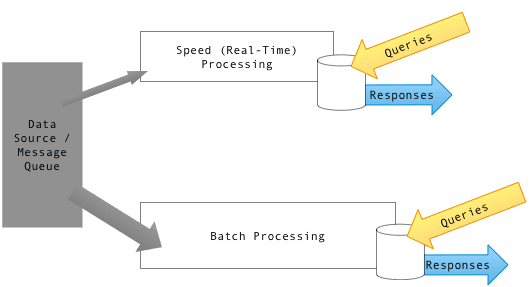
Lambda Architecture: Batch and Stream for Big Data
Lambda Architecture splits data into two paths: a slow, comprehensive batch layer and a fast, real-time stream layer. It's used in big data systems needing both historical accuracy and live views.

DORA Metrics: Vital Signs for Your CI/CD Pipeline
DORA metrics are four vital signs for your software delivery process, balancing speed and stability. They benchmark DevOps performance from commit to production. The main footgun is optimizing for speed while ignoring stability, leading to frequent outages.
DevOps Is Culture, SRE Is Engineering
DevOps is a cultural philosophy for fast, safe delivery; SRE is the engineering discipline that implements it with error budgets and SLOs. They are complementary, not rival job titles. The footgun is hiring SREs and declaring DevOps done.
Helm Subcharts: Composing Applications from Dependencies
Helm subcharts are nested components a parent chart can configure, like a docker-compose for Kubernetes manifests. Use them to bundle dependencies like a database with your app. The footgun: subcharts are sandboxed and cannot access parent values directly.
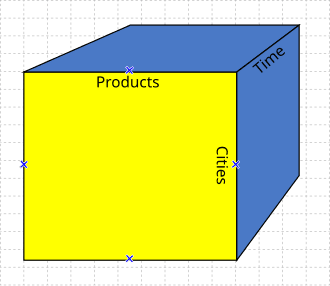
OLAP Cube: Pre-Aggregating Data for Fast Analysis
An OLAP cube is like a Rubik's Cube for your data, pre-calculating answers to complex business questions. It powers BI tools, letting you 'slice and dice' sales data by region and time for fast reports. The footgun: data is typically stale, not real-time.
Pipeline Analytics: Measuring Your CI/CD Health
Pipeline analytics is a fitness tracker for your CI/CD, revealing if builds are getting slower or less reliable. Use it to spot bottlenecks, track failure rates, and compare branches. The footgun is ignoring the P95 duration, which hides worst-case outliers.
Observability vs Monitoring
Monitoring watches predefined metrics and alerts on known failure modes you anticipated. Observability is the property of being able to ask new questions about a system's internal state from its outputs, letting you debug unknown failures you never predicted…
Helm Hooks: Running Operations During a Release
Helm Hooks are Kubernetes resources that run at specific moments in a release lifecycle. Use them to run a database migration before an app upgrade or to back up data before a deletion. The footgun: a failing hook Job will block and fail the entire.
Apache Flink: Unifying Batch and Stream Processing
Apache Flink treats everything as a stream of data, even finite batches. This unified model lets you process real-time events and historical data with the same logic. Use it for live analytics or fraud detection.
Analyzing Flaky Tests
A flaky test passes and fails randomly without code changes, eroding trust in your CI pipeline. It often points to race conditions or external dependencies. The biggest footgun is ignoring them, as this teaches developers to dismiss real failures.
Metrics in Observability
Metrics are numeric measurements aggregated over time, like counters, gauges, and histograms. They are cheap to store and fast to query, making them ideal for dashboards and alerting, but their pre-aggregation discards per-event detail needed for deep…
Argo CD Sync Phases and Waves: Ordering Your Deployments
Argo CD Sync Phases and Waves are a recipe for ordering deployments. Use them for complex apps where a database migration must run pre-sync. The footgun: a single failed resource in a wave halts the entire sync process, making it brittle if overused.
Apache Beam: Write-Once, Run-Anywhere Data Pipelines
Apache Beam is a universal remote for big data engines. You write your pipeline logic once using its SDK, and it translates your code to run on different "runners" like Spark or Flink. The footgun is thinking Beam is an engine; it's an abstraction that.
Chaos Engineering: Break Systems to Build Confidence
Chaos Engineering is like a fire drill for your software: you intentionally break things in a controlled way to find weaknesses. It's used in distributed systems to test resilience against server failures or network latency.
SLOs Tied to User Journeys, Not APIs
A user-journey SLO measures the full flow a person experiences, not one microservice's health. If checkout is 99.9% up but payments fail, the metric lied. Teams drown in green per-service dashboards while users are furious.
Flux Image Update Automation: Closing the GitOps Loop
Flux's image update automation acts like a bot that watches your container registry. It finds new image tags that match your policies (like semver) and automatically commits the change back to your Git repository, triggering a deployment.
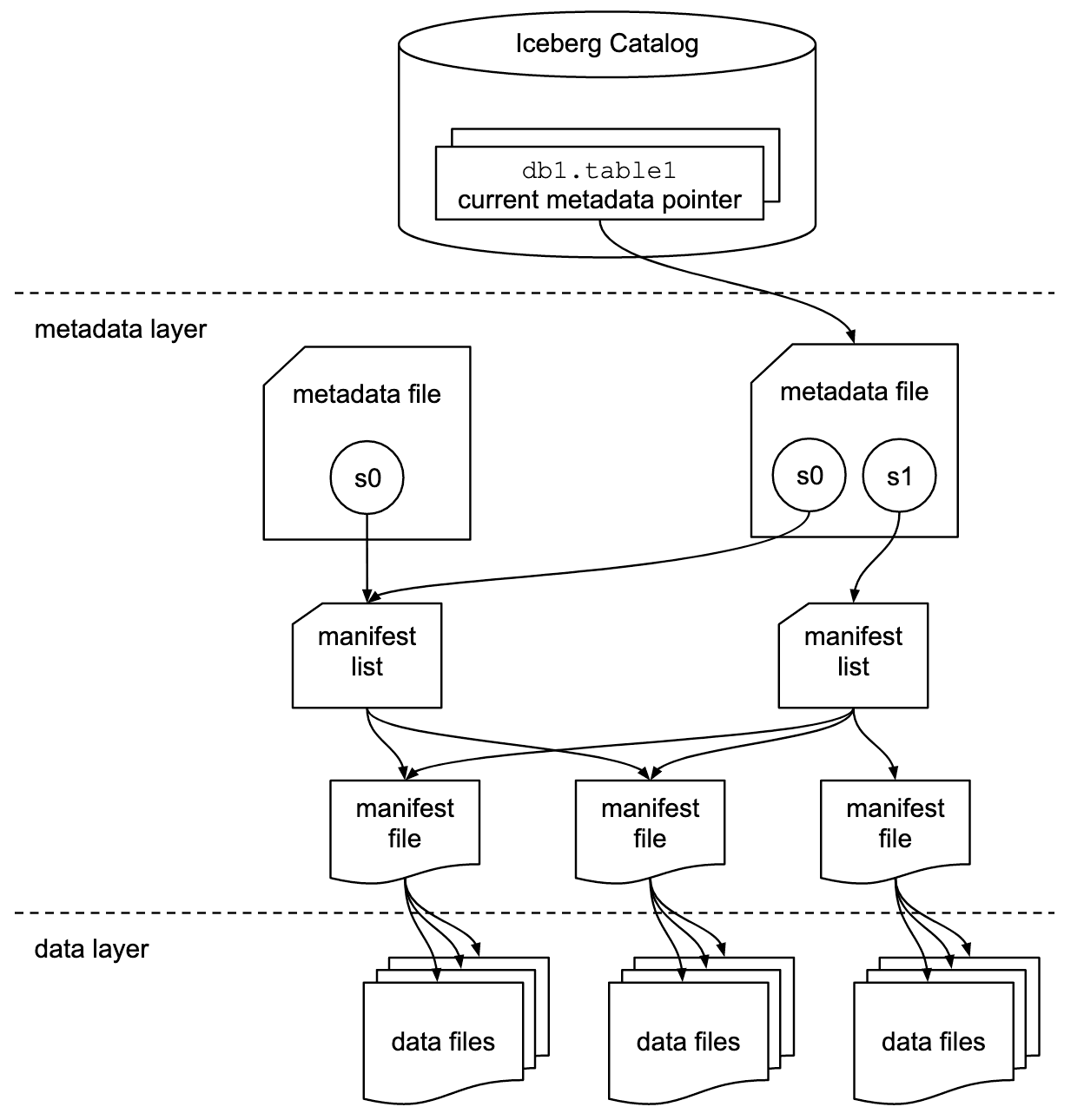
Apache Iceberg: A Table Format for Huge Datasets
Apache Iceberg is an open table format for huge analytic datasets. It adds a metadata layer to files in object storage, enabling engines like Spark and Trino to work with transactional guarantees. The footgun: it's a format, not a query engine itself.
eBPF: Run Sandboxed Programs in the Linux Kernel
eBPF lets you run sandboxed programs directly in the Linux kernel, like adding programmable event handlers to your OS. This enables high-performance networking, security, and observability without changing kernel code.
Auto-Instrumentation
Auto-instrumentation automatically adds telemetry to an application without manual code changes, by hooking into libraries, frameworks, or the runtime. It gives broad baseline observability fast, but produces generic spans that often need manual…
Helm Post-Rendering: Customize Charts Without Forks
Helm post-rendering lets you modify a chart's Kubernetes manifests just before deployment. It's ideal for applying kustomize patches or injecting sidecars without forking a public chart.
We are hiring for this. Every open role lists the topics its interview covers, so you can prepare for the real thing rather than guessing.
See open roles