Concepts in DevOps & Cloud, page 8
Artifact Registry: Google's Universal Package Manager
Artifact Registry is a private, universal package manager for all your software components, not just Docker images. Use it to store your company's Docker images, Java JARs, and Helm charts in one place, integrated with GCP CI/CD.
Cloud Subnets: Your Virtual Network's Neighborhoods
Think of a subnet as a neighborhood in your virtual network (VPC), giving a block of IP addresses to a group of resources. Use them to isolate web servers from databases or apply specific firewall rules.
Smoke Testing: Is This Build Even Worth Testing?
Smoke testing asks: 'Is this build so broken it's not even worth testing?' It's a quick, shallow check of critical functions, run on every new build before more exhaustive QA. The footgun is thinking a passed smoke test means the build is bug-free.

Prometheus: Monitoring with a Dimensional Data Model
Prometheus models system health as labeled time series, not just flat metrics. It pulls data from targets, making it ideal for dynamic cloud environments like Kubernetes. The footgun is using high-cardinality labels, which can overwhelm its storage.
Image Digest: The Immutable Image Identifier
An image digest is a unique fingerprint for a container image, guaranteeing you get the exact version you expect. Use it in production to pin an image, preventing unexpected updates from mutable tags like :latest. The footgun is assuming a tag is immutable.
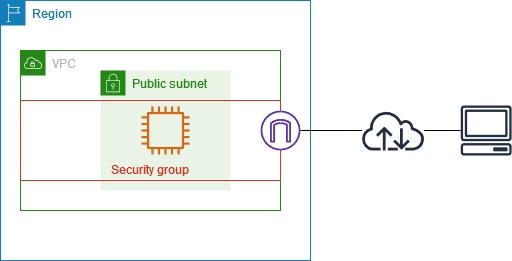
Security Groups: Stateful Firewalls for Your Cloud Resources
A security group is a stateful firewall for your cloud resources, like a bouncer with an allow-list. Use it to let a web server accept traffic or a database talk to app servers. The footgun: opening SSH to the entire internet (0.0.0.0/0).
Quality Gates: Your Automated Code Quality Checklist
A quality gate is an automated checklist that asks, 'Is this code ready to release?' It runs in CI/CD to enforce standards on metrics like bugs and test coverage, blocking merges that fail. The footgun is using one gate for all projects; tailor rules to.
Grafana: Your Single Pane of Glass for Observability
Grafana is the universal dashboard for your system's health, visualizing metrics, logs, and traces from different sources in one place. Use it to monitor application performance and infrastructure health.
Docker Registry Mirror: A Local Cache for Faster Pulls
A registry mirror is like a CDN for Docker images, caching public images on your local network to speed up pulls and avoid rate limits. Use it in CI/CD pipelines to reduce build times. The footgun: you can't docker push to a mirror; it's a.
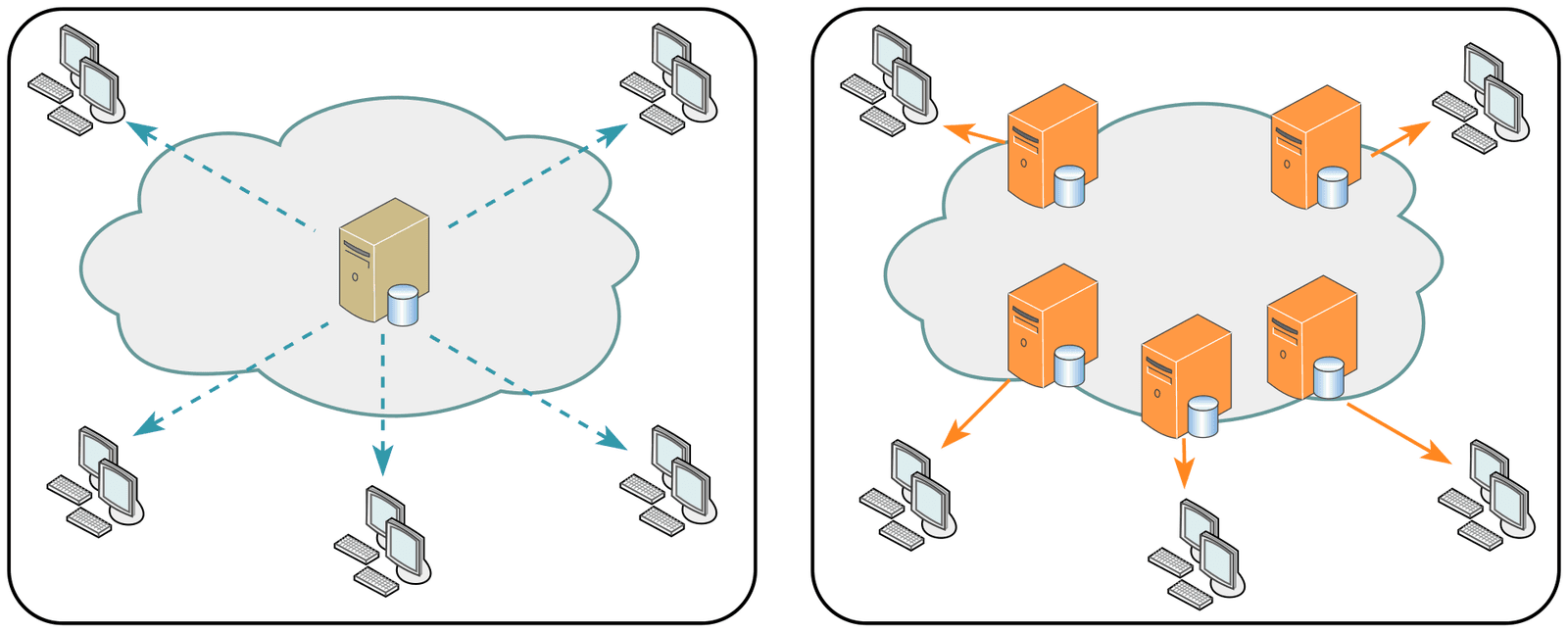
Content Delivery Network (CDN): Serving Content from the Edge
A CDN is like a global chain of convenience stores for your website's assets. It caches copies closer to users for faster delivery, speeding up images, CSS, and video. The footgun: accidentally caching private user data and serving it to everyone.
Regression Testing: Don't Break What's Already Working
Regression testing asks: 'Did my new code break old features?' It's re-running existing tests after a change to catch unintended side effects. It's crucial in CI/CD pipelines before deploying. The footgun is a slow suite that developers skip.
Elasticsearch: The Search Engine in the ELK Stack
Elasticsearch is a distributed search engine for querying massive, schema-free JSON datasets via an HTTP API. It's the core of log analysis platforms like the ELK stack, enabling fast search over terabytes of logs.
OCI Image Manifest: The Recipe for a Container Image
An OCI Image Manifest is the recipe for a single container image, listing its configuration and filesystem layers for one specific architecture. It's what a runtime uses to assemble an image like ubuntu:22.04 on your linux/amd64 machine.
Managed Cloud DNS: Offload Your DNS Server Management
Managed Cloud DNS is DNS-as-a-service, letting you publish records without managing servers. Use it for public domains or private name resolution in your VPCs.
Software Performance Testing: How a System Behaves Under Stress
Performance testing answers 'how does it work under load?' It simulates user traffic to measure a system's responsiveness, stability, and resource use. The footgun is testing unrealistic scenarios instead of finding real-world breaking points.
Downsampling: Trading Granularity for Speed in Time Series Data
Downsampling trades resolution for speed by summarizing old, high-granularity metrics into coarser ones. This makes long-range queries faster and cheaper, common in systems like Thanos for long-term Prometheus data.
Harbor: A Private, Secure Artifact Registry
Think of Harbor as a private Docker Hub with built-in security. Use it to scan images for vulnerabilities, enforce role-based access control, and sign artifacts before deploying to Kubernetes.
NAT Gateway: Your VPC's Outbound-Only Internet Door
A NAT Gateway is a one-way door for your private cloud resources. It lets instances in private subnets initiate outbound traffic to the internet—like for updates or API calls—but blocks unsolicited inbound connections.
Mutation Testing: A Fire Drill for Your Test Suite
Mutation testing is a fire drill for your test suite. It deliberately injects small bugs ('mutants') into your code to see if your tests fail as expected. This ensures tests validate behavior, not just execute lines.
Telemetry Correlation: Connecting Dots in Distributed Systems
Telemetry correlation links logs, metrics, and traces from a single user request into one coherent story. It works by propagating a shared context, like a unique ID, across all services involved.
We are hiring for this. Every open role lists the topics its interview covers, so you can prepare for the real thing rather than guessing.
See open roles