Easy everything in DevOps & Cloud, page 14
SAST: A Security Spellchecker for Your Code
SAST is like a spellchecker for security, scanning your source code for vulnerabilities before it ever runs. It integrates into your CI/CD pipeline to give feedback on every commit. The main footgun is noise: false positives can overwhelm developers.
Threat Modeling: Thinking Like an Attacker
Threat modeling is thinking like an attacker to find security flaws before they're exploited. It systematically analyzes your system to prioritize defenses against the most likely threats. The footgun is treating it as a one-off task, not a continuous process.
Deployment Rollbacks: Your CI/CD Undo Button
A rollback strategy is your CI/CD's undo button, letting you revert to a known good state when a new deployment fails. It's essential for production environments. The biggest mistake is not having one, forcing a frantic 'hotfix' under pressure.

Rolling Deployment: Update Servers Without Downtime
A rolling deployment upgrades servers one by one, like swapping train cars while the train moves. A load balancer directs users to active servers, keeping the app online. The main footgun is incompatibility between old and new code running at the same time.
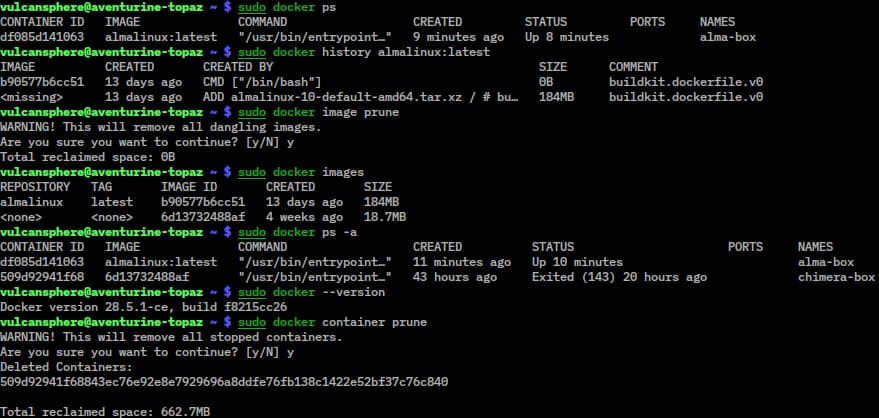
Docker Compose: A Tool for Containerized Applications
Docker Compose is a tool in the Docker suite for running applications in containers. It ensures your app runs the same everywhere by packaging it with its dependencies, solving the 'works on my machine' problem.
Container Image: A Blueprint for Your Application
A container image is a static blueprint for your application, bundling code, runtime, and settings. You build images to ship software for Docker or Kubernetes, which then run them as live containers.
Dockerfile: The Recipe for Your Container
A Dockerfile is a recipe for building a container image. It's a text file of commands that automates an application's environment setup, ensuring it runs identically anywhere. The footgun is creating bloated images with unnecessary build tools.
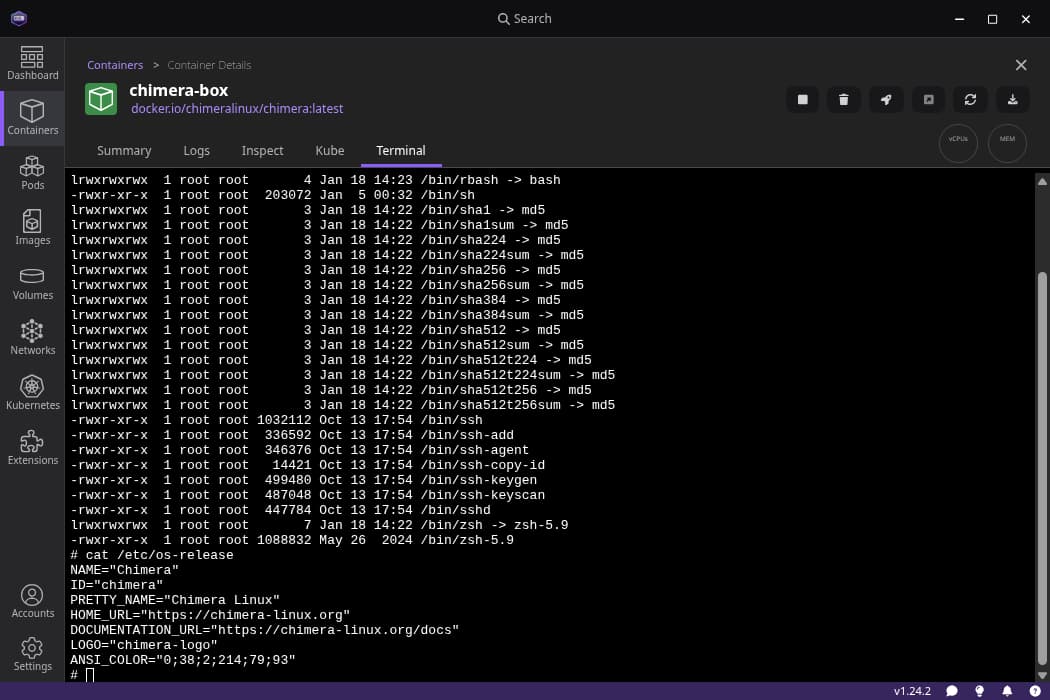
Software Containers: Portable, Isolated Applications
Think of a container as a standardized box for your app, bundling its code and all dependencies. This lets you run it consistently anywhere, from your laptop to the cloud.
The Twelve-Factor App: Store Config in the Environment
Your app's code is the blueprint; its config is the specific address and utility hookups. Store config—database URLs, API keys—in environment variables, not in the code. The footgun is hardcoding secrets, making your code base impossible to open-source safely.
Configuration Files: Separating Code from Settings
A config file separates a program's behavior from its code, allowing you to change settings like database URLs without recompiling. They're used for API keys, feature flags, and environment-specific values. The footgun is committing secrets to version control.
Environment Variables: Configuration Outside Code
Environment variables are settings passed to your app from the outside world, letting you change behavior without touching code. Use them for API keys or database URLs. The biggest footgun is committing secrets to version control instead of using variables.
Vagrant: Your Dev Environment as Code
Vagrant is a scriptable remote for virtual machines, defining a dev environment in one text file. It ensures teams have identical, isolated setups, solving "it works on my machine" problems.
AWS CloudFormation: Your AWS Infrastructure as a Blueprint
AWS CloudFormation is your infrastructure's blueprint. Declare AWS resources in a YAML/JSON file, and AWS builds it. This is perfect for creating repeatable, version-controlled environments.
Terraform: Manage Infrastructure as Code
Terraform lets you define cloud infrastructure—servers, databases, networks—in a text file, like a blueprint. It reads this file and builds everything for you, making setups on AWS, GCP, or Azure repeatable.

Pipeline Triggers: The 'If This, Then That' of CI/CD
Pipeline triggers are the "if this, then that" for automation. They kick off builds on a code push (CI), run tests for a pull request (PR), or execute jobs on a schedule. The footgun: many systems enable triggers on all branches by default, causing unwanted.
Jenkinsfile: Your CI/CD Pipeline as Code
A Jenkinsfile is a text file that defines your entire CI/CD pipeline as code, living in your source control. It automates build, test, and deploy steps. The main footgun is confusing its two syntaxes: Declarative is simpler, while Scripted offers more power.
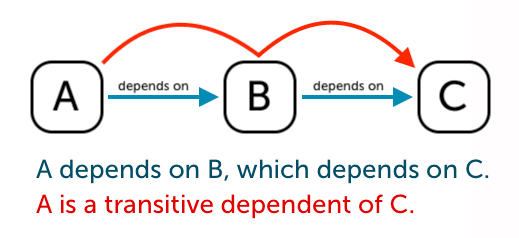
Transitive Dependencies: The Hidden Baggage in Your Code
Think of transitive dependencies as your dependency's dependencies. You add one library, but it pulls in others you didn't explicitly ask for. This happens in any project using a package manager.
Docker Registry: A Library for Your Images
A Docker Registry is like GitHub, but for Docker images. It's a centralized storage system where you push and pull images, enabling sharing and deployment. The biggest footgun is using the :latest tag, which can lead to unpredictable builds.
Semantic Versioning: A Three-Part Numbering System
Semantic Versioning (SemVer) is a widely used convention for assigning software versions. It uses a three-part Major.Minor.Patch number to create unique identifiers for software states.
Package Manifest: Your Project's List of Ingredients
A package manifest is your project's recipe, listing all dependencies and build scripts. Package managers use it to install the right libraries. The footgun is forgetting that the manifest (e.g., package.json) and the lockfile work together for consistency.
We are hiring for this. Every open role lists the topics its interview covers, so you can prepare for the real thing rather than guessing.
See open roles